We Tested 15 Reflect Alternatives. Here are the best 7 Apps
The best Reflect Alternatives are Saner.ai, Obsidian, Logseq, Anytype, Notion, Evernote, and Workflowy


The 7 Best Reflect Alternatives
If you’re searching for Reflect alternatives, you’re probably feeling one of these things right now:
- You love Reflect’s minimalist feel - but you’ve outgrown its simplicity
- You need faster AI, deeper knowledge processing, or a smoother mobile experience
- Or you want a tool that fits a more complex workflow - research, entrepreneurship, or ADHD-friendly daily planning
Reflect Notes is great for quick thoughts and backlink-based journaling, but many users eventually hit its limitations: slow AI innovation, light feature updates, and lack of powerful knowledge processing.
This guide breaks down the best Reflect alternatives in 2025, how they compare, and which one fits your exact workflow.
You’ll find:
- What Reflect Notes does well (and where it struggles)
- What to look for when evaluating Reflect alternatives
- Detailed breakdowns of 7 tools
- A quick comparison table
- Recommendations by use case
- FAQ
What Is Reflect Notes?
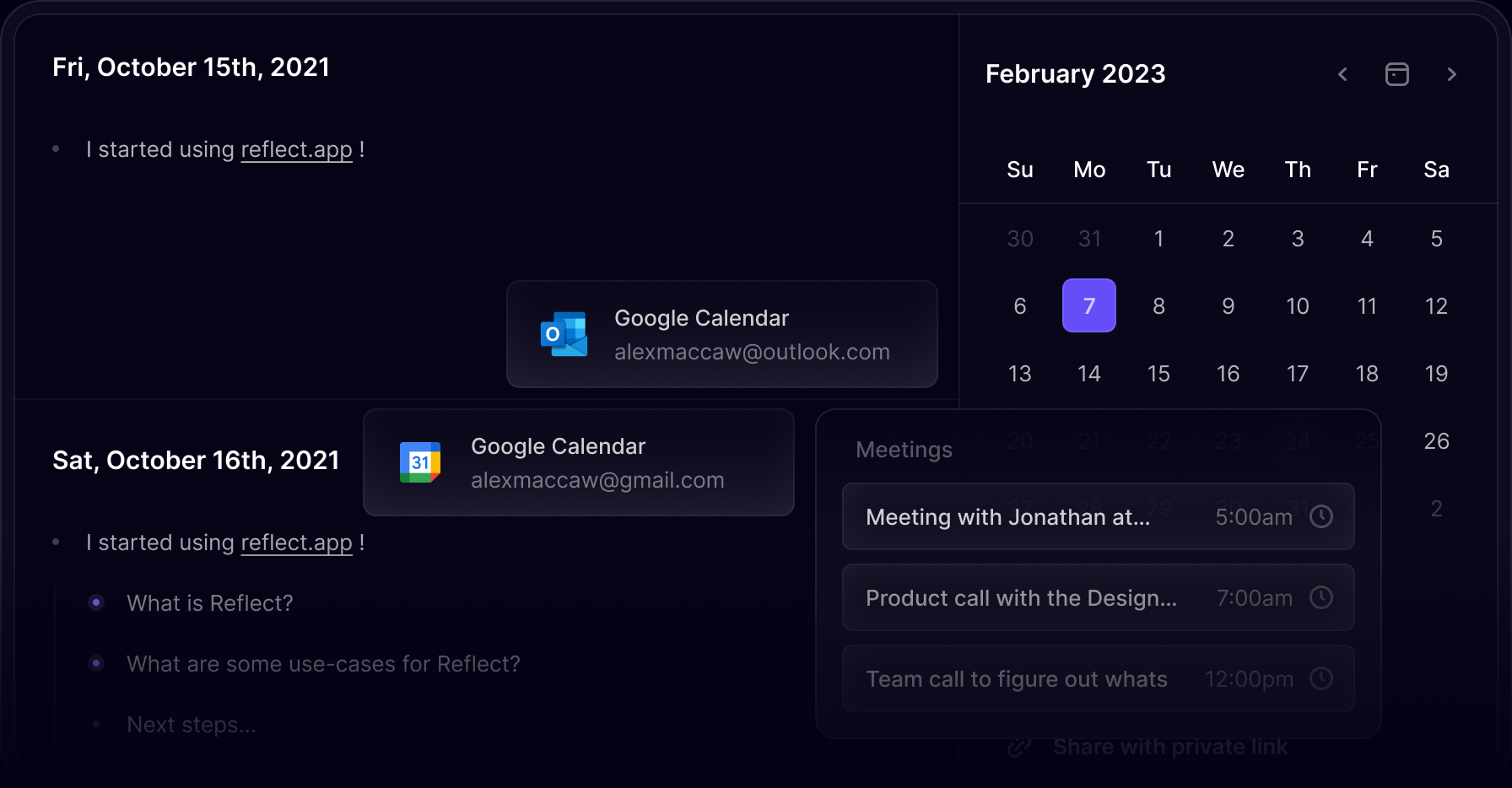
Reflect Notes is a minimalist note-taking app built around daily notes, backlinks, and fast capture. It appeals to users who want a lightweight second brain.
Why People Look for Reflect Alternatives
Users often look for alternatives when they want:
- More powerful AI (summaries, synthesis, long-form reasoning)
- Faster performance
- Better mobile and cross-device sync
- Stronger graph view
- Database support
- More structure for tasks or knowledge management
- Export flexibility and portability
What to Look For in a Reflect Alternative
Here are the must-have criteria to evaluate:
- Speed – Fast loading, instant search, no lag
- AI capabilities – Deep reasoning, synthesis across notes, automatic tagging, idea generation
- Backlinks + graph understanding – For connecting ideas
- Mobile experience – Smooth iOS/Android, offline support
- Knowledge processing – Ability to understand, summarize, and connect notes
- Cross-device sync – Real-time, reliable
- Templates + structure – For tasks, projects, research
- Privacy options – Local-first or encrypted
- Export options – Markdown, PDF, backups
- Ecosystem – Plugins, automations, integrations
Now, let's dive in!
What are the best Reflect Alternatives?
The best Reflect Alternatives are Saner.ai, Obsidian, Logseq, Anytype, Notion, Evernote, and Workflowy
Comparison Table: Best Reflect Alternatives
| Tool | Best For | Key Features | Pricing | Ease of Use | AI Capability | Standout Reason |
|---|---|---|---|---|---|---|
| Saner.ai | Knowledge management | Insight synthesis, smart search | Free/$ | Easy | ⭐⭐⭐⭐⭐ | Deep AI understanding |
| Obsidian | Custom systems | Plugins, graph, markdown | Free/$ | Medium | ⭐⭐ | Full control |
| Logseq | Privacy + outlines | Local-first, graph | Free | Medium | ⭐ | Privacy |
| Anytype | Private databases | Local-first, structured objects | Free/$ | Medium | ⭐⭐ | Privacy + structure |
| Notion | Teams + projects | Databases, templates, AI | Free/$ | Medium | ⭐⭐⭐⭐ | All-in-one workspace |
| Evernote | Quick capture | Web clipper, notebooks | $$ | Easy | ⭐⭐ | Mature ecosystem |
| Workflowy | Minimal outlining | Infinite bullets | Free/$ | Very easy | ⭐ | Simplicity |
| Tana | Advanced research | Supertags, AI ops | $$ | Hard | ⭐⭐⭐⭐ | Automated workflows |
| Roam Research | Graph thinking | Backlinks, outliner | $$ | Medium | ⭐⭐ | Networked thinking |
| Apple Notes | iOS simplicity | Fast capture | Free | Very easy | ⭐ | Built-in convenience |
1. Saner.AI
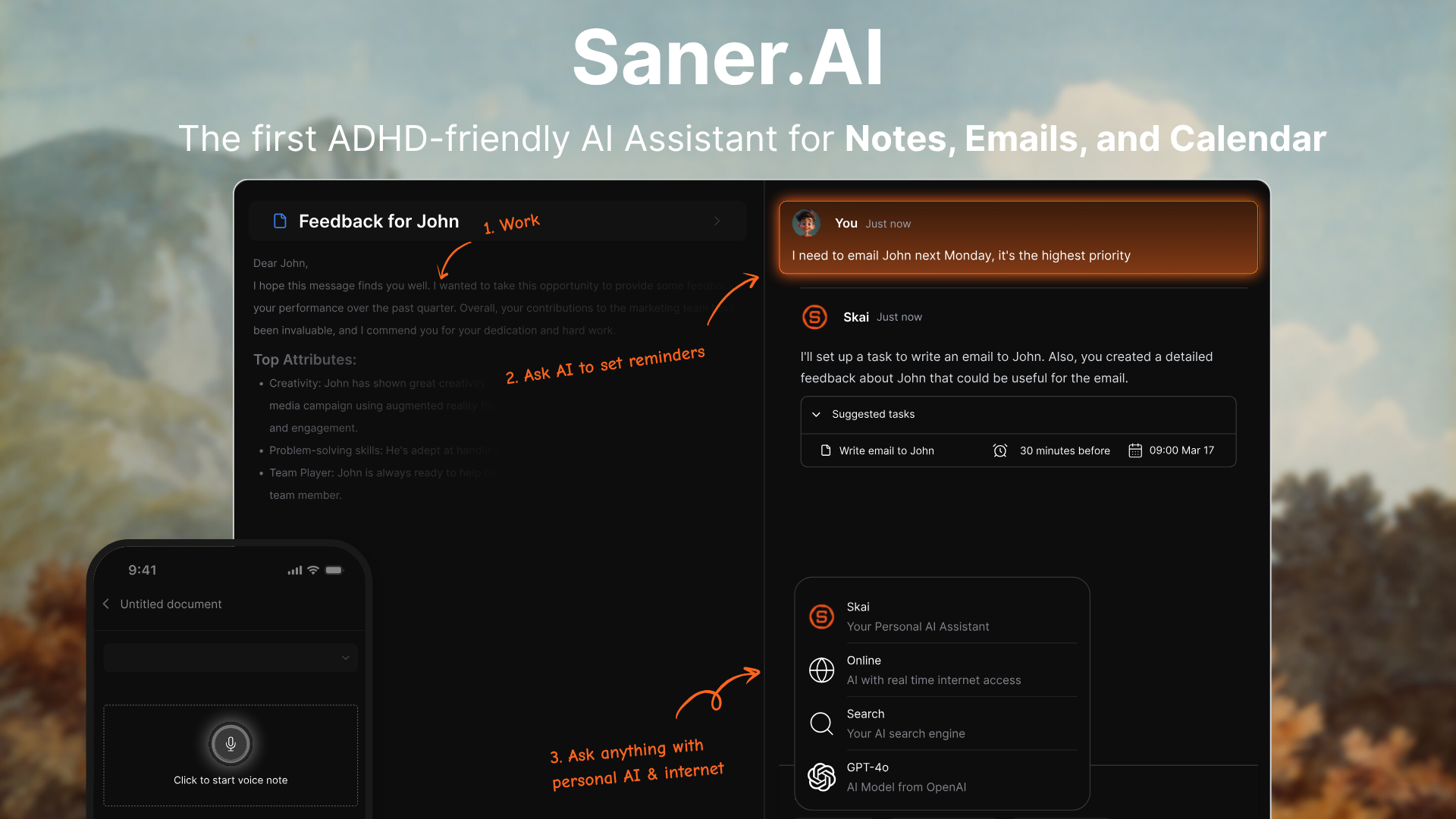
Saner.ai is an AI productivity and knowledge app that helps you organize notes, tasks, and daily planning in one place. It’s often considered one of the strongest Reflect alternatives because it goes beyond journaling and adds intelligent search, task extraction, and AI-assisted organization.
Key features
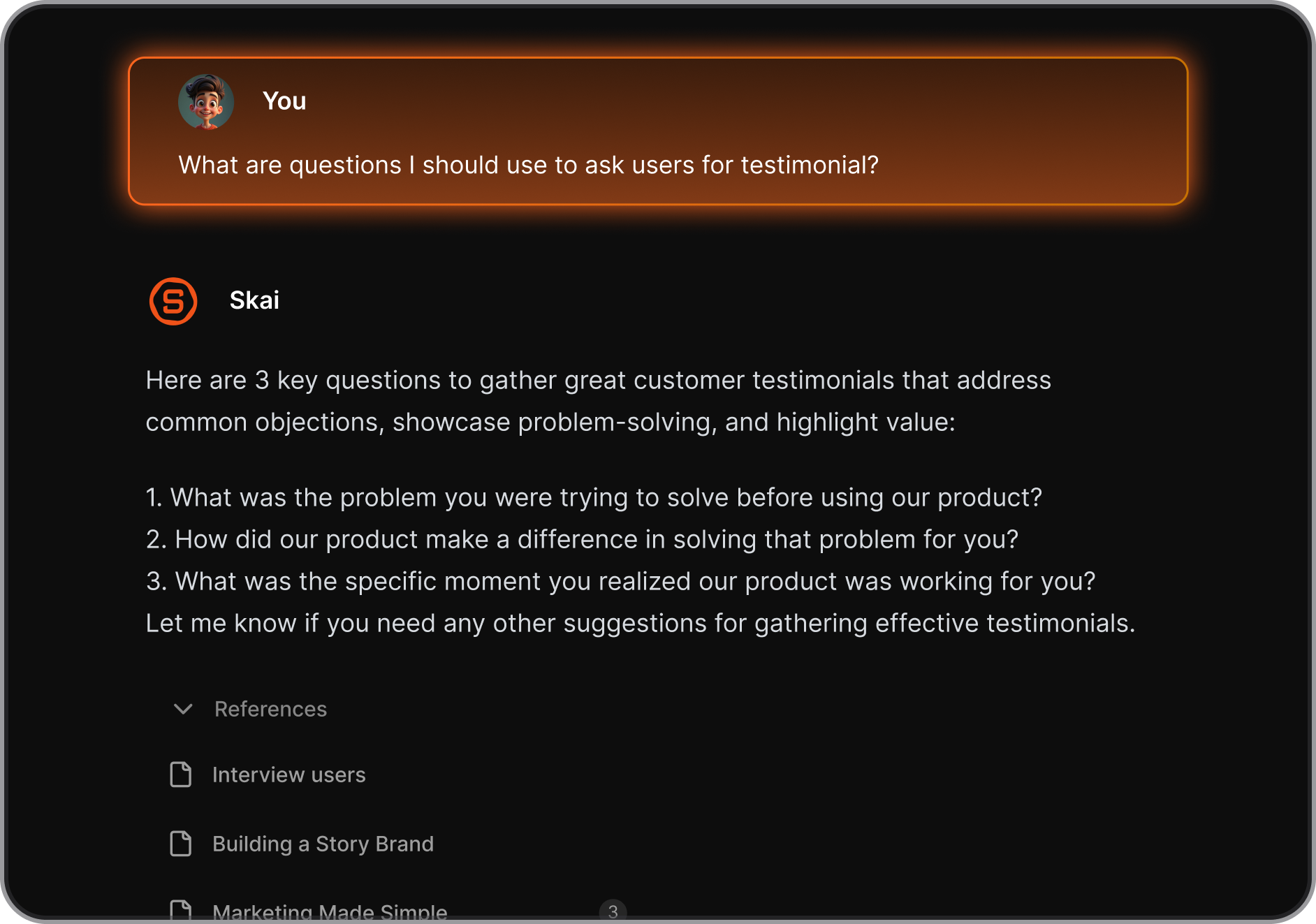
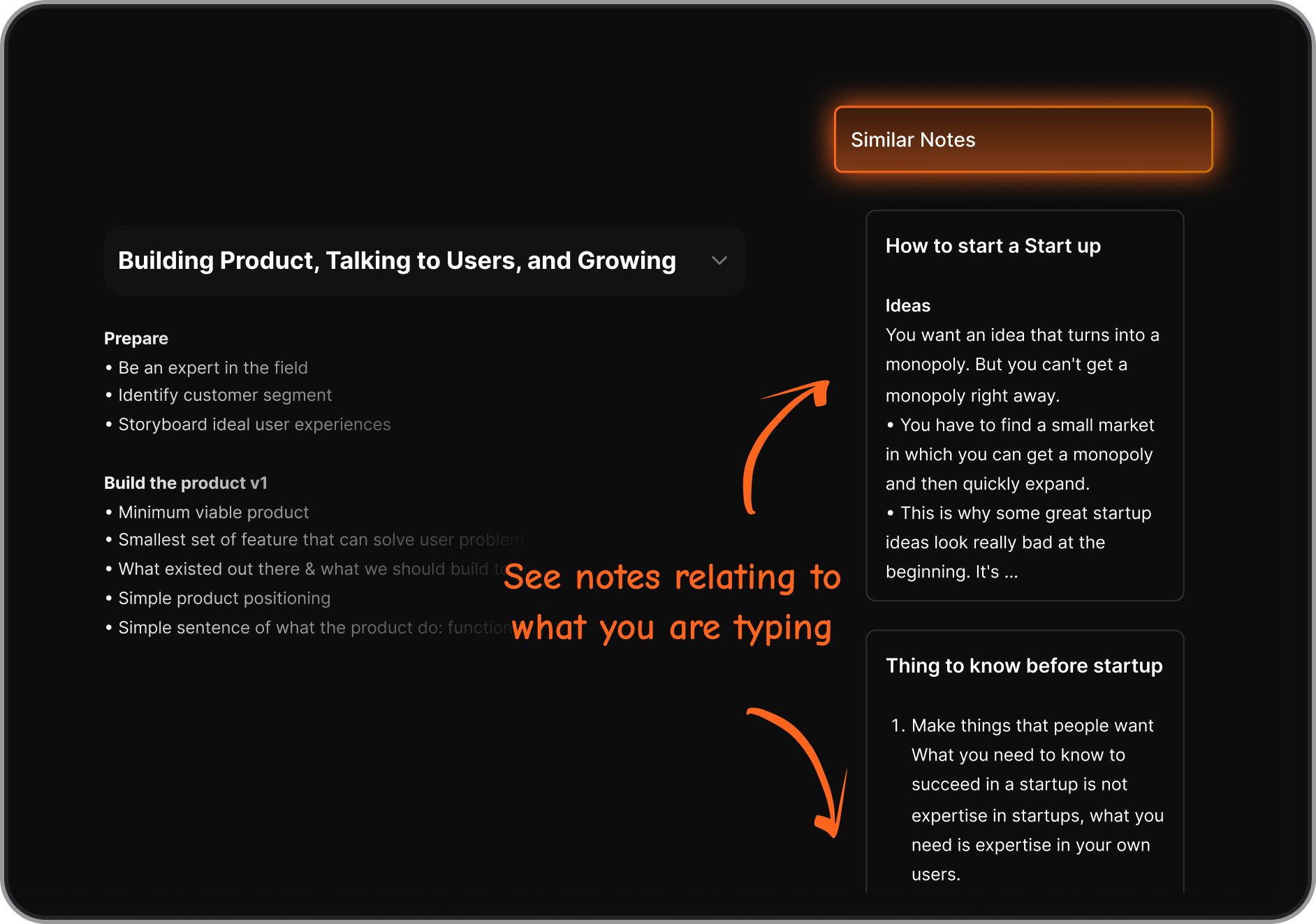
- AI note-taking with semantic search across all your information
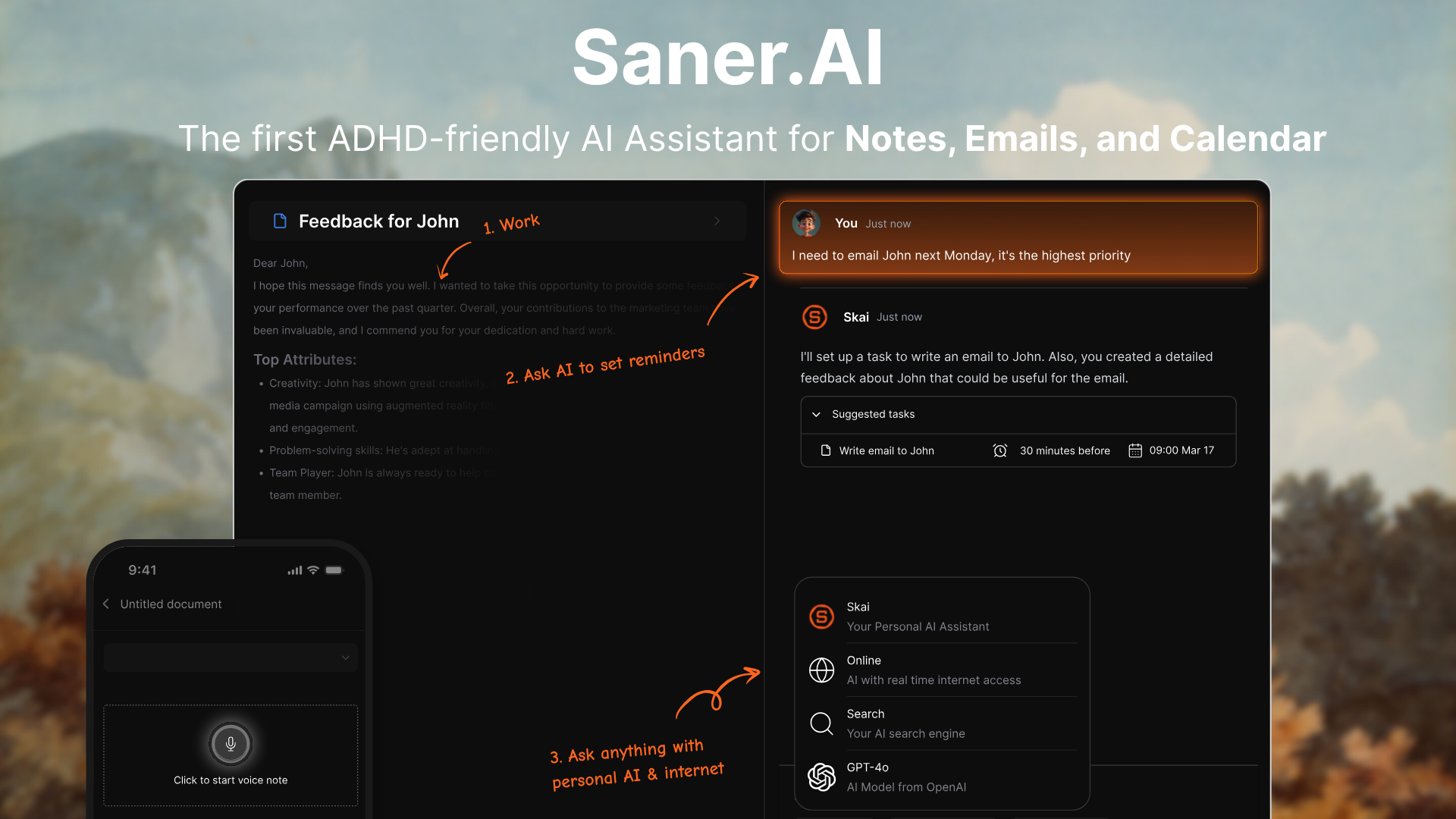
- Built-in AI assistant to help recall, summarize, or reorganize your notes
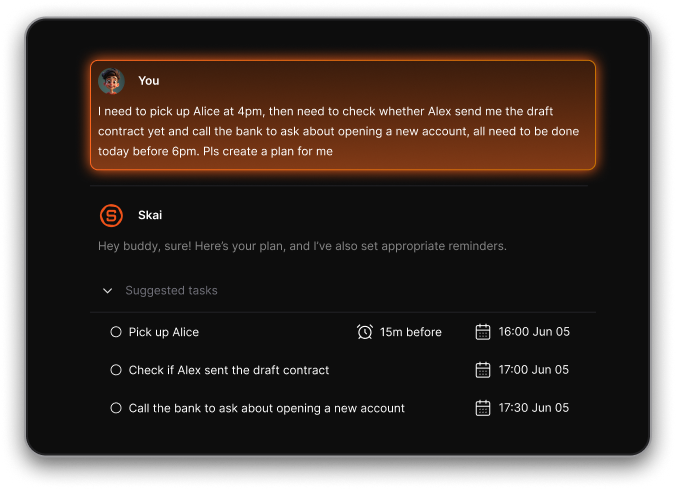
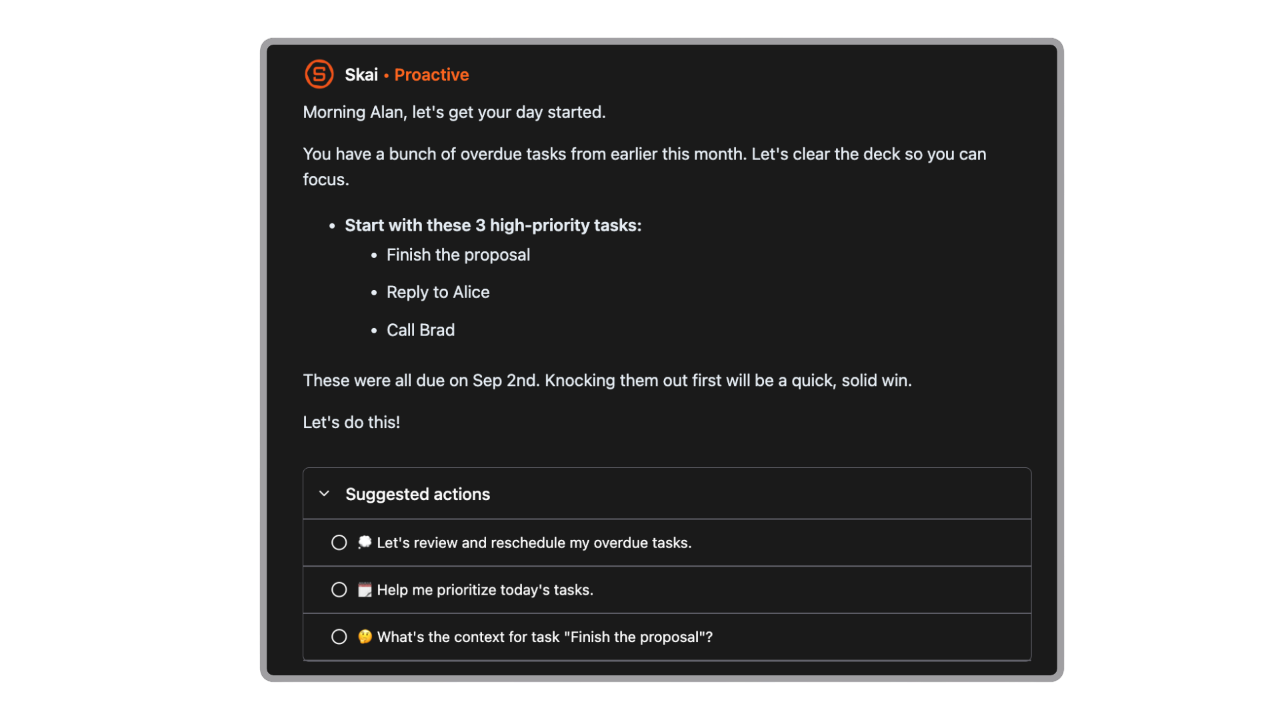
- Automatic task extraction and smart tagging from notes or emails
- Unified workspace for notes, tasks, email, calendar, and documents
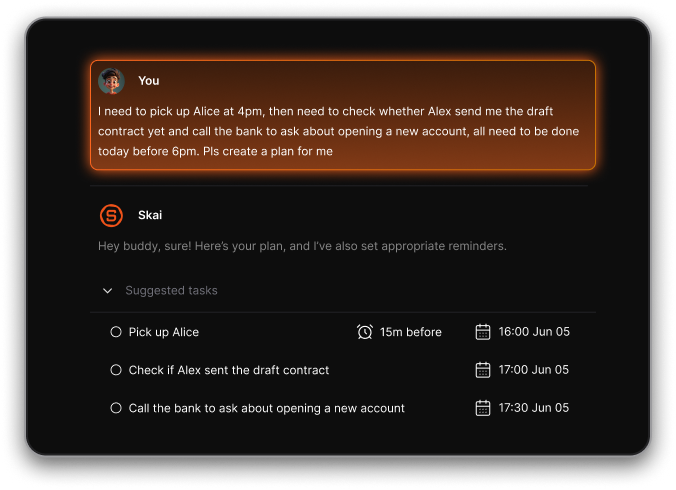
- Braindump to tasks: Just chat and it’ll create structured to-dos with reminders
- Import support for Markdown, PDF, and other note sources
What I liked
- AI-first workflow makes it easy to use your notes, not just store them
- Auto-organization reduces friction and keeps your second brain tidy
- Daily planning combines notes + tasks + calendar in one view
- Minimal setup required compared to complex PKM tools
Cons
- Requires internet access for full functionality.
Pricing
- Free plan available
- Paid plans start around $8/month (annual)
- Higher-tier plans around $16–20/month for full features
Suitable for
- Users wanting a Reflect alternative with stronger organization and planning features
- People building an AI second brain recall and structure
- Students, professionals, and ADHD-prone users needing less context switching
- Anyone who wants notes, tasks, and planning in the same system
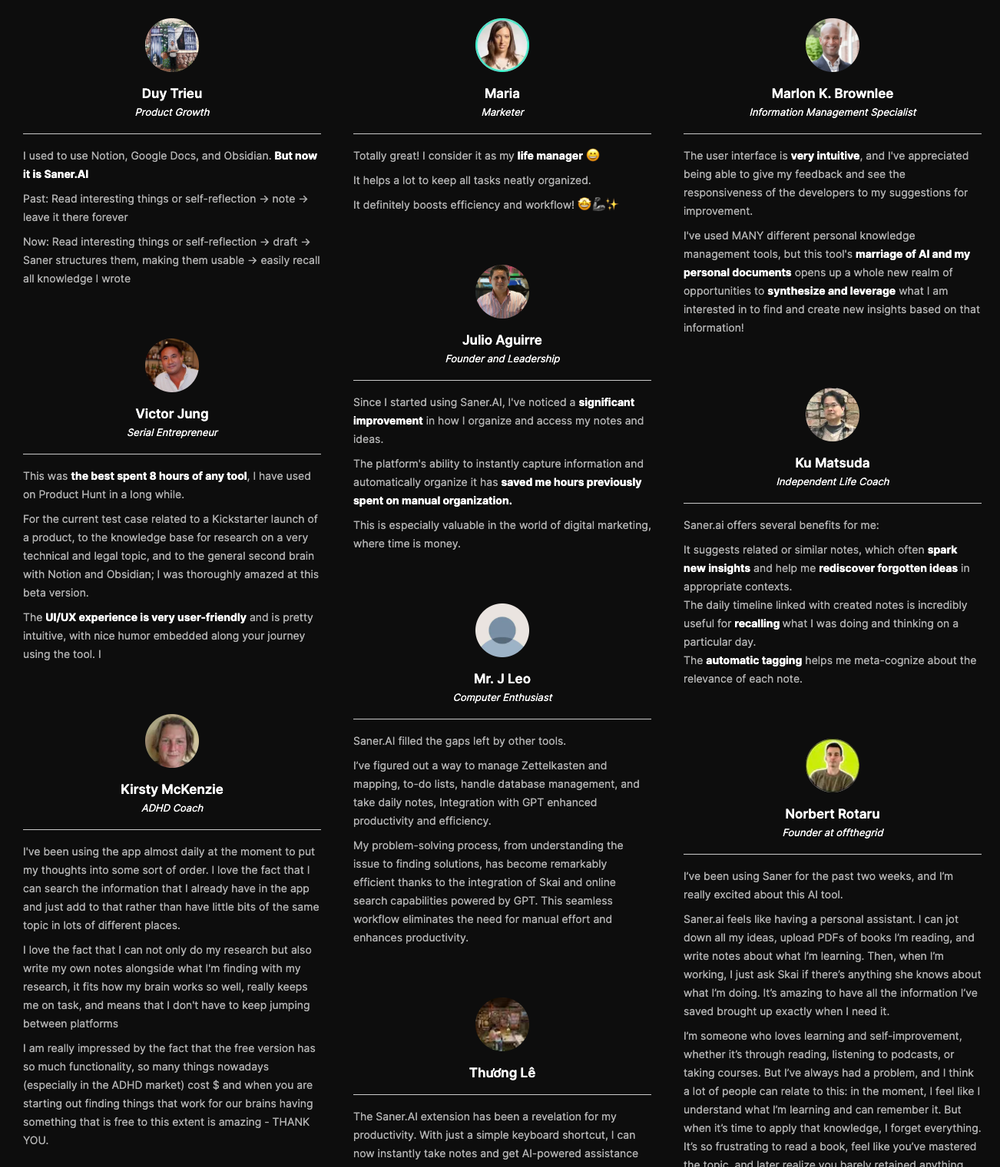
Saner.AI Reviews
How to start
- Go to Saner.AI and create a free account
- Import notes, emails, or documents
- Start using the AI assistant to manage your work
The top Reflect Alternative
2. Notion

Notion is an all-in-one workspace that combines notes, tasks, databases, and knowledge management. As a Reflect alternative, it’s far more customizable and lets you build structured systems for journaling, linked notes, and personal organization.
Key features
- Flexible block-based editor for notes, lists, and rich content
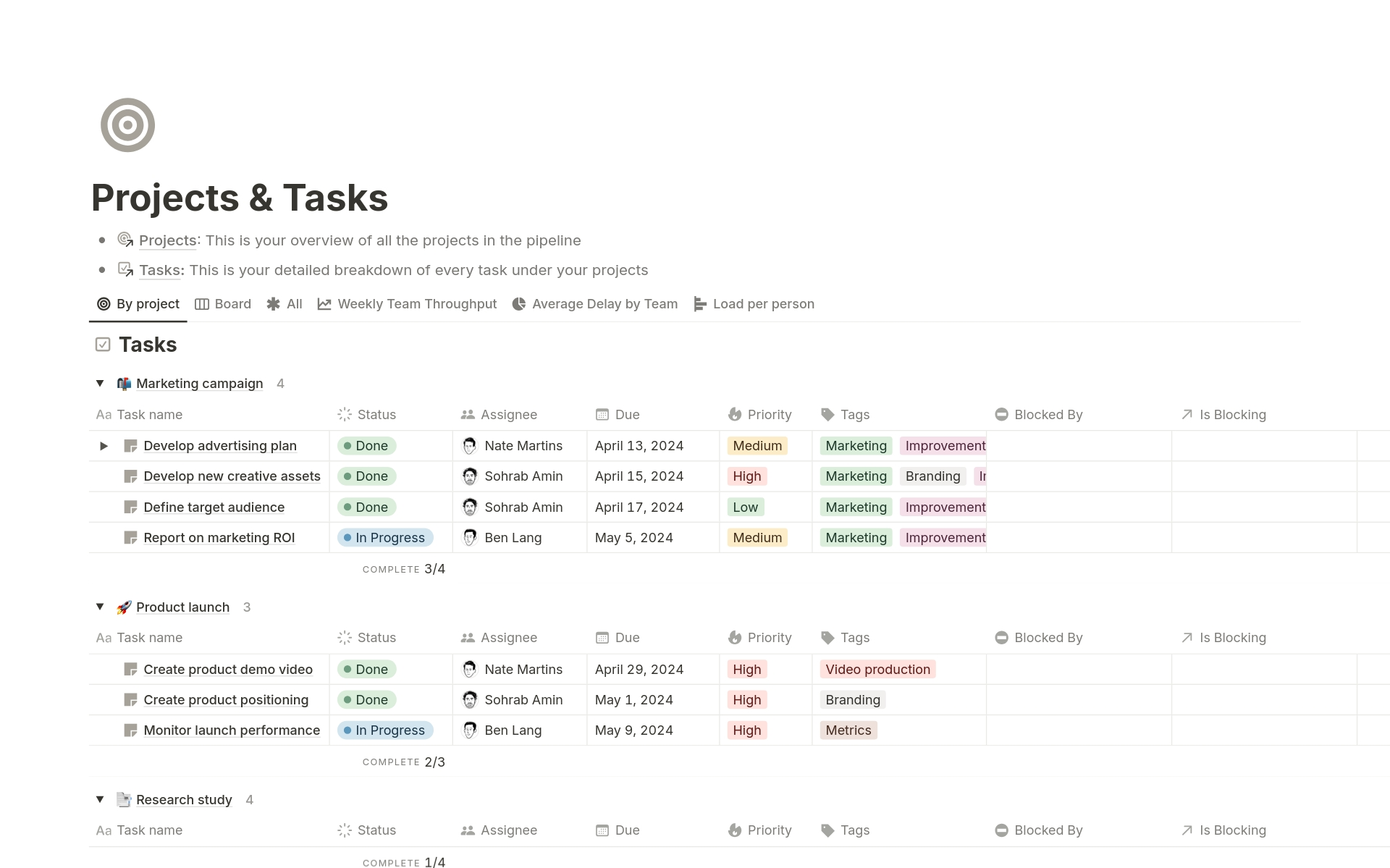
- Custom databases for journals, tasks, knowledge bases, and trackers
- Backlinks and synced content for building a networked “second brain”
- Large library of templates you can adapt to your workflow
What I liked
- Extremely flexible
- Templates save setup time, especially for journaling, planning, and daily notes
- Works across all devices and syncs seamlessly
What I disliked
- The flexibility comes with a learning curve - building a good system takes time
- Not as fast or lightweight as Reflect for quick capture or daily journaling
- Backlinking and graph-style organization require manual setup
- Can feel overwhelming if you only want a simple notes app
Pricing
- Free plan
- Plus plan: $10/user/month (billed annually)
- Business plan: $20/user/month (billed annually)
Suitable for:
- Users who want a customizable alternative to Reflect with more structure and features
- People building a second brain, personal wiki, or life-management system
How to start:
- Go to Notion and create a free account
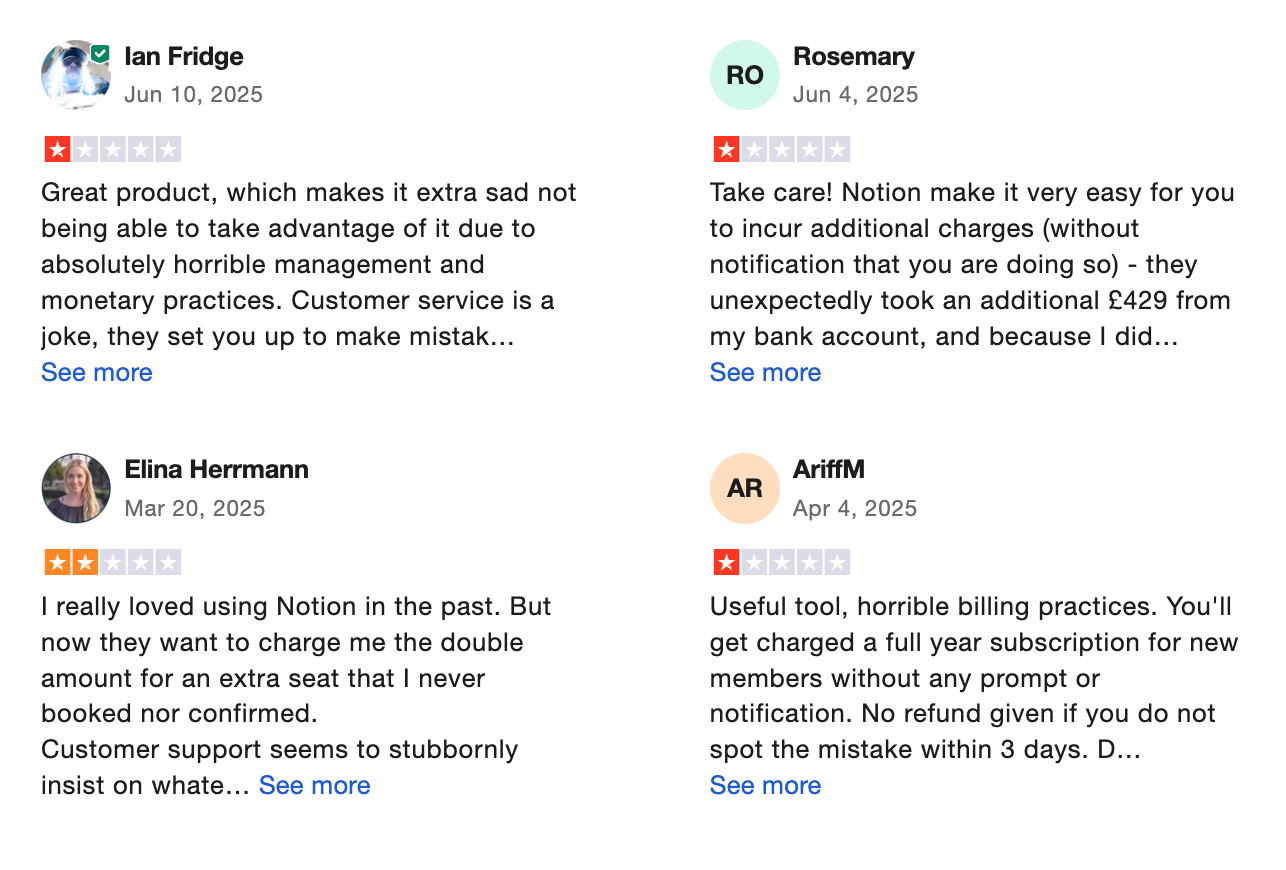
Notion reviews (source)
3. Logseq
Logseq is a free, open-source note-taking and knowledge-management app built around outlines, backlinks, and local-first storage. It’s one of the best Reflect alternatives if you want more flexibility, custom workflows, and full data ownership.
Key features
- Open-source, privacy-first architecture with all notes stored locally in Markdown or Org-mode
- Block-based outliner for structured thinking and fast note capture
- Bidirectional links and a graph view to connect ideas across your knowledge base
- Daily journaling, tasks, and project management built into the workflow
What I liked
- Completely free and open-source
- Backlinks + graph view make it easy to build a long-term, interconnected second brain
What I disliked
- Steeper learning curve, especially compared with Reflect’s clean, guided UX
- Sync and collaboration aren’t as seamless as cloud-native apps
- Interface can feel less polished than modern minimalist note apps
- No AI Assistant
Pricing
- Free and open-source
- Optional paid Logseq Sync (currently in beta)
Suitable for
- Users building a second brain with deep linking, structure, and long-term knowledge storage
- Researchers, students, writers, and thinkers who want a networked-note approach
How to start
- Download Logseq from the official site
- Create a new graph to store your notes
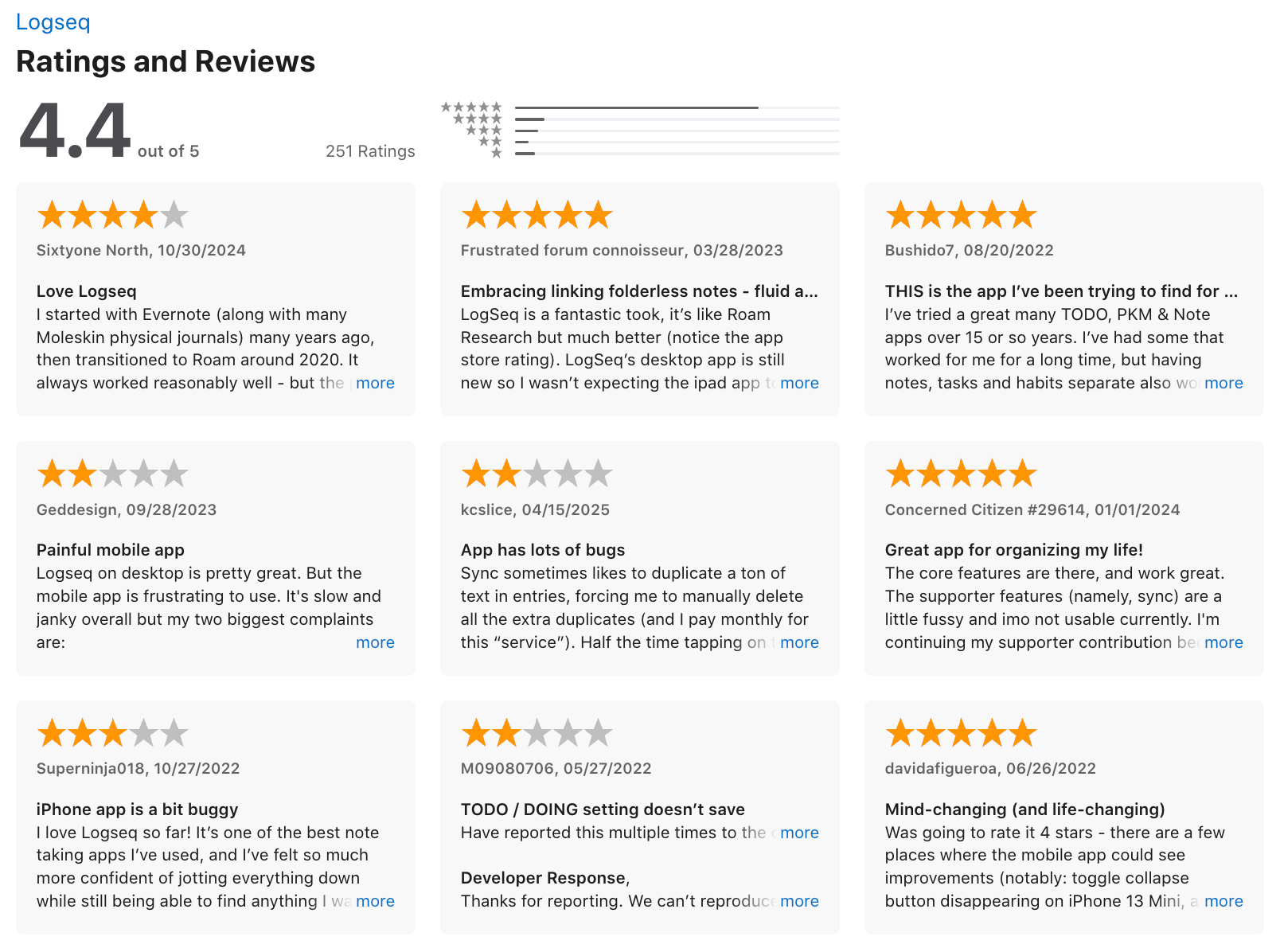
Logseq review (source)
4. Workflowy
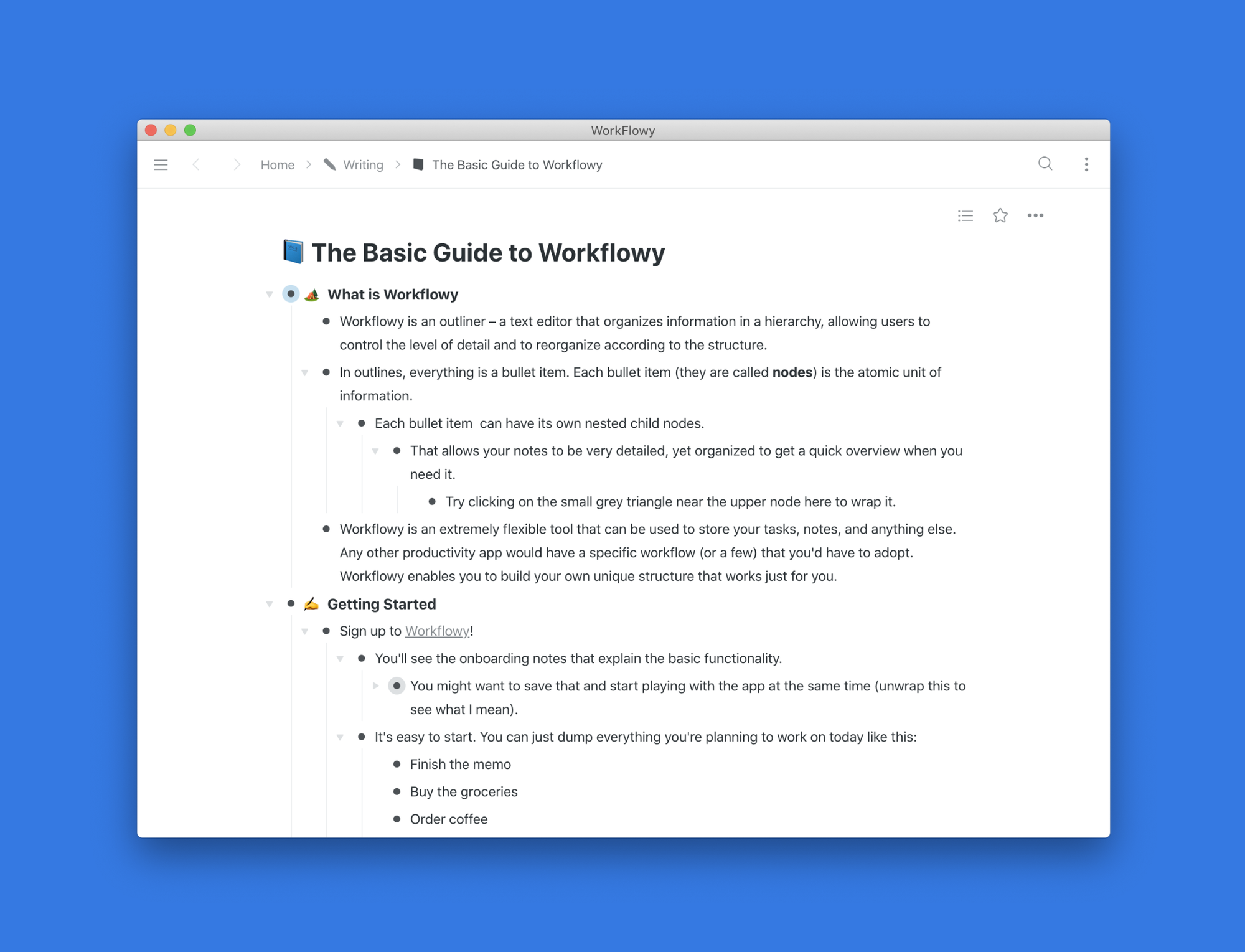
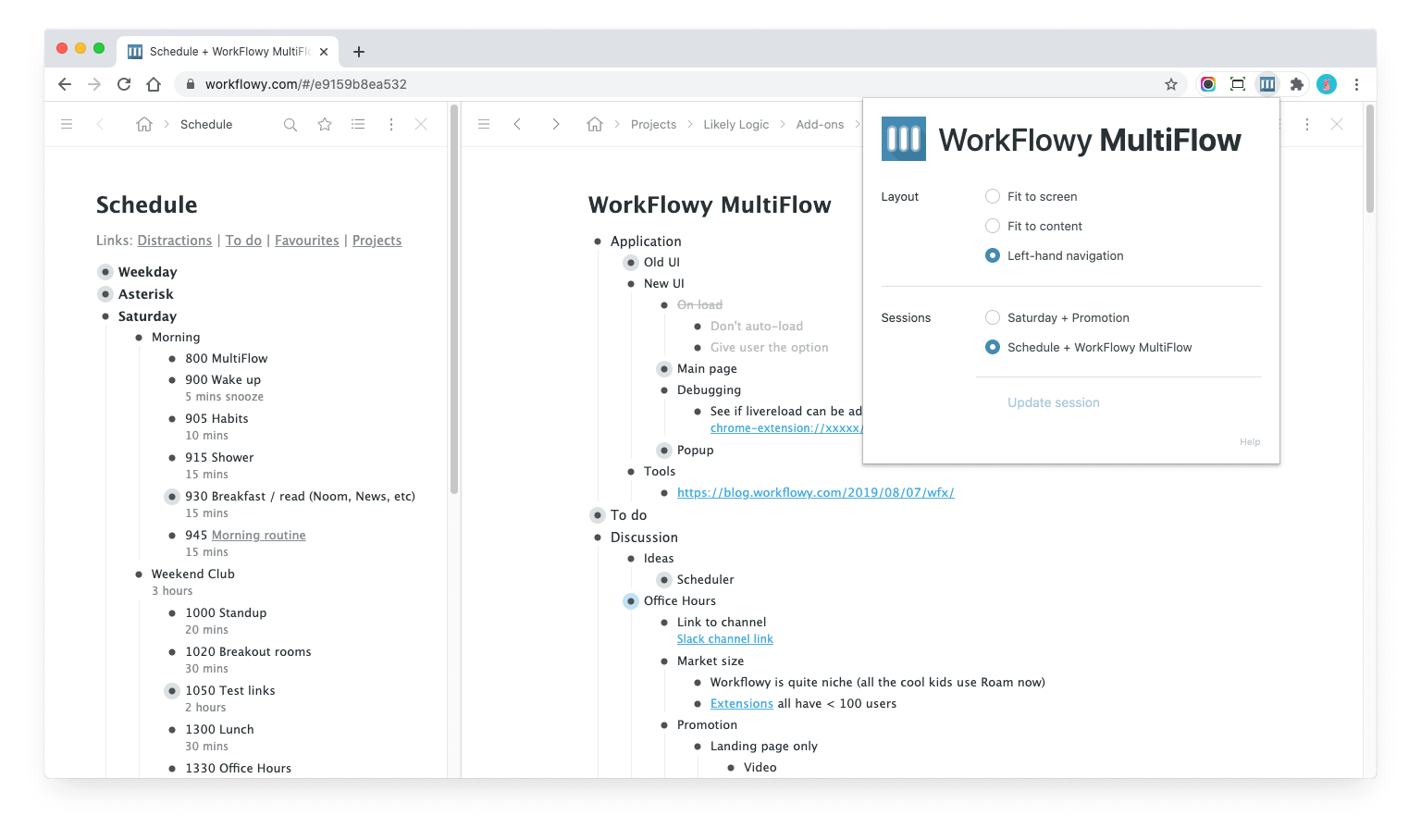
Workflowy is an outline-first productivity app that lets you organize notes, ideas, and tasks using infinitely nested bullet points. It’s a clean, fast alternative to Reflect if you prefer structure over daily-notes-style journaling.
Key features
- Infinite nested lists you can expand, collapse, and zoom into
- Fast capture with drag-and-drop reordering
- Kanban view and mirrored bullets (live copies)
- Global search and simple tagging
What I liked:
- Extremely beginner-friendly
- Infinite nesting makes it easy to manage everything from simple to-dos to deep research outlines
- Kanban boards and mirrored bullets make it more flexible than a plain outliner
What I disliked:
- The free plan has monthly item limits, which can feel restrictive
- Limited integrations - no email, calendar, or AI assistant features
- Minimal interface may feel too bare if you prefer backlinking or graph views
Pricing:
- Free plan with monthly bullet limits
- Pro plan around $6.99/month with unlimited bullets and uploads
Suitable for:
- People who think naturally in bullet points or outlines
- Users who want a minimalist, distraction-free note system
- Writers, students, researchers, planners
How to start:
- Go to Workflowy
- Create a free account
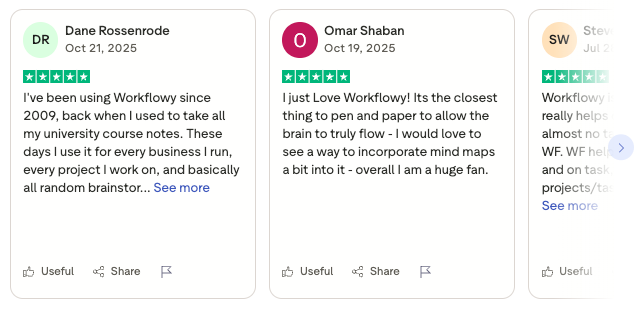
Workflowy Reviews (Source)
5. Evernote
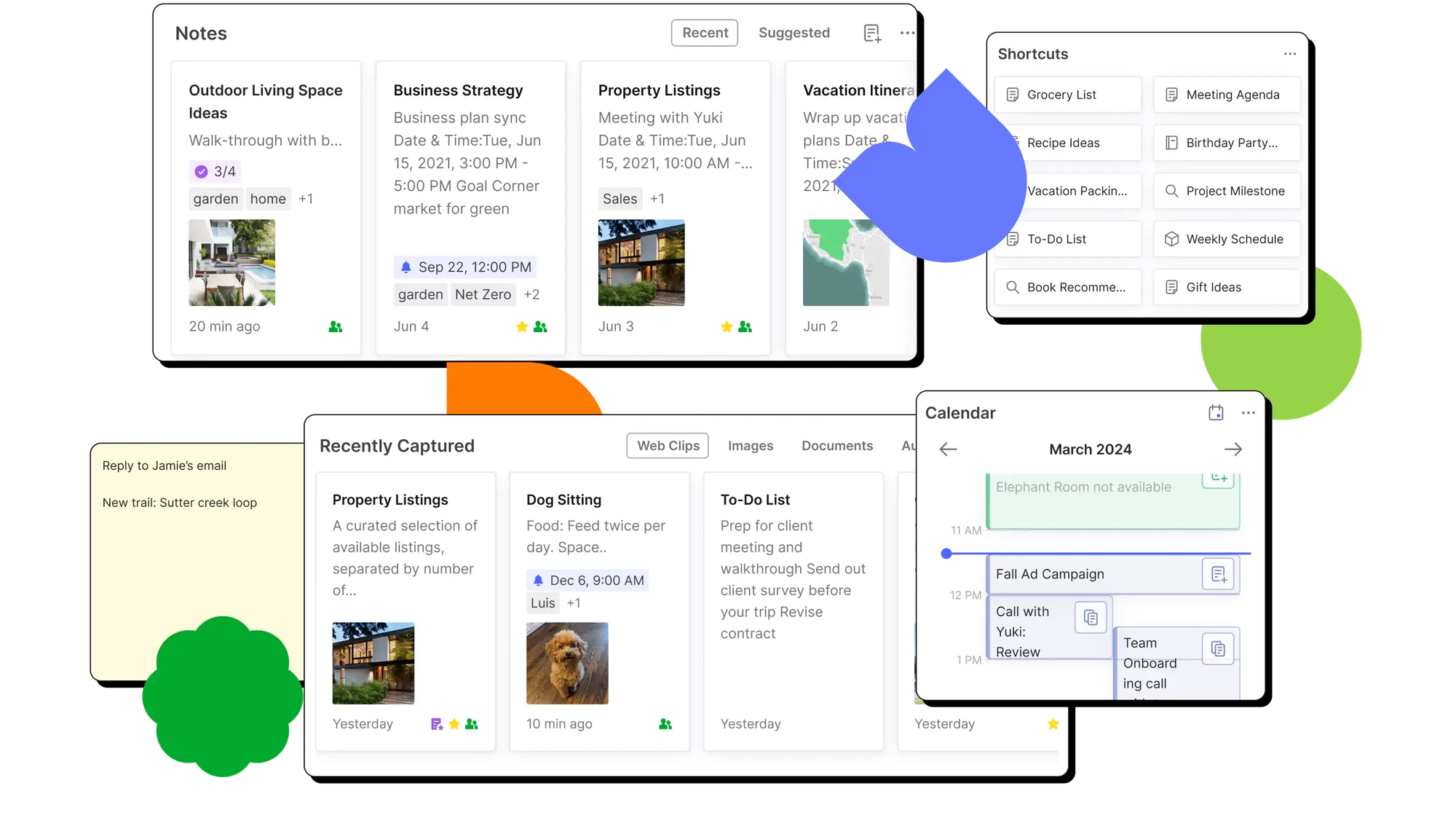
Evernote is a mature note-taking and organization app. It works well as a Reflect alternative if you want a stronger search, more structure that goes beyond simple journaling.
Key features
- Natural-language and semantic search that makes old notes easy to resurface
- Meeting tools: audio recording, AI transcription, and automatic summaries
- A large templates gallery for meetings, projects, journals, and workflows
- Web clipper for saving pages, PDFs, and screenshots
What I liked
- Templates help you create structured notes without starting from scratch
What I disliked
- Can feel heavier than minimalist apps like Reflect due to extra modules (tasks, calendar, AI)
- The free plan is limited for power users
- Less flexible for people who prefer bi-directional linking or graph-based PKM
- Some AI features and collaboration tools require paid tiers
Pricing
- Free plan with limited features
- Paid plans (Personal / Professional) with higher upload limits and full AI features
- Prices vary by region
Suitable for
- People who want a reliable Reflect alternative with traditional search and more structure
- Teams that need shared notebooks and centralized documentation
How to start
- Go to Evernote
- Create a free account
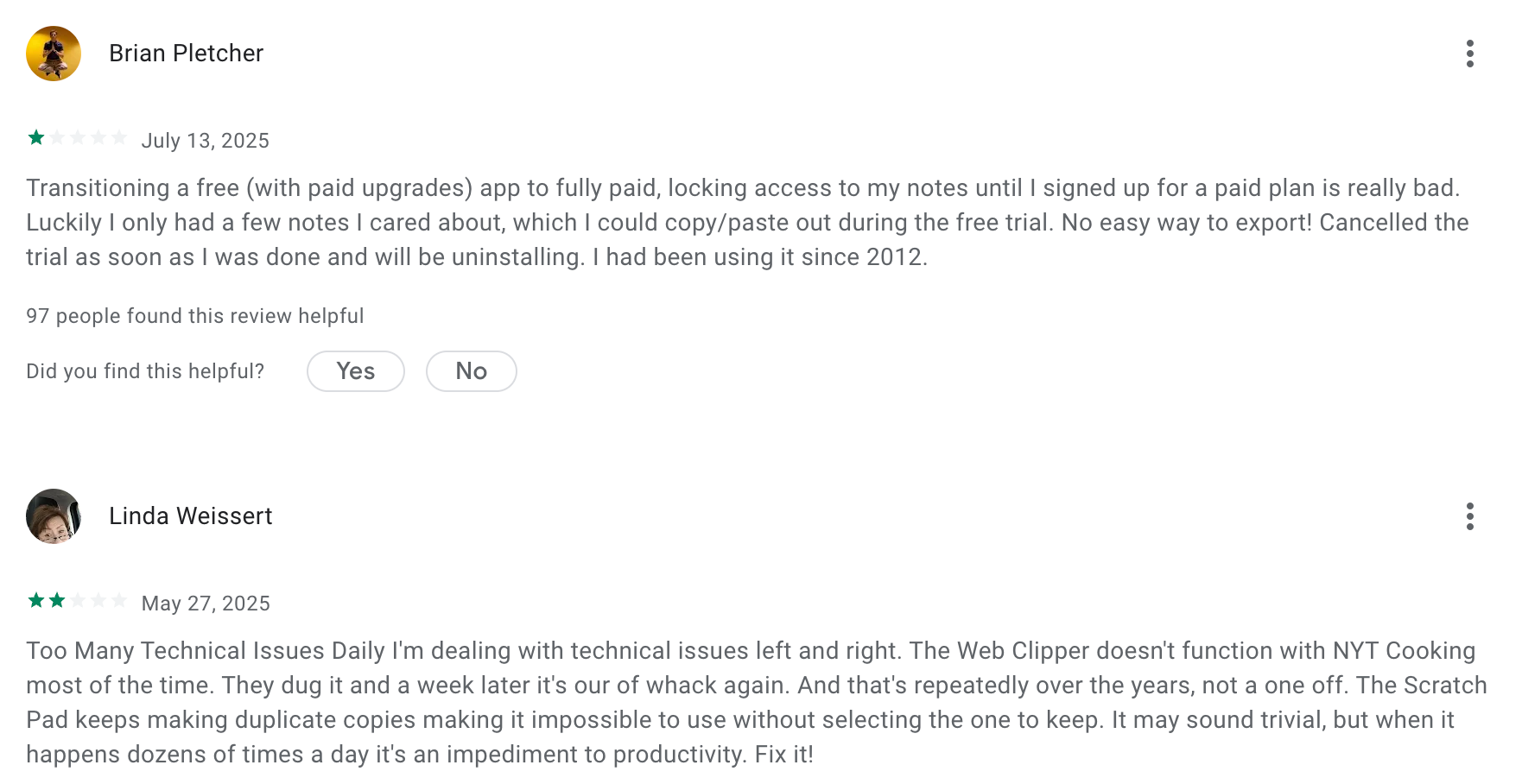
Evernote reviews (source)
6. Anytype
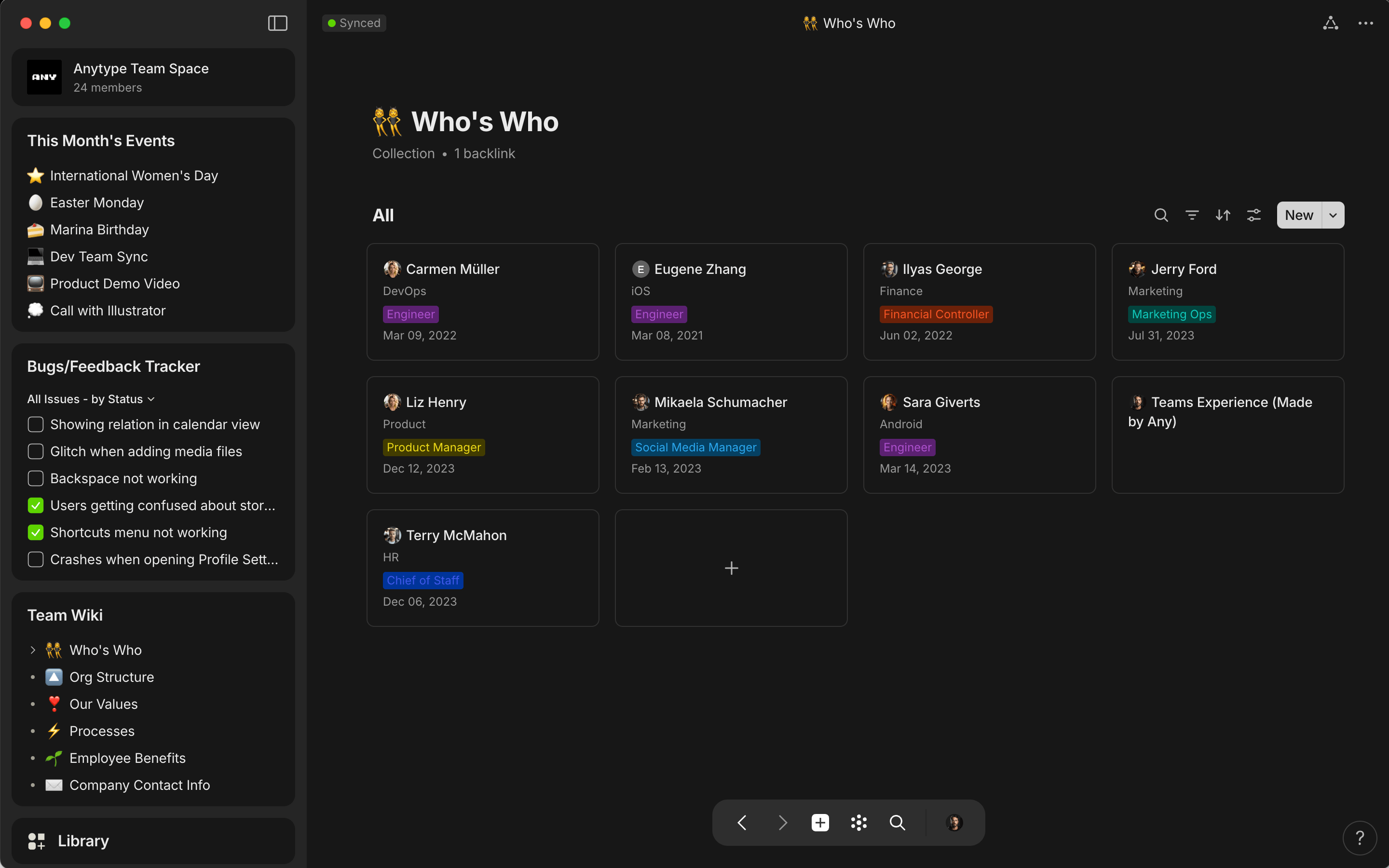
Anytype is a privacy-first, local-first note-taking and knowledge management app that gives you full control over your data while letting you build interconnected notes, tasks, and databases. It’s often considered a strong Reflect alternative because it combines fast local editing with deep linking and flexible structure.
Key features
- Local-first storage with end-to-end encryption
- Peer-to-peer sync instead of cloud servers
- Object-based structure that links notes, tasks, and databases
- Fully offline editing
What I liked
- Flexible PKM structure great for second-brain setups
- Offline support is reliable and fast
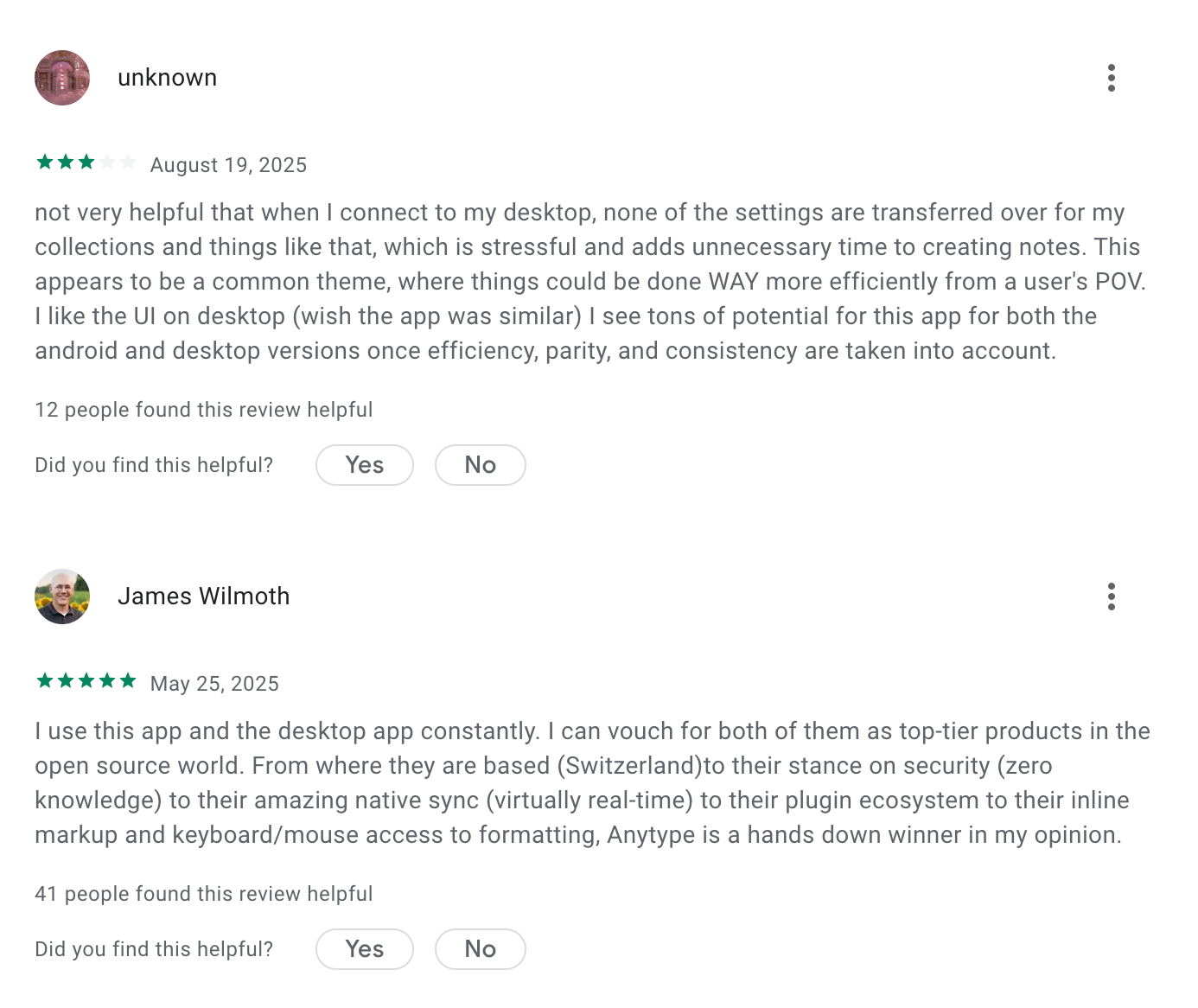
- Open-source ecosystem and active community
What I disliked
- Steeper learning curve than Reflect’s simpler UI
- Limited or no AI assistant
- Collaboration is still early and not fully real-time
Pricing
- Free plan with core features included
- Plus plan ranges from $5 - $20/month
Suitable for
- Users who want full data control and end-to-end encryption
- People building a second brain with deep linking
- Solo professionals who prefer offline or local-first workflows
Anytype review (source)
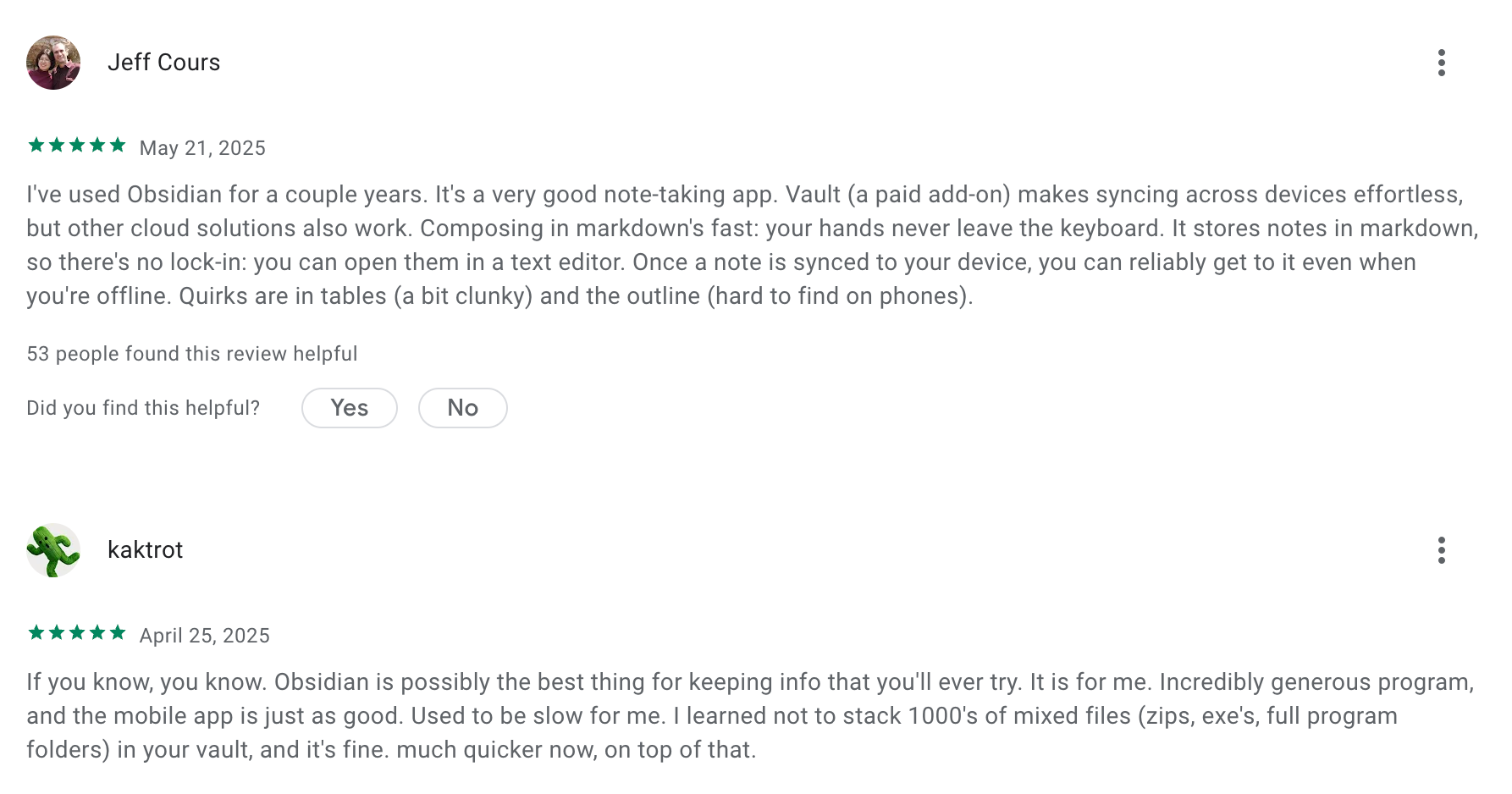
7. Obsidian
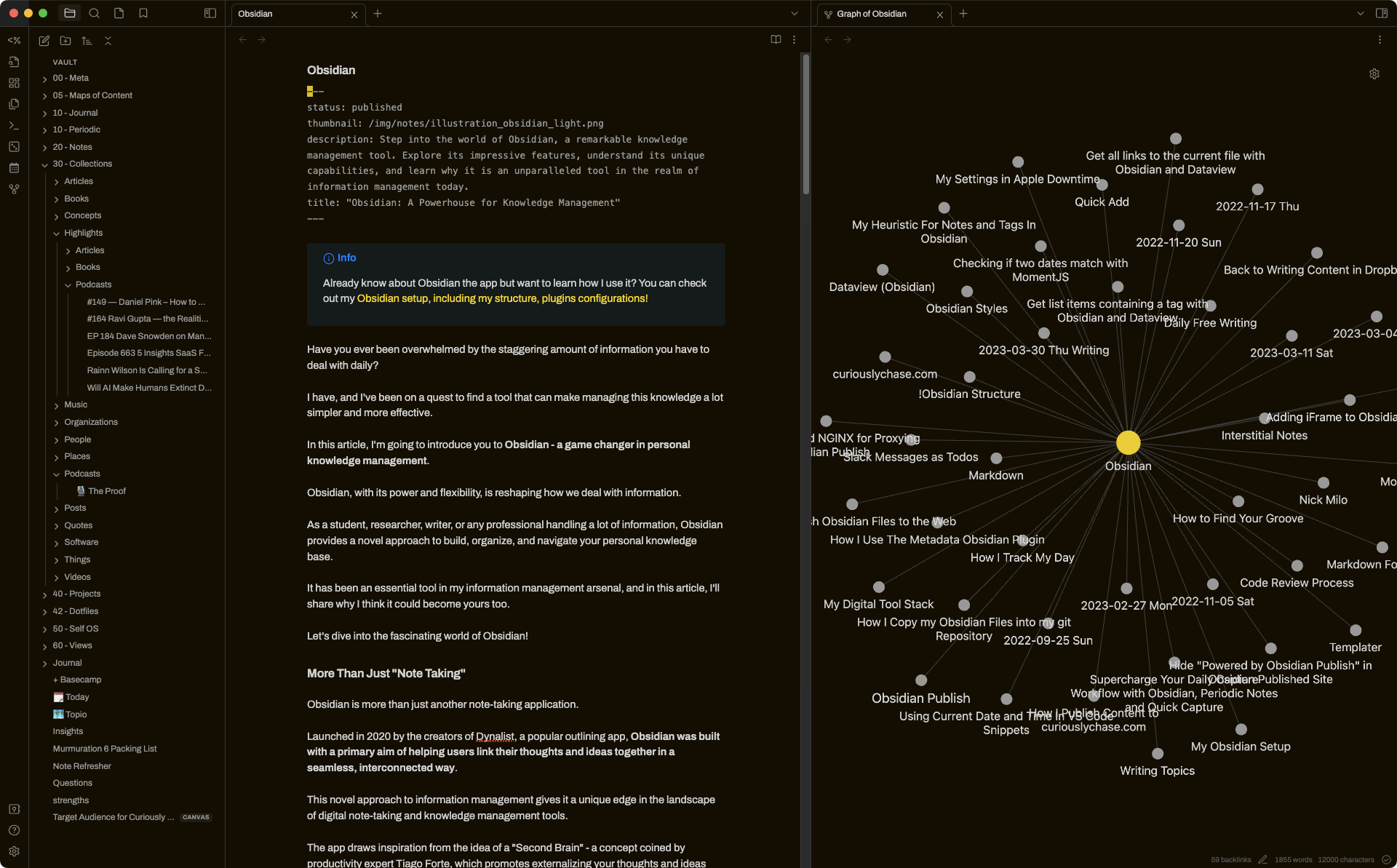
Obsidian is a markdown-based note-taking app that gives you full control over your data and lets you build a connected “second brain.” It’s one of the best Reflect alternatives if you want deeper customization, stronger linking, and a more flexible knowledge base.
Key features
- Local-first markdown editor
- Bi-directional links and a visual graph view
- Cross-platform apps on desktop & mobile
- Large ecosystem of community + core plugins
What I liked:
- Local file storage means you fully own your notes
- Plugins unlock advanced workflows (research, tasks, calendars, automation)
- Backlinks + graph view are great for connecting ideas and long-term thinking
What I disliked
- Requires more setup compared to simple apps like Reflect
- Learning curve can feel steep for beginners
- There are no native task reminders
- Don't have an AI assistant built in
Pricing
- Free plan with all core features
- Sync plan: $5/month
- Sync + Publish plan: $10/month
Suitable for:
- People who want a deeply customizable knowledge system
- Writers, researchers, students, and knowledge workers
How to start:
- Go to Obsidian
- Download the app
- Create a new vault and start writing
Obsidian review (source)
Conclusion: Choosing the Right Reflect Alternative for Your Workflow
Reflect Notes is a beautifully simple tool - and that’s exactly why many people eventually start exploring alternatives. As your work gets more complex, you need more than a place to dump notes. You need speed, clarity, AI-powered thinking, and a workspace that adapts to how you process information.
The good news: there’s no “one best” Reflect alternative. There’s only the one that fits your brain, your workflow, and your goals.
- If you want deep insight synthesis, go with Saner.ai.
- If you want total control and privacy, choose Obsidian or Logseq.
- If you want structured organization, Notion or Anytype win.
- If you want simplicity and focus, Workflowy or Apple Notes feel natural.
The right app is the one that makes thinking easier, not harder. Try a few, trust the one that feels frictionless, and build a system that evolves with you - not against you.
When your tools support the way your mind works, you don’t just take better notes.
You think better, create better, and work better.
Stay on top of your work and life
FAQ: Best Reflect Alternatives (2026 Guide)
1. What are the best Reflect alternatives in 2026?
If you love the idea of networked thinking but want more speed, stability, or flexibility than Reflect offers, several tools stand out:
- Saner.ai – AI workspace for notes, tasks, and reminders
- Obsidian – Markdown vault with deep customization
- Logseq – Open-source, local-first outliner
- Anytype – Encrypted, offline-friendly Notion alternative
- Notion – Highly customizable all-in-one workspace
- Evernote – Classic note app with cross-platform sync
- Workflowy – Minimal outliner for fast idea capture
These tools cover a wide range of workflows - from ADHD-friendly second brains to enterprise-level documentation and AI note retrieval.
2. Why do people look for Reflect alternatives?
Common reasons users search for alternatives include:
- Wanting faster performance than Reflect’s graph-based structure
- Needing more AI retrieval, task management, or daily planning
- Preferring local storage, privacy-first apps, or offline access
- Wanting better mobile experiences or more stable sync
- Seeking more customization, templates, or plugin support
Most alternatives provide broader ecosystems, smoother workflows, or AI features Reflect doesn’t natively support.
3. Which Reflect alternative is closest in workflow and philosophy?
If you love Reflect’s daily notes + backlinking + simplicity:
- Logseq – Very similar outliner structure, local-first, fast backlinking
- Workflowy – Simple, frictionless outliner
- Obsidian – More powerful, still retains the “daily hub + links” model
These tools mirror Reflect’s fluid thinking style while offering more speed and control.
4. What’s the best Reflect alternative for AI workflows?
If AI is a priority, Saner.ai stands out. It can:
- Understand messy notes
- Turn thoughts into tasks automatically
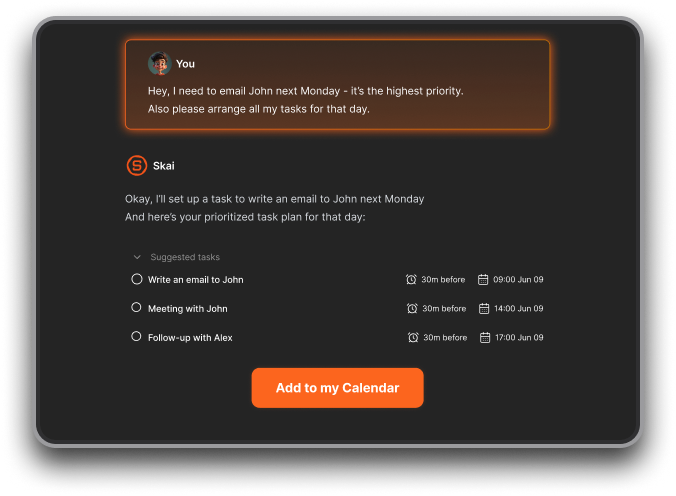
- Remind you at the right time
- Connect notes, tasks, and calendar
- Surface relevant information when you need it
It’s built for people who want a second brain that actually helps you follow through, not just store information.
5. What’s the best Reflect alternative for ADHD?
Top picks for ADHD-friendly workflows:
- Saner.ai – Reduces context switching, turns brain dumps into tasks, nudges follow-ups
- Workflowy – Extremely simple and calming interface
- Obsidian – Great for visual thinkers using Canvas, plugins, and backlinks
Reflect users with ADHD often prefer tools that are easier to revisit, faster to search, and less rigid in structure.
6. What’s the best free Reflect alternative?
Many great options are free or have generous plans:
- Logseq – Completely free + open source
- Obsidian – Free for personal use
- Workflowy – Free with basic limits
- Saner.ai – Free plan includes AI search, task reminders, and calendar sync
If you want power without cost, Logseq and Obsidian are the strongest replacements.
7. Which Reflect alternative is best for privacy?
For privacy-first or local-first workflows:
- Logseq – Fully local, open source
- Obsidian – Local-first with optional sync
- Anytype – Encrypted, offline-friendly
These tools keep your data on your device unless you choose otherwise.
8. Which Reflect alternative is best for work and team collaboration?
If you want more than solo note-taking:
- Notion – Best for teams, documentation, wikis
- Saner.ai – Great for individual planning that integrates with work calendars
- Evernote – Strong for shared notebooks and quick info collection
Reflect is personal-first; these tools scale better for both solo and team work.
9. Which Reflect alternative is best for journaling + daily notes?
If Daily Notes is your main workflow:
- Saner.AI – Generates daily notes automatically
- Workflowy – Great for linear thinking
- Obsidian – Excellent Daily Notes templates and plugins
These provide the same “write today → link back later” flow Reflect users love.
10. Which Reflect alternative is best for research and long-form writing?
Best options for heavy research:
- Obsidian – Plugins for citations, graph view, PKM workflows
- Notion – Databases, structured content, templates
- Anytype – Local, structured objects for organizing large topics
Reflect is simple; alternatives like Obsidian offer deeper thinking tools.
11. Which Reflect alternative is best for mobile-first users?
If you primarily take notes on your phone:
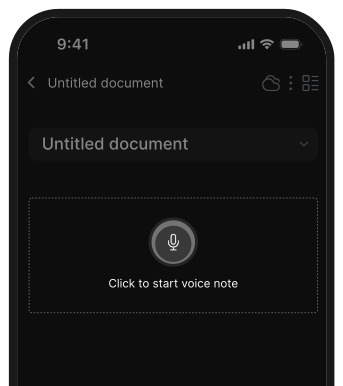
- Saner.ai – Fast capture, voice-to-task, on-the-go reminders
- Notion – Strong mobile interface
- Evernote – Designed for cross-platform consistency
Reflect’s mobile performance is a common pain point for switchers.
12. Which Reflect alternative has the fastest search?
Fastest, most forgiving search experiences:
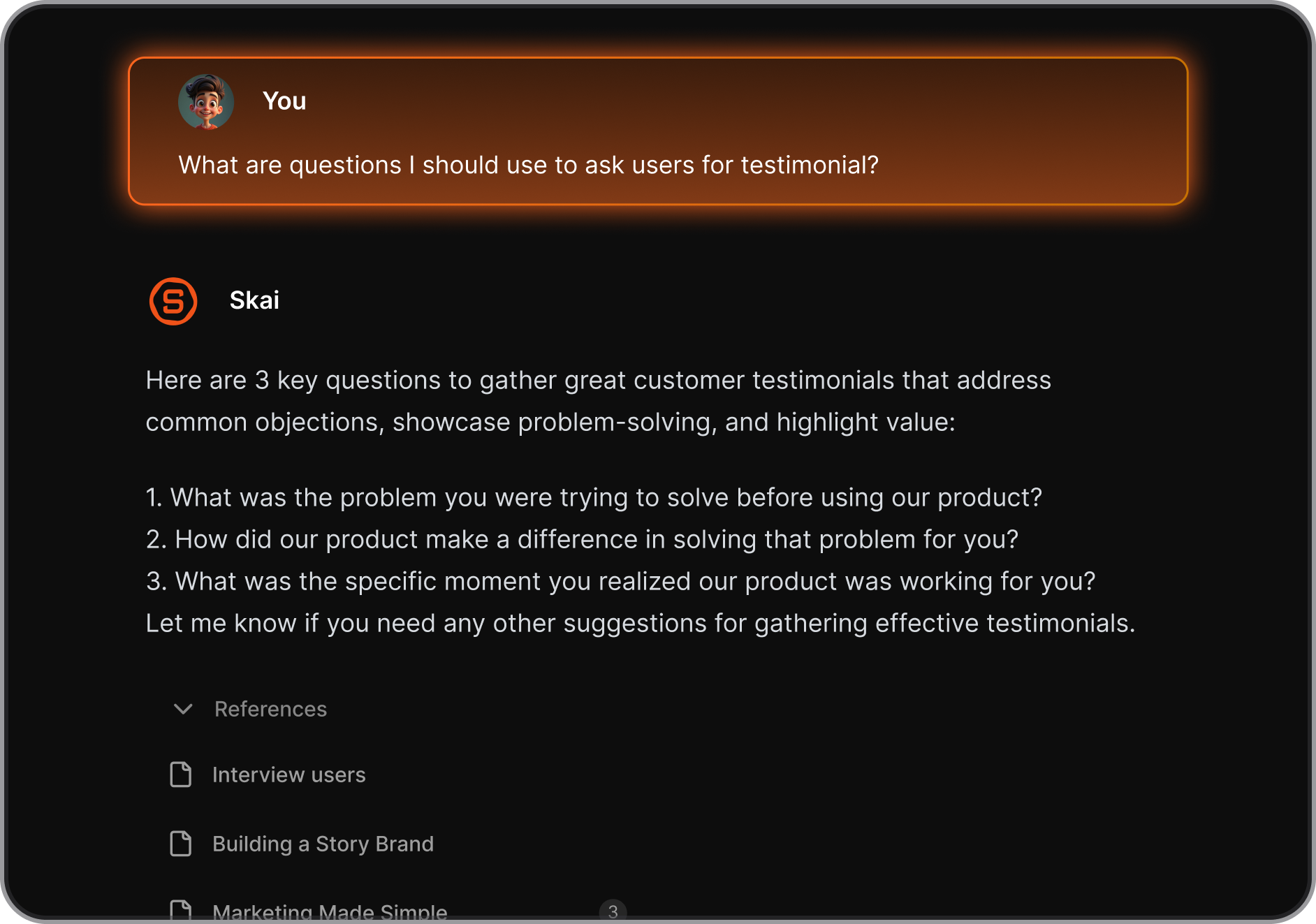
- Saner.ai – Finds notes based on meaning, not exact words
- Obsidian – Instant full-text search in local files
- Workflowy – Simple, fast filtering
If you struggle to remember keywords, Saner’s semantic search helps the most.
13. Do any Reflect alternatives work offline?
Yes - several work completely offline:
- Obsidian
- Logseq
- Anytype
These are ideal for travellers, privacy-focused users, or those who want full control of their data.
14. What’s the easiest Reflect alternative to learn?
If you want minimal setup:
- Workflowy – Easiest learning curve
- Saner.ai – Type naturally, AI organizes for you
- Evernote – Familiar and straightforward
Obsidian and Logseq offer more power but require a bit more ramp-up.
15. Which Reflect alternative has the best graph view?
If you love the graph feature in Reflect:
- Obsidian – Most powerful, interactive graph
- Logseq – Clean, simple graph with clusters
- Anytype – Graph that works with structured objects
Reflect’s graph is clean but minimal; these tools offer deeper insight.
16. Can any Reflect alternatives replace both notes AND tasks?
Reflect is notes-first, but if you want an all-in-one system:
- Saner.ai – Notes → tasks → reminders → calendar insights
- Notion – Databases + templates for full workflows
- Anytype – Build your own system with objects
Saner is the most “hands-off,” while Notion/Anytype offer full customization.
17. Are there AI-powered Reflect alternatives?
Yes - some offer more advanced AI than Reflect:
- Saner.ai – Context-aware recall, task automation, memory retrieval
- Notion AI – Drafting, rewriting, generating ideas
- Obsidian – AI via community plugins
If you want more than simple summarization, Saner provides the most depth.
18. What’s the best Reflect alternative for entrepreneurs and solo founders?
Founders typically want speed + clarity:
- Saner.ai – Turns chaotic notes into action
- Notion – Great for investor docs, team wikis
- Obsidian – Amazing for thinking and long-form planning
Reflect users switching for business workflows usually move to Saner or Notion.
19. Bottom line: What’s the single best Reflect alternative?
It depends on your priorities:
- For AI + follow-through → Saner.ai
- For privacy + local-first notes → Obsidian or Logseq
- For team collaboration → Notion
- For simplicity → Workflowy
- For structured, encrypted knowledge bases → Anytype
There’s no universal “best,” but each tool solves a different limitation Reflect users often face.
Stay on top of your work and life