100+ Best Year-End Reflection Questions for 2025

As December approaches, more people start searching for year-end reflection questions - not because they want a ritual, but because they’re overwhelmed, uncertain, or feeling behind. The end of the year often brings a mix of pressure and confusion: What went well? What should change? What should next year look like? Most people want clarity, but vague prompts like “think about your year” don’t actually help.
That’s why structured reflection questions for end of year are so powerful. They give you direction when your brain feels cluttered. They help you make better decisions, understand your habits, close emotional loops, and align your personal and work life. Personal yearly reflection helps you see patterns, celebrate wins, and design a next year you actually want - not one you fall into by default.
This guide includes 100 carefully curated year-end review prompts sorted by important life areas, so you can reflect with intention instead of overwhelm.
Let's dive in!
1. Personal Growth Questions
Reflection matters here because personal development compounds over time. When you understand how you’ve changed, you can decide how you want to grow next year - with purpose, not pressure.
10 Questions
- What personal beliefs or assumptions shifted for me this year?
- Which habits made me feel more like the person I want to become?
- What did I learn about my strengths in real-life situations?
- What part of myself did I understand better this year?
- When did I act out of fear instead of intention?
- What is one moment I felt proud of who I was becoming?
- What boundaries did I successfully set — or struggle with?
- Which situations showed me my values clearly?
- What version of myself am I leaving behind?
- What new version of myself am I stepping into next year?
2. Career & Work Reflection Questions

Your career shapes your confidence, financial stability, and daily energy. Reflecting helps you understand what’s working, what’s draining you, and what professional direction makes sense next year.
10 Questions
11. What work project energized me the most — and why?
12. Which tasks consistently drained my energy?
13. What new skill did I gain that improved my performance?
14. When did I feel most confident at work this year?
15. When did I feel stuck or undervalued?
16. What feedback helped me grow the most?
17. Did my work align with my long-term career direction?
18. What impact did I create that I’m proud of?
19. What professional risk do I wish I had taken?
20. What opportunities should I pursue next year?
3. Relationships & Social Life Questions
Your connections deeply influence your happiness, stress levels, and sense of support. Reflecting helps you identify where to invest more - and where to let go.
10 Questions
21. Who added the most positivity to my life this year?
22. Who consistently drained my mental or emotional energy?
23. Which relationships grew — and why?
24. Did I communicate my needs clearly with others?
25. What moments made me feel deeply supported?
26. What friendships did I neglect that I want to rebuild?
27. Did I show up as the friend or partner I want to be?
28. What social habits made me feel connected?
29. What did I discover about my relationship patterns?
30. What do I want more or less of in my relationships next year?
4. Mental Health & Emotional Well-Being Questions
Your emotional world influences how you show up everywhere else. These reflection questions help you understand triggers, resilience, and the patterns that shaped your inner life.
10 Questions
31. What emotions did I feel most often this year — and why?
32. When did I feel most grounded and at peace?
33. What were my biggest sources of stress?
34. How did I care for myself on difficult days?
35. What coping strategies helped me the most?
36. What fears held me back this year?
37. What emotional boundaries protected my well-being?
38. What moments brought genuine joy?
39. What drained my mental health slowly over time?
40. What will I prioritize for my emotional well-being next year?
5. Health & Habits Questions
Your daily habits shape your entire life. Reflecting on health helps you understand what needs strengthening, replacing, or simplifying.
10 Questions
41. What habit improved my physical or mental health the most?
42. What habit hurt me more than I want to admit?
43. How well did I sleep this year?
44. Did I move my body in ways that felt good and sustainable?
45. What routines helped me feel stable and regulated?
46. What routines fell apart — and why?
47. How did my environment support or sabotage my habits?
48. Which foods made me feel good (or not)?
49. What health win am I most proud of?
50. What one habit would make next year noticeably better?
6. Money & Finance Questions
Money affects freedom, stress, and long-term stability. These prompts help you evaluate spending habits, savings, and how aligned your financial decisions are with your values.
10 Questions
51. What spending brought true value into my life?
52. What spending was purely emotional or impulsive?
53. Did I save as much as I hoped? Why or why not?
54. What financial habits helped me feel more in control?
55. What surprised me the most about my money behavior?
56. What purchases helped my career, health, or happiness?
57. What money stress did I experience this year?
58. What financial boundaries do I need next year?
59. What financial goal did I come closest to achieving?
60. What financial milestone do I want to reach next year?
7. Productivity, Focus & Time Management Questions

Reflection helps you understand where your time actually went - and how to reclaim next year with systems that work for you, not against you.
10 Questions
61. What task or project consumed most of my time this year?
62. When was I most productive - and what made it possible?
63. What systems or apps genuinely helped me stay organized?
64. What distracted me the most?
65. What time-wasters should I eliminate next year?
66. When did I feel overwhelmed, and why?
67. What type of work do I procrastinate on consistently?
68. What planning habits reduced my stress?
69. What would I change about how I managed my time this year?
70. What one productivity shift would change everything next year?
8. Creativity & Learning Questions
Creativity keeps your mind alive. Learning keeps you adaptable. These reflection questions help you reconnect with curiosity and growth.
8 Questions
71. What new thing did I learn that genuinely excited me?
72. What books, podcasts, or courses impacted me the most?
73. When did I feel creatively “alive” this year?
74. What killed my creativity or curiosity?
75. What skill do I wish I had started learning earlier?
76. How did I express myself creatively this year?
77. What hobby or interest do I want to explore next year?
78. What learning goal would make next year more fulfilling?
9. Challenges, Mistakes & Lessons Questions
Reflection isn’t just about wins - it’s about learning from the hard parts so you don’t repeat them.
10 Questions
79. What was my biggest challenge this year?
80. How did I overcome difficult situations?
81. What mistake taught me the most?
82. What patterns kept repeating — and why?
83. What conflict or tension did I handle well?
84. What conflict do I wish I handled differently?
85. What did I avoid this year, and what did avoidance cost me?
86. What did I learn about resilience?
87. What’s one thing I would redo if I could?
88. What strength emerged from my hard moments?
10. Gratitude & Wins Questions
You can’t build a meaningful future without acknowledging what already went right. Gratitude shifts your mindset and helps you see progress you’d otherwise ignore.
10 Questions
89. What are three moments from this year I’m grateful for?
90. What achievement surprised me the most?
91. What small win meant more than I expected?
92. Who made my year better?
93. What personal qualities helped me succeed?
94. What opportunity am I thankful I said yes to?
95. What am I proud of overcoming?
96. What parts of my life improved, even slightly?
97. What was a highlight of my year?
98. What is one thing I’m grateful I finally let go of?
11. Planning & Vision for Next Year Questions
Reflection leads naturally into direction-setting. These prompts help you turn insights into momentum for the year ahead.
10 Questions
99. What do I want to prioritize above everything else next year?
100. What areas of my life need the most attention or change?
101. What habits do I want to strengthen or rebuild?
102. What habits do I need to finally release?
103. What would make next year feel meaningful and aligned?
104. What am I no longer willing to tolerate?
105. What big goal excites me — even if it scares me?
106. What’s one simple commitment I can start with on January 1?
107. What support or resources do I need next year?
108. What does “a good year” look like for me?
How to Do Your Yearly Reflection (Simple, Effective, and Not Overwhelming)
Most people skip year-end reflection because they think it has to be deep, emotional, or time-consuming. It doesn’t. The best personal yearly reflection is honest, simple, and structured - not dramatic. Here’s how to make your reflection actually useful instead of overwhelming.
1. Set the right environment
Your brain needs a calm container to think clearly.
Pick a space where you won’t be interrupted for at least 30-60 minutes.
A quiet room, a café, or a desk with your headphones on works perfectly.

What helps:
- phone on Do Not Disturb
- a notebook or doc
- water or coffee
- a comfortable chair
- warm lighting (helps you think long-form)
2. Separate reflection from planning
This is one of the biggest mistakes people make.
Reflection = understanding what happened and why.
Planning = deciding what to do next year.
When you mix the two, you rush through the reflection.
Do them in two separate sessions to get deeper insights and avoid pressure.
3. Start with structured prompts, not blank pages
A blank page makes your mind freeze.
Using year-end reflection questions gives your brain direction and reduces emotional overwhelm.
Good prompts help you reflect honestly without spiraling into guilt or perfectionism. That’s why lists like the 100 questions in this guide work so well - they break the process into manageable, meaningful areas.
4. Go slow and answer honestly

You don’t have to answer every prompt.
Pick the questions that hit you emotionally - those usually matter the most.
A good rule of thumb:
If a question makes you pause, write it down. It’s trying to tell you something.
Write without judgment. No “shoulds,” no pretending. Your future self needs truth, not a polished narrative.
5. Look for patterns, not events
Events matter, but patterns shape your life.
Look for themes in your answers:
- Where did your energy go?
- What kept repeating?
- What surprised you?
- What drained or fulfilled you consistently?
Patterns help you understand the “why” behind your year — and that’s what actually informs next year’s goals.
6. Notice both mistakes AND wins
Humans are wired to zoom in on what went wrong.
But your growth also depends on recognizing:
- what worked
- what improved
- what you handled well
- what you survived
A balanced reflection gives you emotional closure instead of self-criticism.
7. Turn insights into 3–5 clear takeaways
Before closing your reflection, summarize everything into a short list:
These takeaways become the bridge between reflection and next-year planning.
8. Come back to your answers in January
Reflection doesn't end when the calendar resets.
Review your answers again in early January with fresh eyes - you’ll often notice new insights you couldn’t see in December.
This helps your reflection stick, instead of becoming something you forget after a week.
FAQ: Year-End Reflection Questions
1. What are the best year-end reflection questions?
The best questions help you look honestly at your habits, emotions, wins, challenges, and direction. They’re specific, actionable, and help you turn reflection into clear next-year goals.
2. How do I reflect on my year?
Set aside quiet time, remove distractions, and go through structured year-end review prompts like the ones in this post. Writing your answers makes the process more meaningful and easier to act on.
3. Why do people do year-end reviews?
Because they want clarity, emotional closure, better decision-making, and a clearer plan for the upcoming year.
4. Should I do my reflection alone or with others?
Most people reflect alone first, then share insights with a partner, friend, or team. Both approaches can add value.
5. What’s the difference between reflection and planning?
Reflection helps you understand what happened and why. Planning uses those insights to set future goals and habits.
6. How long should year-end reflection take?
Most people spend 30–90 minutes, but a deeper yearly review can take a few sessions. There’s no “correct” length — just enough time to be honest with yourself.
7. When is the best time to do a year-end reflection?
Anytime in December or early January works well, when you naturally have more perspective.
Conclusion
Year-end reflection gives you space to breathe, learn, and redesign your path with intention. It’s one of the simplest ways to understand yourself and create a better next year.
Save this list, revisit it anytime, and use what you learn to set clearer goals for the year ahead.
Your next chapter starts with knowing yourself a little better than you did last year.
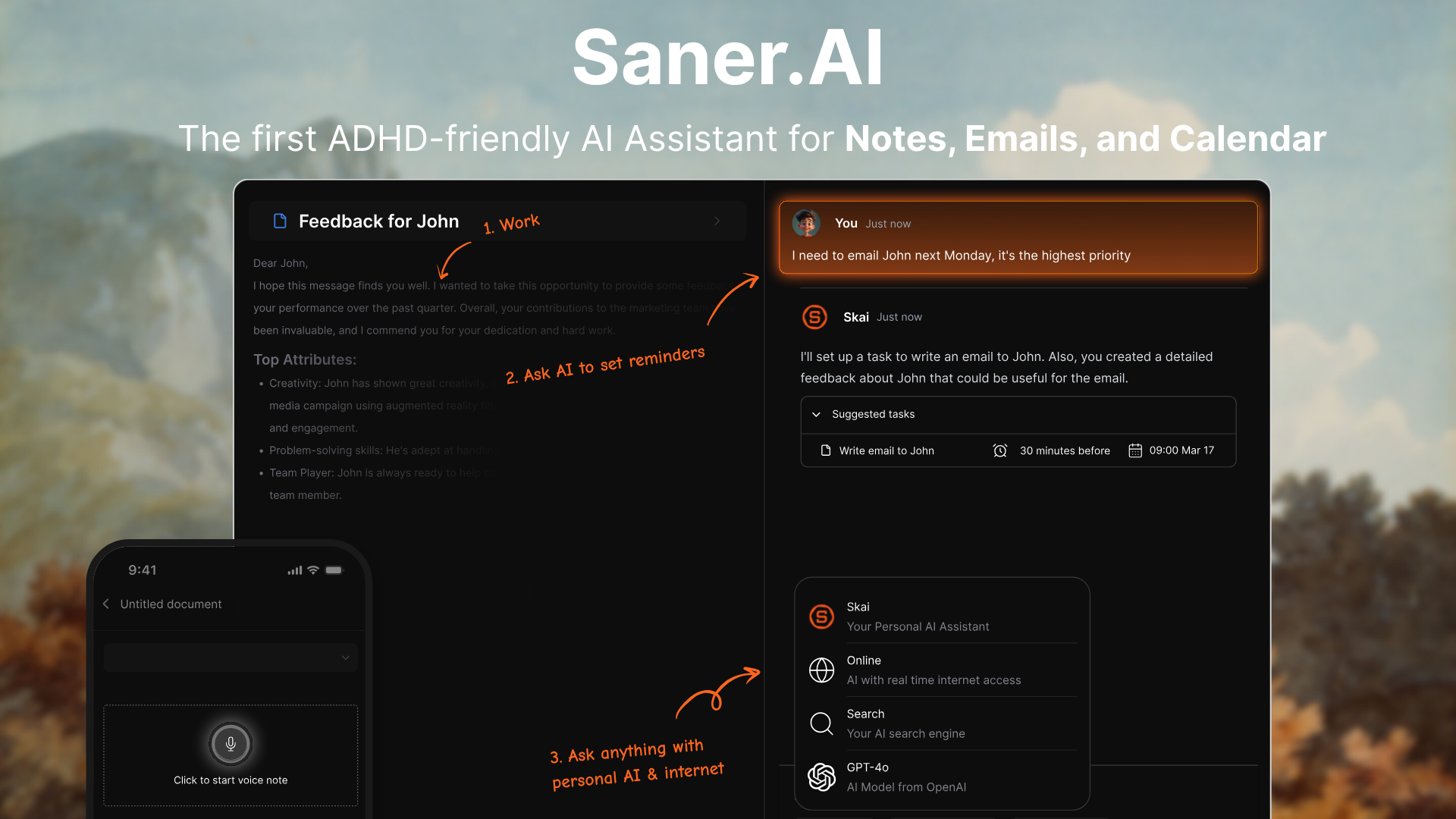
And the great way to reflect is to ask your personal assistant how you did this year :)
Stay on top of new year!