How to Get Organized and Stay on Top of Your Life [2026]



How I Get Organized in 2026, and you can too.
We all want to become more organized. I think it's one of the most talked-about topics in productivity. Books, courses, YouTube channels, entire careers built around it. And yet most people are still behind on something right now.
That's worth asking about. If the advice is everywhere, why doesn't it stick?
Part of the answer is psychological. The human brain isn't naturally wired to hold tasks, prioritize competing deadlines, and maintain a system at the same time. Working memory, the mental space you use to hold information while doing something else, is small. When it fills up, things fall out.
If you are a professional with multiple browser tabs open. The student who writes tasks on receipts. The person who bought a planner in January and hasn't opened it since March (be honest!). And yes, the person who suspects their brain has always worked a little differently than the productivity gurus assume.
This guide is for you.
We're going to give you a simple 5-step system to get organized, one that doesn't rely on willpower or perfect consistency. Then we'll show you how to turn it into habits that actually hold.
Key insights
- Working memory is limited by design. External systems only help when they're trusted, simple, and require almost no upkeep to maintain
- Many people who've "failed" at productivity were following advice that wasn't built for how their brain actually works
- The goal isn't a perfect system. It's a light enough system that you'll still use it on your worst days
1. What getting organized actually means
Being organized means you always know three things:
- WHAT needs your attention
- WHEN you plan to handle it
- WHERE to find the information tied to it
It has nothing to do with perfect folders or color-coded calendars.
You can have a messy desk and still be organized if your system works. On the other hand, you can have a clean setup and still feel lost if your tasks live in five places and none of them reflect your actual priorities.
The goal is clarity. You should be able to look at your system at any moment and know what matters today.
2. Why most people struggle to stay organized
The classic to-do list assumes you can externalize your mental load onto paper and return to it reliably. But that only works if your brain treats the list as a trusted source, which most don't, because most lists are incomplete, outdated, or stored in three different places.
There's also something called decision fatigue. Every time you look at a disorganized pile of tasks and have to figure out what to do next, you're spending cognitive energy that could go toward actually doing things. Organizational systems promise to solve this, but most require consistent maintenance. And maintaining a system is itself a task people forget to do.
Then there's a group of people for whom none of the traditional advice ever made sense, and they didn't know why for years. Some of them are only now finding out, well into adulthood, that they have ADHD or are autistic. Before that diagnosis, they tried every method. What they didn't know was that those systems were built around a neurotypical relationship with time, routine, and executive function.
If your brain works differently, borrowing someone else's system is like wearing shoes sized for someone else's feet.
Now, let's dive into the framework!
The 5-Step Framework to Get Organized
(what I learned from blood, sweat and tears)
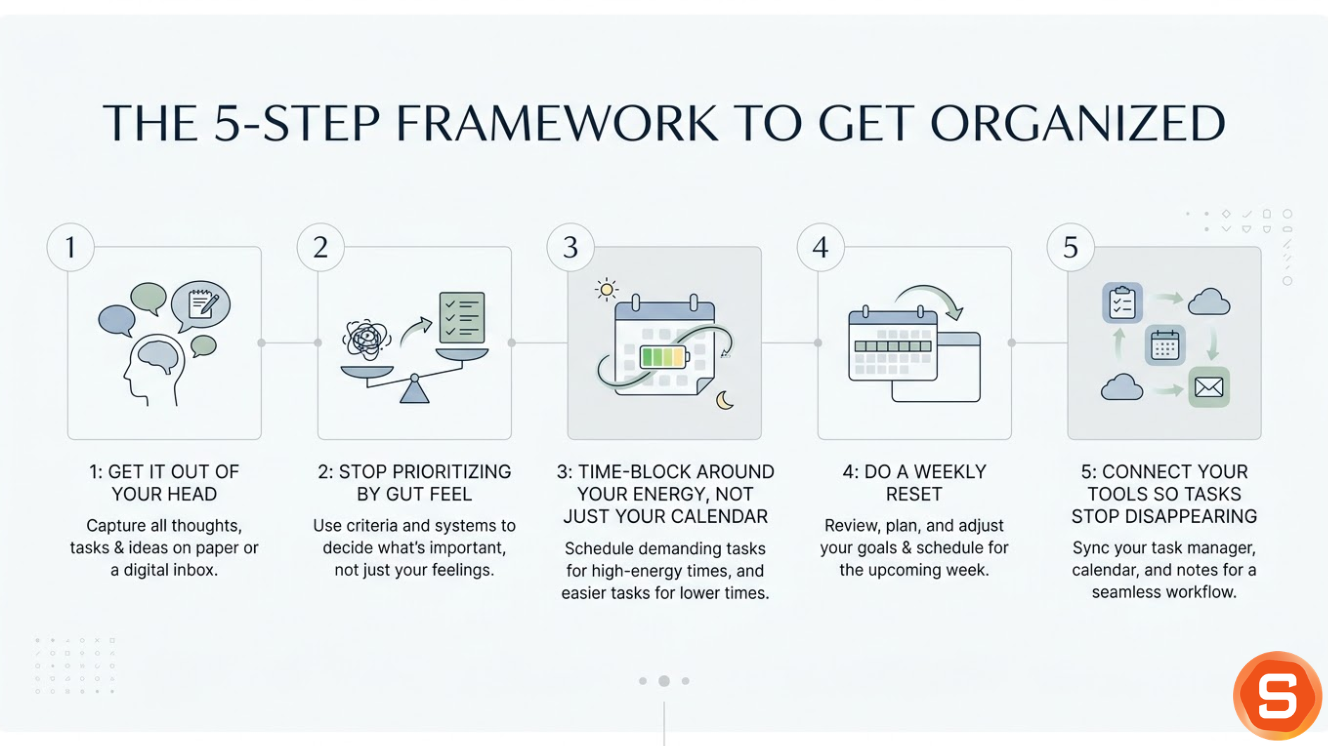
Step 1: Get it out of your head
Your brain is not a to-do list. It was never meant to be one.
Every time you try to mentally hold onto something, you're spending cognitive energy just to keep it from disappearing. Psychologists call this the Zeigarnik effect: unfinished tasks stay active in your mind, and if not handled correctly, will quietly drain you, until you write them down somewhere you trust.
The fix is a better capture habit.
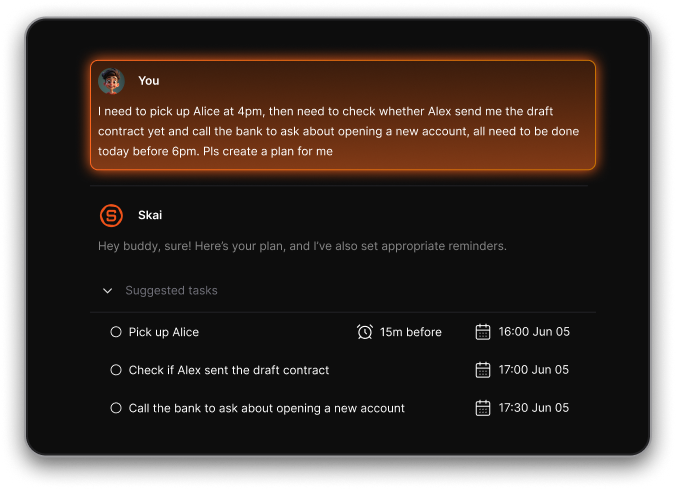
Pick one place where everything goes: work tasks, personal errands, random ideas, things you read and want to revisit. Not one app for work and one for personal. One place.
The moment you split your system, things fall through the cracks, and you end up back where you started, holding it all in your head.
Step 2: Stop prioritizing by gut feel
Most people start their day by opening their task list and working from the top down, or worse, by answering whatever feels most urgent in the moment. The problem with that approach is that urgency and importance aren't the same thing, and your gut almost always confuses the two.
A simple way to sort this out: for each task, ask yourself two questions.
- Does this need to happen today?
- Does this actually move something forward, or is it just maintenance?
Tasks that answer yes to both get done first. Tasks that answer yes to only one get scheduled or delegated. Tasks that answer no to both probably shouldn't be on your list at all.
This is the core logic behind the Eisenhower Matrix, one of the oldest prioritization tools around, and it still works because it forces a decision instead of letting you procrastinate through busyness.
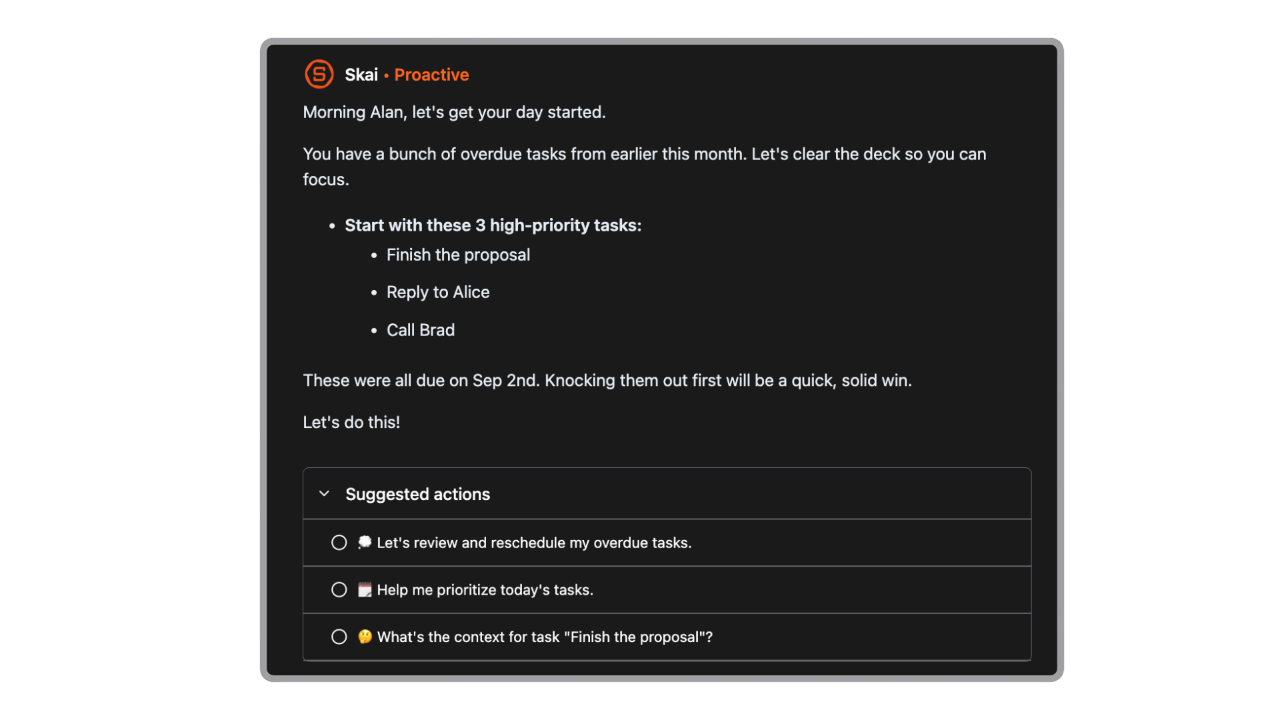
One adjustment that makes this stick: cap your "must-do today" list at three tasks. Not ten. Not seven. Three. When everything is a priority, nothing is, and you end your day having moved fast without going anywhere.
Step 3: Time-block around your energy, not just your calendar
Time-blocking only works when you match the type of task to when you actually have the capacity for it. Before you schedule anything, spend a few days noticing your patterns.
- When do you do your best thinking?
- When do you hit a wall?
Once you know your energy patterns, sort your tasks into two buckets before touching your calendar:
- High-focus tasks are things that require you to actually think: writing, solving a problem, making a decision, building something.
- Low-focus tasks are things your hands can do while your brain is half-present: answering routine emails, filing, scheduling, attending passive meetings.
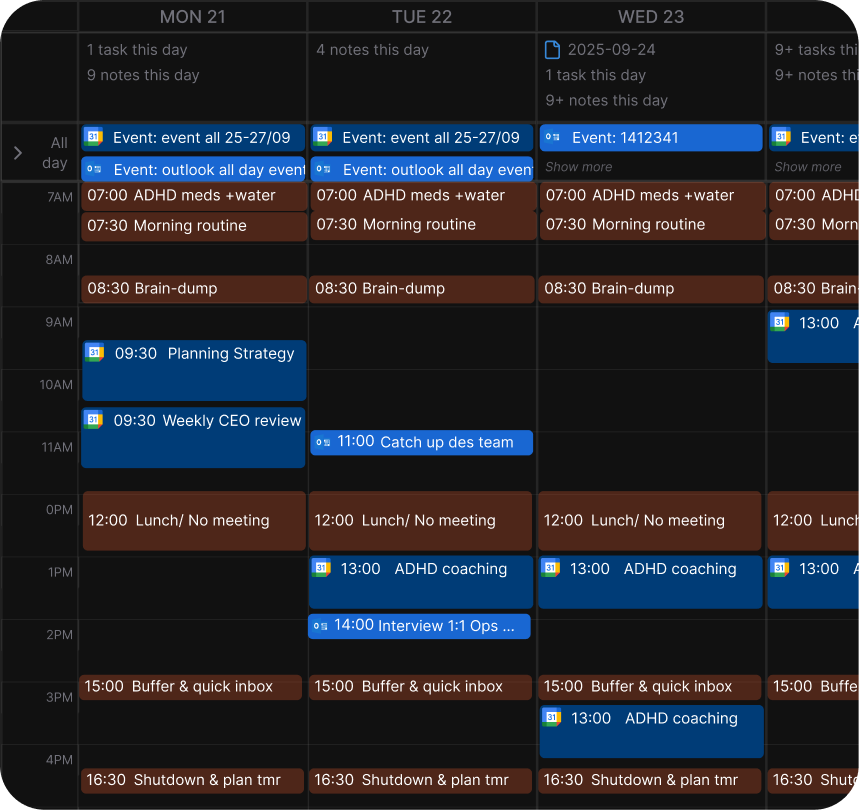
A few things that make this actually stick:
- Build in a buffer between tasks. Back-to-back blocks look tidy on paper and fall apart in real life. Give yourself 10-15 minutes to close one thing out before the next one starts.
- Block personal time the same way you block work. A gym session, picking up your kid, a proper lunch break - these don't get "fit in." They get scheduled like a meeting you can't cancel. If you don't put them in, they disappear under work.
One honest caveat: no time-block system survives contact with reality perfectly. Things will run over, meetings will get added, your energy will surprise you. The goal is to have enough structure that when things shift, you know what to protect and what can move.
Step 4: Do a weekly reset
Set aside 20–30 minutes at the same time every week. Sunday evenings work well for a lot of people, but the actual day matters less than the consistency. Treat it like a standing appointment.
Go through four things in that window:
- What actually got done. Scan your list and close out completed tasks. This sounds obvious, but skipping it means you carry dead weight into the next week, and a cluttered list makes everything feel heavier than it is.
- What didn't get done, and why. Not to beat yourself up, to be honest about whether the task still matters, whether it was unrealistic, or whether something just kept getting in the way.
- What's coming next week. Look at your calendar and your task list together. Are there conflicts? Is one day impossible and another wide open? Adjust now, while you still can.
- What's on your personal list. Groceries, a call you've been putting off, a bill due at the end of the month. Work tasks tend to dominate any to-do list, but life doesn't stop for your job. Ten minutes on personal to-dos here will save you a stressful scramble later.
Step 5: Connect your tools so tasks stop disappearing
Most people don't fall behind because they're lazy or disorganized by nature. They fall behind because their systems don't talk to each other.
Your to-do lives in one app. Your emails are in another. Notes from that meeting last Thursday? Buried somewhere in Google Drive. And the task someone assigned you via Slack? You saw it, meant to add it somewhere, and it's gone now.
This is the real reason productivity systems fail.
The fix isn't adding more apps. It's getting the ones you already use to feed into one place so tasks surface automatically instead of depending on you to remember to log them.
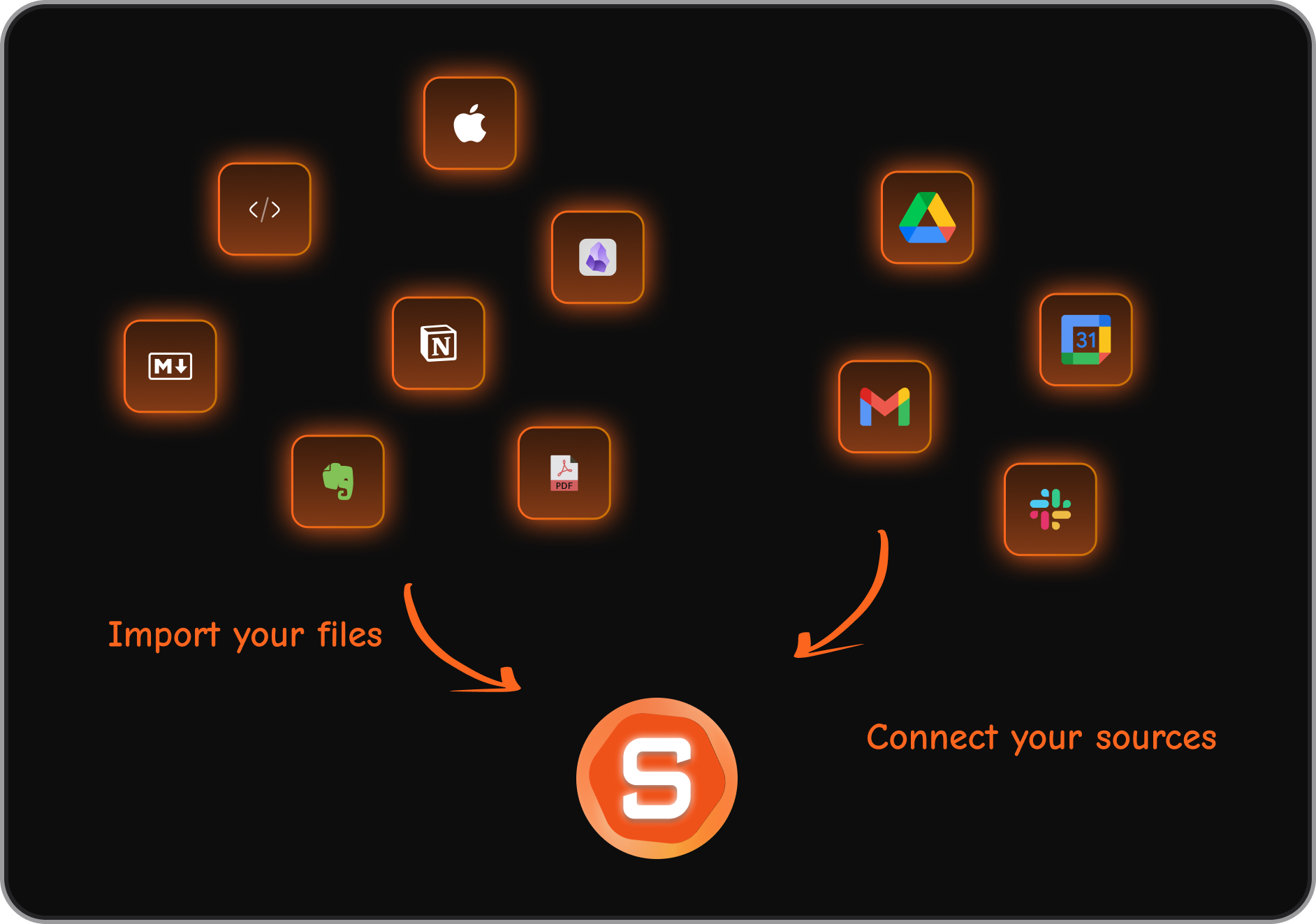
Saner.AI does this by pulling tasks directly from your Gmail, Google Drive, Slack, and Google Calendar. You don't have to copy anything across. If someone emails you a deliverable, it becomes a task. If a meeting is coming up, it shows up in your task view. The information you need is already there waiting for you, not scattered across four open tabs.
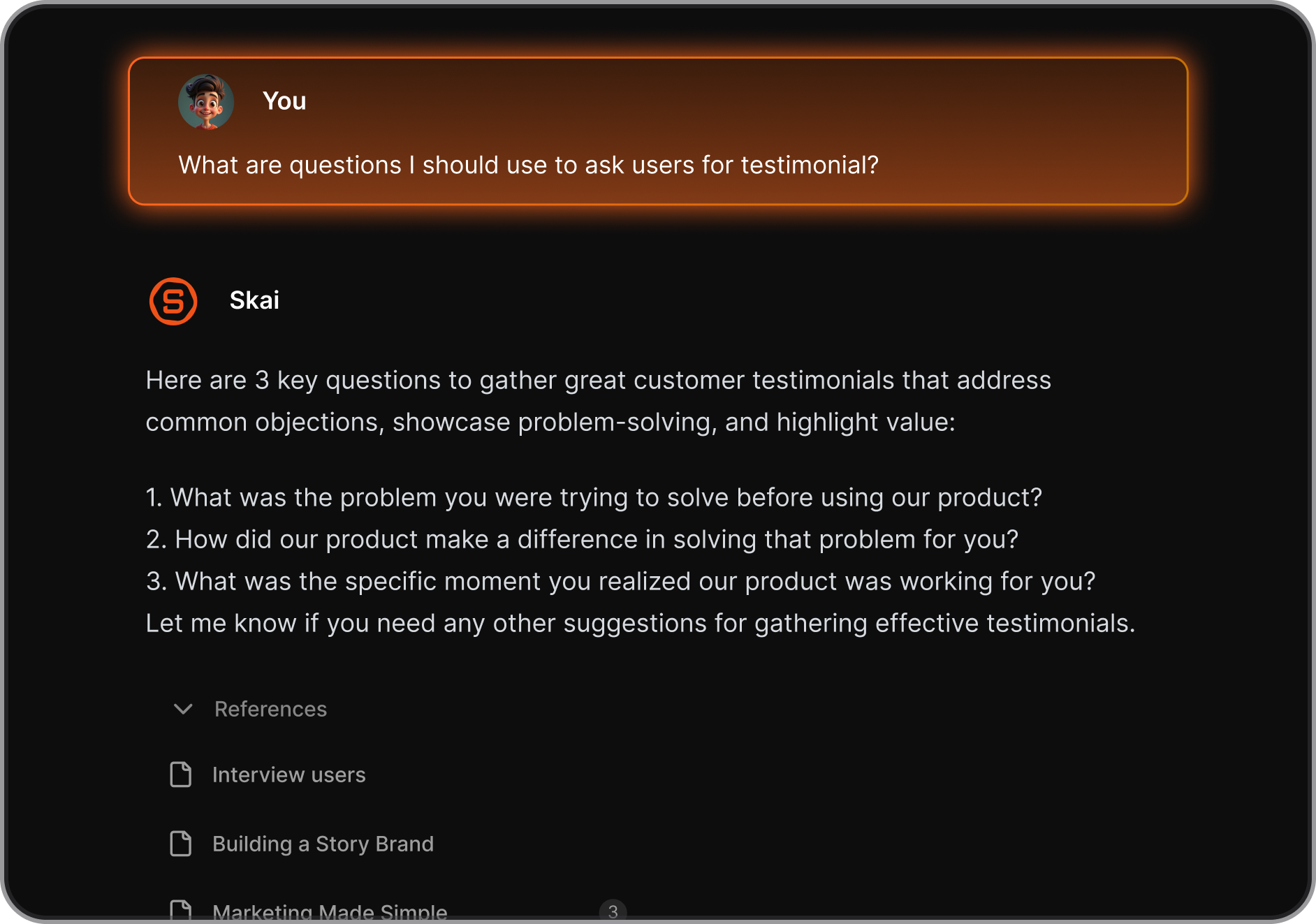
What's worth paying attention to is the Skai assistant. It doesn't just collect your tasks, it organizes them, connects related notes, and checks in with you on what still needs doing. If you've ever written something down and completely forgotten it existed, that's the gap Skai fills.
If you've been burned by productivity tools before, I get the skepticism. A lot of them promise this and deliver a clunky integration page that takes an afternoon to set up and breaks two weeks later.
Saner.ai is still worth trying, especially if you're someone who processes a lot of information across a lot of places. Start with the free plan, connect your Gmail and Calendar, and see whether it changes how much mental energy you spend just tracking things.
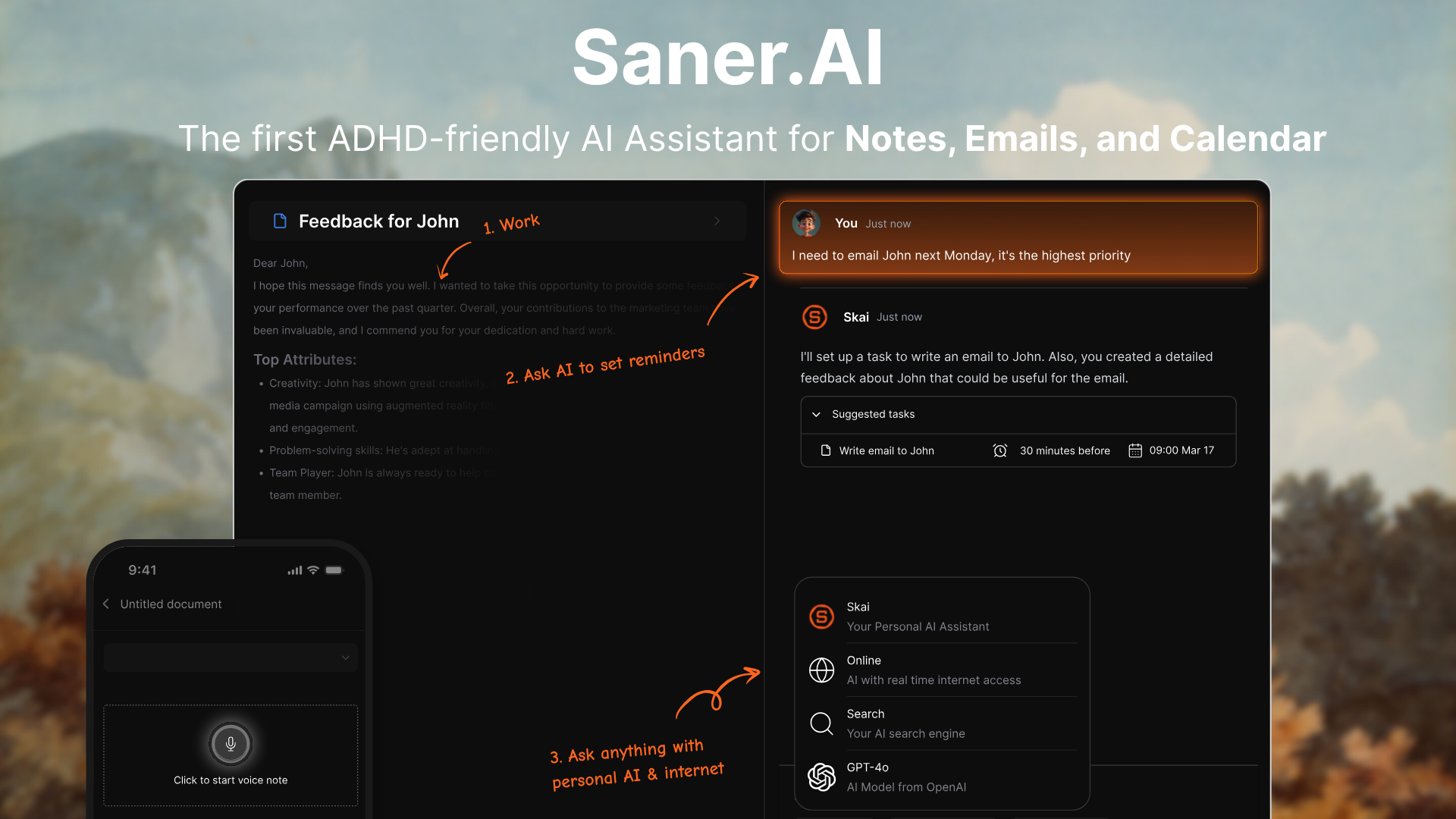
Stay on top of your work and life
How to create habits of Getting Organized?
You don’t build organizational habits by forcing yourself to care. You build them by making things visible enough that your brain starts to care.
A few ways to do that:
1. Make the cost of disorganization obvious
If missed tasks or clutter don’t create immediate problems, your brain won’t prioritize fixing them.
So bring the consequences closer.
- Keep your task list open during the day
- Write tasks clearly so you see what you’re avoiding
- Review unfinished work daily so it doesn’t disappear
Some tools help by nudging you at the right moment. For example, Saner.AI surfaces tasks and messages based on what you’re working on, which makes it harder for things to quietly slip through.
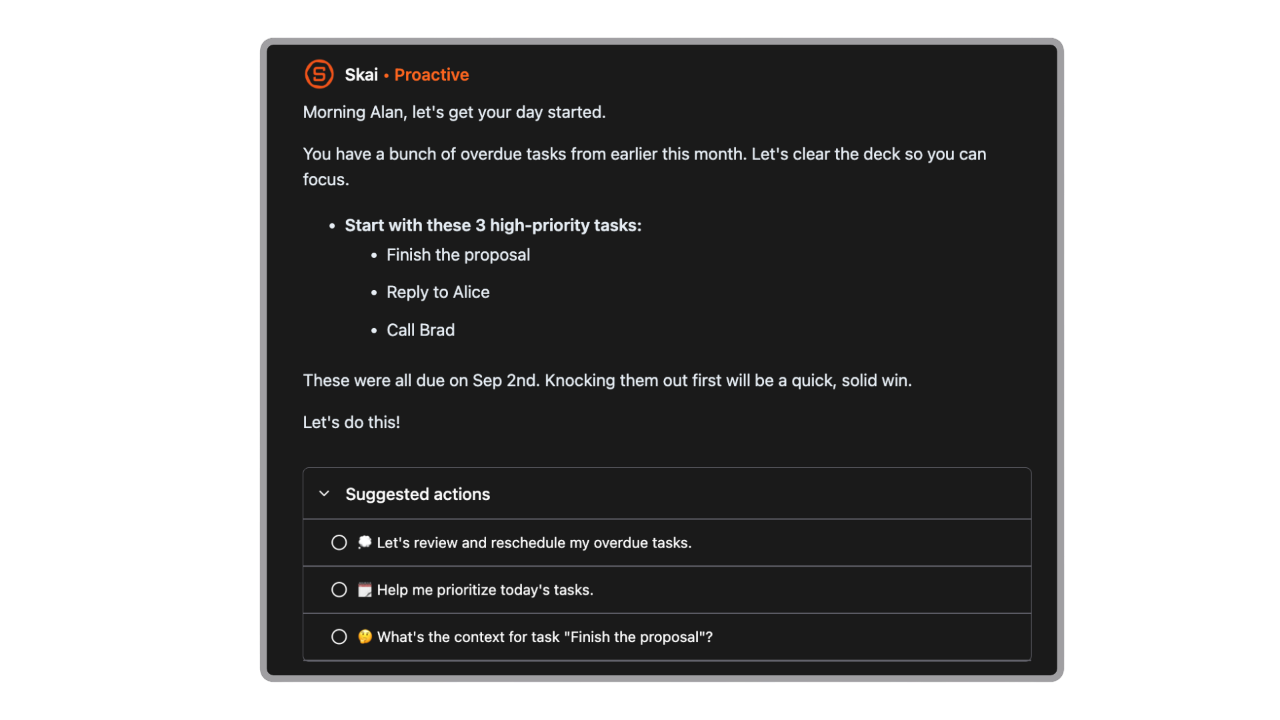
Once you see the gap between what you planned and what you did, it starts to register.
2. Reduce the effort required to stay organized
If organizing feels like a chore, you’ll avoid it even if you care.
Tighten the loop:
- one place for tasks
- quick capture
- short daily check-in
3. Build attachment through repetition
This part is less obvious. You don’t always start by caring. Sometimes you start by doing.
When you use a system daily, you begin to rely on it. Once you rely on it, you start noticing when it breaks. That’s when it becomes something you care about maintaining.
4. A more honest way to say it
You don’t need to be “well-minded” or deeply introspective to get organized.
You need two things:
- a system that’s easy to use
- enough exposure to it that you notice when it’s off
After that, habits form on their own.
Conclusion: Getting Organized in 2026 is a totally different experience
We started this with a question worth sitting with. If getting organized's advice has been everywhere for decades, why do most people still feel behind?
The honest answer is that most of the advice was solving the wrong problem. It assumed you needed more structure, more discipline, a better template. What most people actually needed was less friction between having a thought and knowing it's somewhere safe. Less time deciding what to do next. A system that works on a Tuesday when everything is fine, and still holds on a Friday when nothing is.
In 2026, your notes can find their own connections. Your tasks can surface from emails without you re-entering them anywhere. You can ask your own knowledge base a question in plain English and get an answer back in seconds.
This doesn't mean organization is effortless now. You still have to build the habit of capturing. You still have to decide what matters. But the part that used to break most systems, the keeping-it-alive part, requires much less from you than it used to.
If you've tried getting organized before and it didn't hold, it's worth trying again. Not with more willpower, and not with a more complicated system. Just with better tools underneath.
Saner.AI is one place to start. Not because it's the only option, but because it was built specifically around the problem this guide has been describing: too much coming in, too little mental space to sort it, and a need for something that works even when you don't have the bandwidth to maintain it.
The goal was never a perfect system. It was a system you'd still use when things got hard. That's finally within reach.
Stay on top of your work and life
FAQ: How to Get Organized to stay on top of your work and life
- What does it mean to get organized?
It means you know what needs to be done, when you plan to do it, and where everything lives.
- How do I get organized when I feel overwhelmed?
Write everything down in one place first. Don’t sort it yet. Once it’s out of your head, you can start deciding what matters.
- What tools help you stay organized at work?
A simple task list, a calendar, and a place for notes like Saner.AI are enough. The key is keeping your tasks in one main system.
- If you want to know more about organization tools, you can check this post
- If you have ADHD and want to find ADHD organization tools, you can check this post
- How do I maintain organization long-term?
Stick to a short daily check-in and a weekly review. Those two habits keep your system from drifting.
- How many tasks should I plan each day?
Three to five is usually realistic. More than that often leads to unfinished work.
- Why do I feel busy but not productive?
You’re likely reacting to incoming tasks instead of working from a clear list of priorities.
- Is it better to use one app or multiple apps?
Use one place for tasks. You can use other tools for notes or scheduling, but your task list should have a single home.
- What’s the best way to prioritize tasks?
Keep it simple. Decide what needs attention now, what can wait, and what isn’t important.
- How often should I review my task list?
Do a quick check daily and a deeper review once a week.
- What should I do if my system stops working?
Don’t rebuild everything. Look for what’s causing friction and fix that part.
- How do I stop forgetting tasks?
Capture them immediately in one place. Don’t rely on memory.
- Can AI tools help with organization?
Yes, especially when they surface tasks at the right time. For example, tools like Saner.AI bring relevant tasks and messages into view so you don’t have to go looking for them.
- Why do I stay organized in some areas but not others?
You tend to stay organized where you care more or where disorganization causes immediate problems.
- How do I build an organization habit?
Start small. Use your system daily, even for a few minutes, until it becomes automatic.
- Do I need a perfect system to stay organized?
No. A simple system you actually use will always beat a perfect one you ignore.
Stay on top of your work and life