
ADHD Emotional Dysregulation: What is it and how to deal with it?

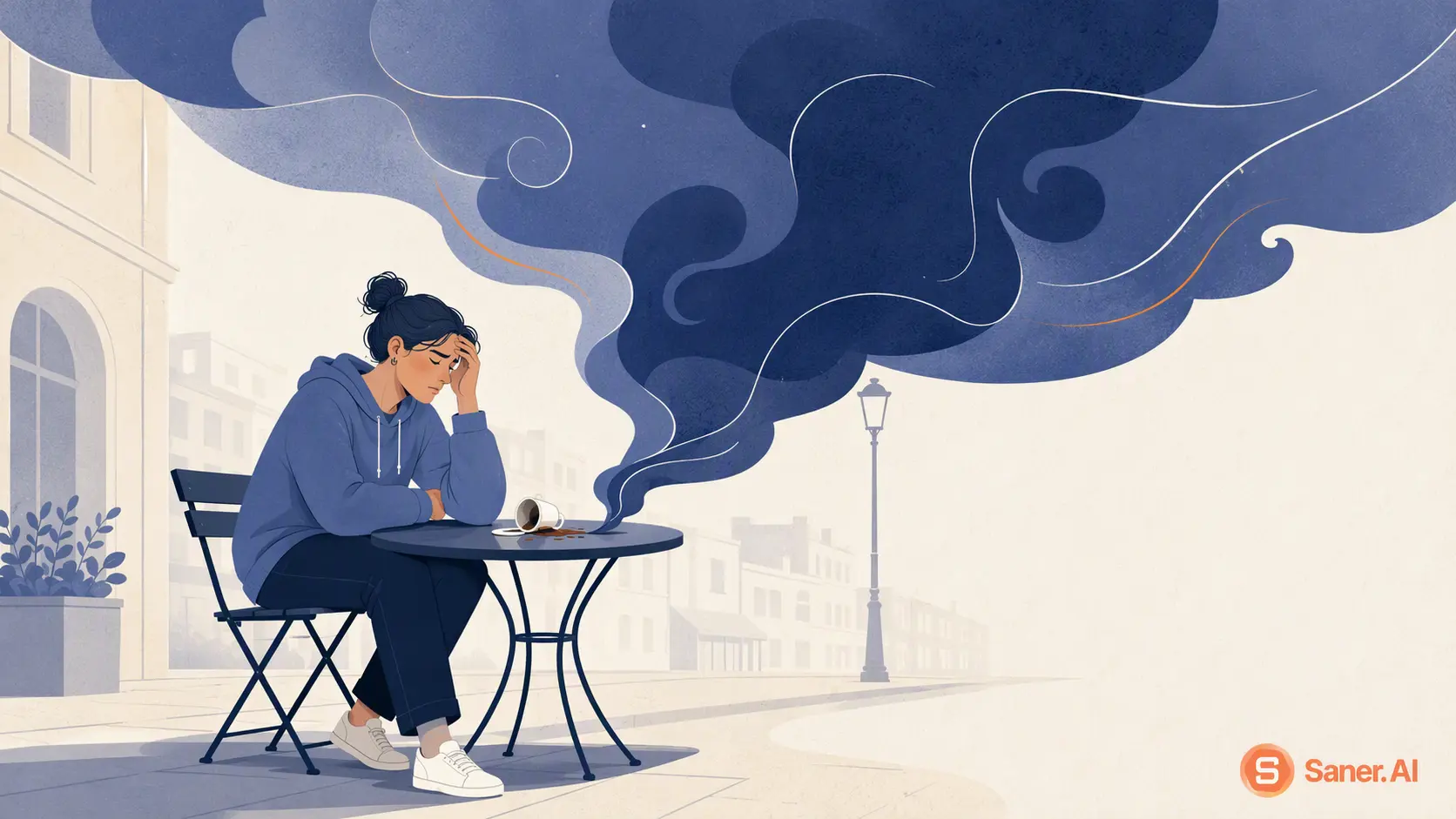
It's 4:37 p.m. A coworker leaves a one-line comment on your draft: "Can we revisit this?"
Five words. And yet your chest goes hot, your brain writes a four-paragraph defense you'll never send, and by dinner you've decided you're bad at your job. You know it's out of proportion. Knowing doesn't help.
If that sounds familiar and you have ADHD (or suspect you might), there's a name for what's going on, and it's a lot more common than most people realize. I want to walk through what the science actually says, how to spot it in yourself, and what helps, including some small tools that take pressure off your brain on the days it's running hot.
What emotional dysregulation actually means

Emotional dysregulation isn't about having the feeling. It's about how big it gets, how fast it arrives and how hard it is to steer.
Emotional problems used to sit near the center of how doctors described ADHD. In the earliest descriptions, emotional dysregulation was ranked above inattention as a cardinal symptom. Cleveland Clinic behavioral health specialist Michael Manos, PhD, puts the current situation simply: even though it's no longer in the formal definition, "many people with ADHD still have difficulty managing their feelings."
So if you've ever been told your ADHD is "just about focus," that's an incomplete picture.
How common is ADHD emotional dysregulation?
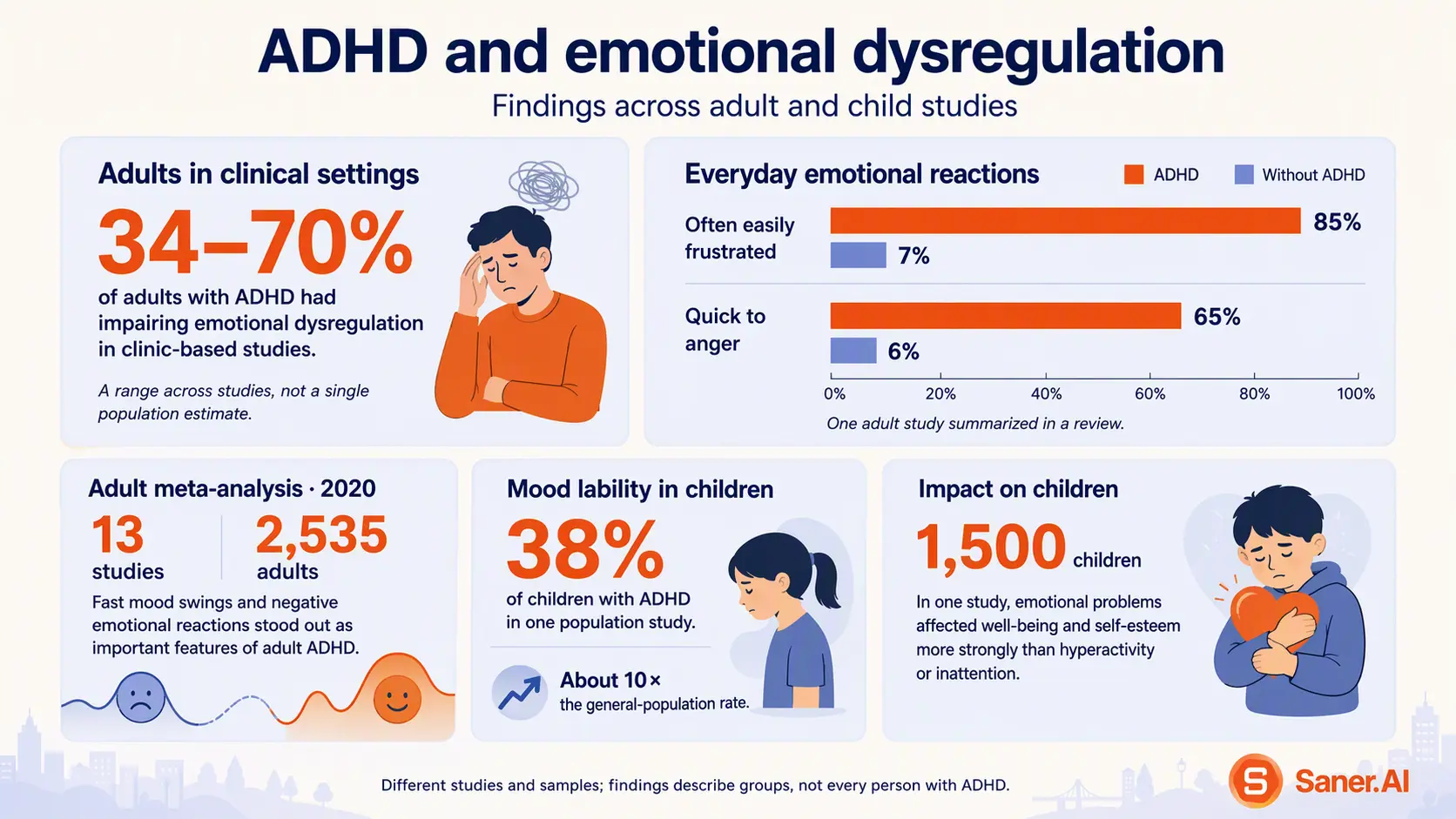
- Clinic-based studies report impairing emotional dysregulation in 34 to 70% of adults with ADHD.
- In one study summarized in the same review, 85% of adults with ADHD said they were often easily frustrated, compared with 7% of people without ADHD. For being quick to anger, it was 65% versus 6%.
- A 2020 meta-analysis pooling 13 studies and 2,535 adults found that emotional lability (fast mood swings) and negative emotional reactions play an especially clear role in adult ADHD.
- In children, a population study found mood lability in 38% of kids with ADHD, about ten times the rate in the general population.
- In a study of 1,500 children, emotional problems hit well-being and self-esteem harder than hyperactivity or inattention did.
Why it happens: what's going on in the ADHD brain
The parts of the brain that sound the alarm and the parts that are supposed to calm it down aren't talking to each other as smoothly.
Researchers point to a network linking the amygdala, the ventral striatum, and the medial prefrontal cortex. The amygdala flags something as a threat or a big deal. The prefrontal areas are meant to step in, reframe it, and redirect your attention.
In ADHD, that handoff is less reliable, and brain imaging studies show the prefrontal "control" regions often under-activate when negative emotions are in play.
Dr. Manos explains that managing those feelings takes directed attention, the deliberate kind, and directed attention is exactly what ADHD makes harder to switch on. So the feeling arrives at full volume, and the part of you that would normally turn it down is slow to show up.
Signs of emotional dysregulation in adults with ADHD
It doesn't always look like yelling. For a lot of adults, it's quieter and more internal. Some common patterns:
- Fast, big reactions. Crying, snapping, or walking out over something you later recognize as small.
- Whiplash moods. Hopeful at 10 a.m., crushed by 10:30, with nothing major in between.
- A short fuse for friction. Slow websites, a pen that won't work, a task that's harder than expected. Frustration builds quickly and can make you abandon the task altogether.
- Saying it before you think it. The comment that comes out sharper than you meant, and the regret that follows.
- Replaying it for hours. You can't let go of the argument, the email, the tone of that one message.
- Criticism that cuts deep. Many people describe an intense sting from small criticism or perceived rejection, sometimes called rejection sensitive dysphoria (RSD). It's a widely used term, though not a formal diagnosis.
- Constant low-grade overwhelm. Cleveland Clinic notes this is closely tied to unfinished tasks and broken agreements- the things you said you'd do and didn't.
How to manage ADHD emotional dysregulation: what the evidence supports
1. Name the feeling, specifically

In a UCLA fMRI study, putting a feeling into words reduced activity in the amygdala and boosted activity in a prefrontal region linked to emotional control. Lead researcher Matthew Lieberman summed it up: "When you attach the word 'angry,' you see a decreased response in the amygdala."
Try going past "upset." Is it embarrassment? Resentment? Disappointment? A feelings wheel helps if your vocabulary goes blank under stress (very normal with ADHD).
2. Get curious about your triggers

Once the wave passes, ask yourself a few questions:
- What was I doing right before this hit?
- Was I hungry, tired, rushed, or already behind on something?
- Is there another feeling underneath, like fear or shame?
- Where did I feel it in my body?
The catch for ADHD brains is that journals tend to get abandoned by week two. More on a workaround below.
3. Buy yourself a few seconds

The goal isn't to feel angry. It's to widen the gap between feeling and reacting. Short breathing techniques like 4-7-8 breathing or box breathing take under a minute and give your prefrontal brakes time to catch up. You don't need a 30-minute meditation habit to start.
4. Lower the background load

Remember the full tank? Emptying it a bit each day makes the spikes smaller:
- Keep a few fixed anchors in your day (bedtime, a morning routine, a lunch break you actually take).
- Build in short breaks before you hit empty, not after.
- Protect sleep, because everything feels bigger when you're tired.
- Get open loops out of your head and into something external, so your working memory isn't holding them all day.
5. Consider therapy built for emotions

CBT and acceptance and commitment therapy (ACT) help you notice and reframe the thought patterns that fuel big reactions. Dialectical behavior therapy (DBT) teaches specific skills for emotion regulation and distress tolerance.
6. Talk to your doctor about medication

This one belongs with a professional, but it's worth knowing: in adults, research suggests improvements in emotional dysregulation from stimulant medication often track improvements in impulsivity and hyperactivity, and treating core ADHD symptoms is generally considered the first step.
The same review also notes some people experience more irritability on certain medications, so how you feel on a given prescription is worth bringing up at your next appointment.
Where an AI personal assistant fits in (and where it doesn't)
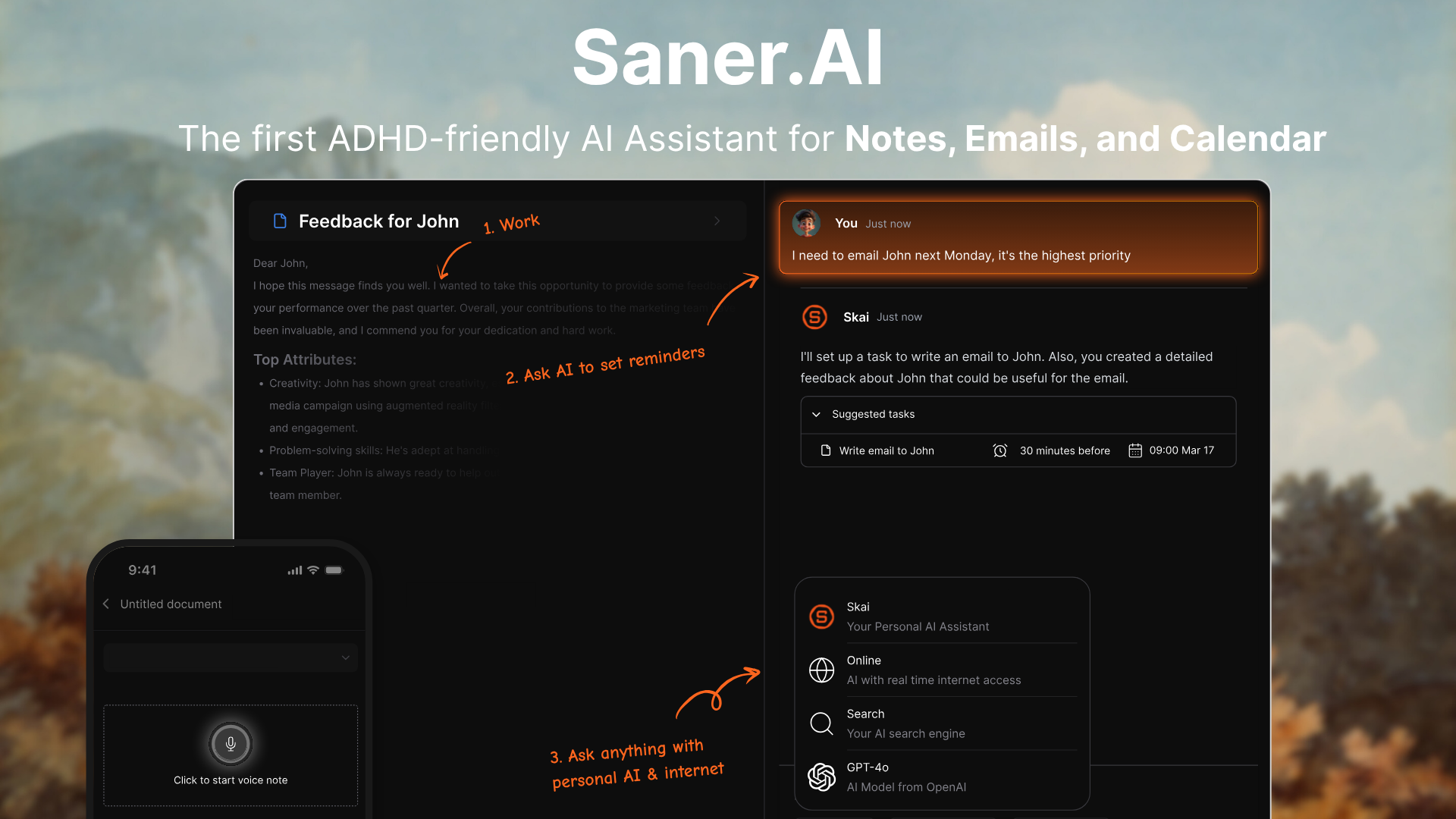
What a good tool can do is take some of the weight off the parts of your day that keep filling the tank, especially the forgotten follow-ups and avoided inboxes that feed the shame loop. That's the thinking behind Saner.AI, an AI personal assistant built for people with ADHD.
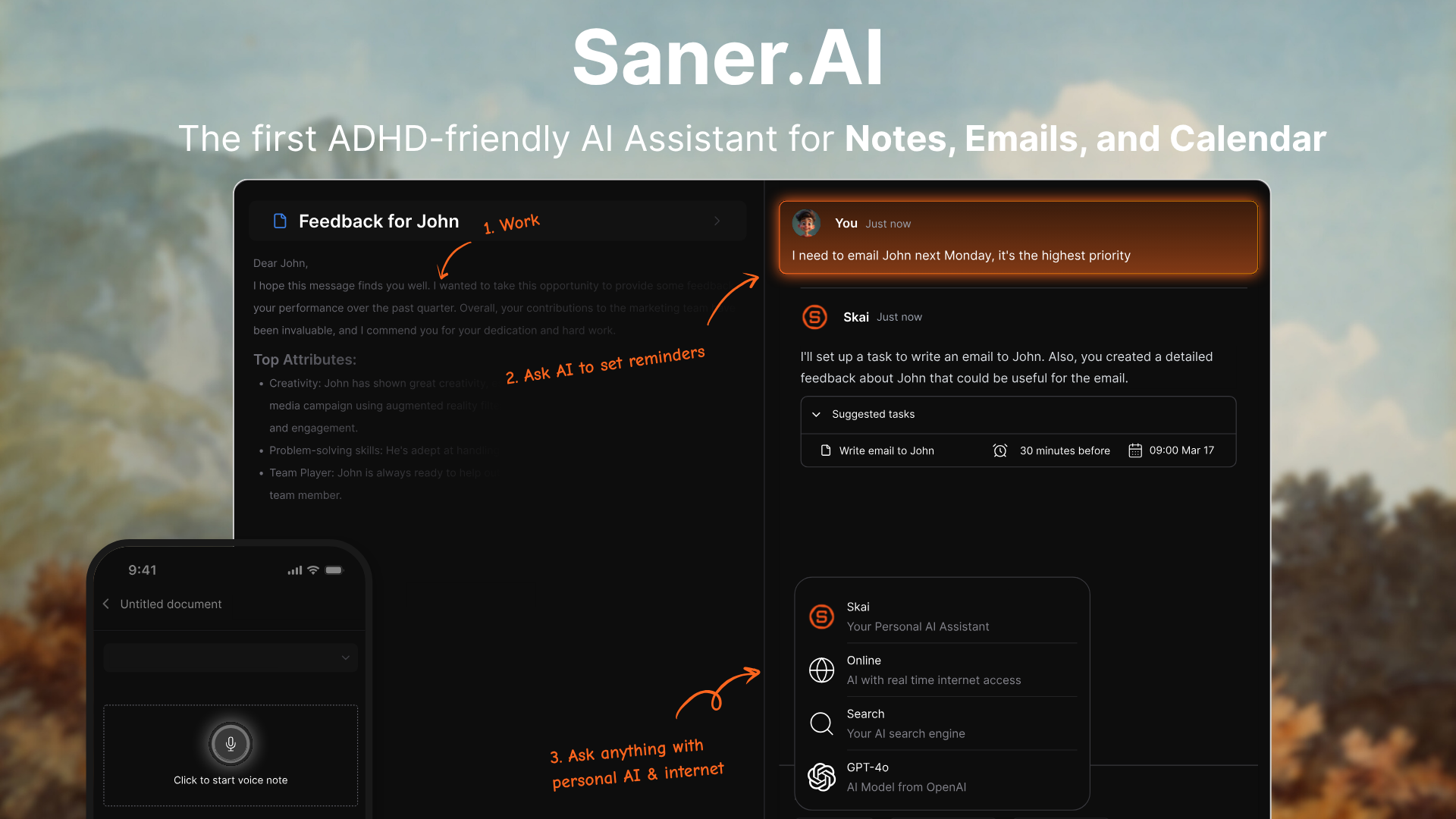
- Brain dump when your head is too loud. At 11 p.m., when your mind is replaying a conversation and listing everything you forgot, you can type or voice-dump the whole mess. Saner pulls the actual tasks out of it, so you can put it down and go to sleep.
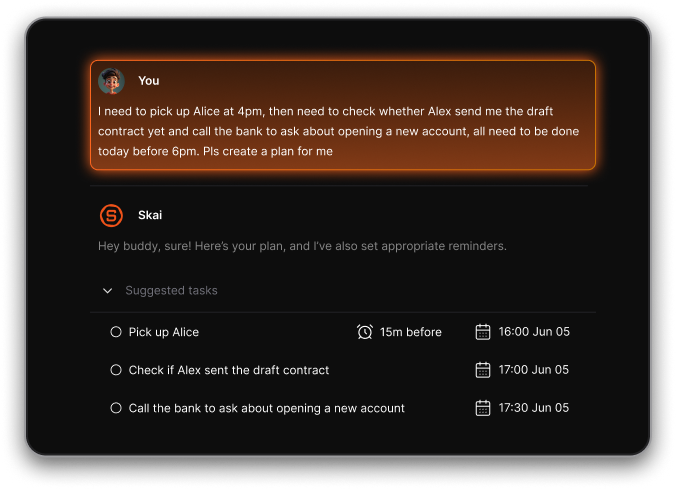
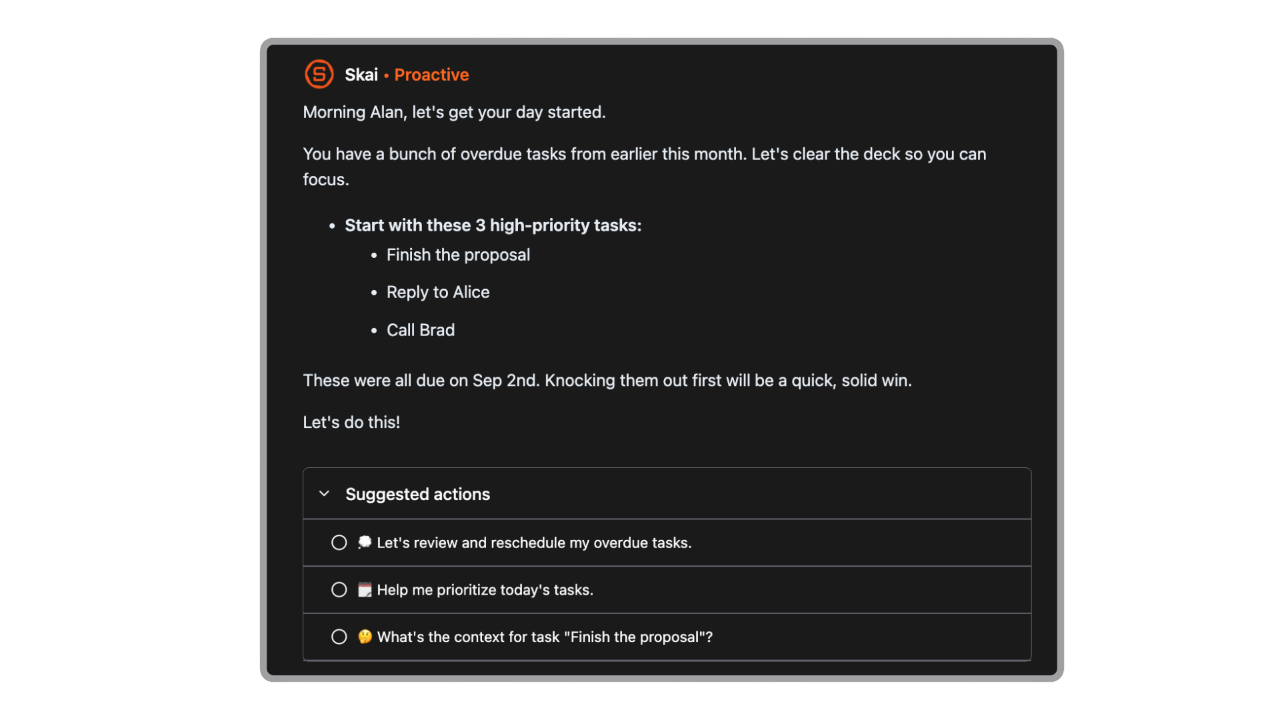
- Starting the day with a plan, not a decision pile. Each morning, Saner looks across your inbox, notes, and calendar and suggests what to focus on.
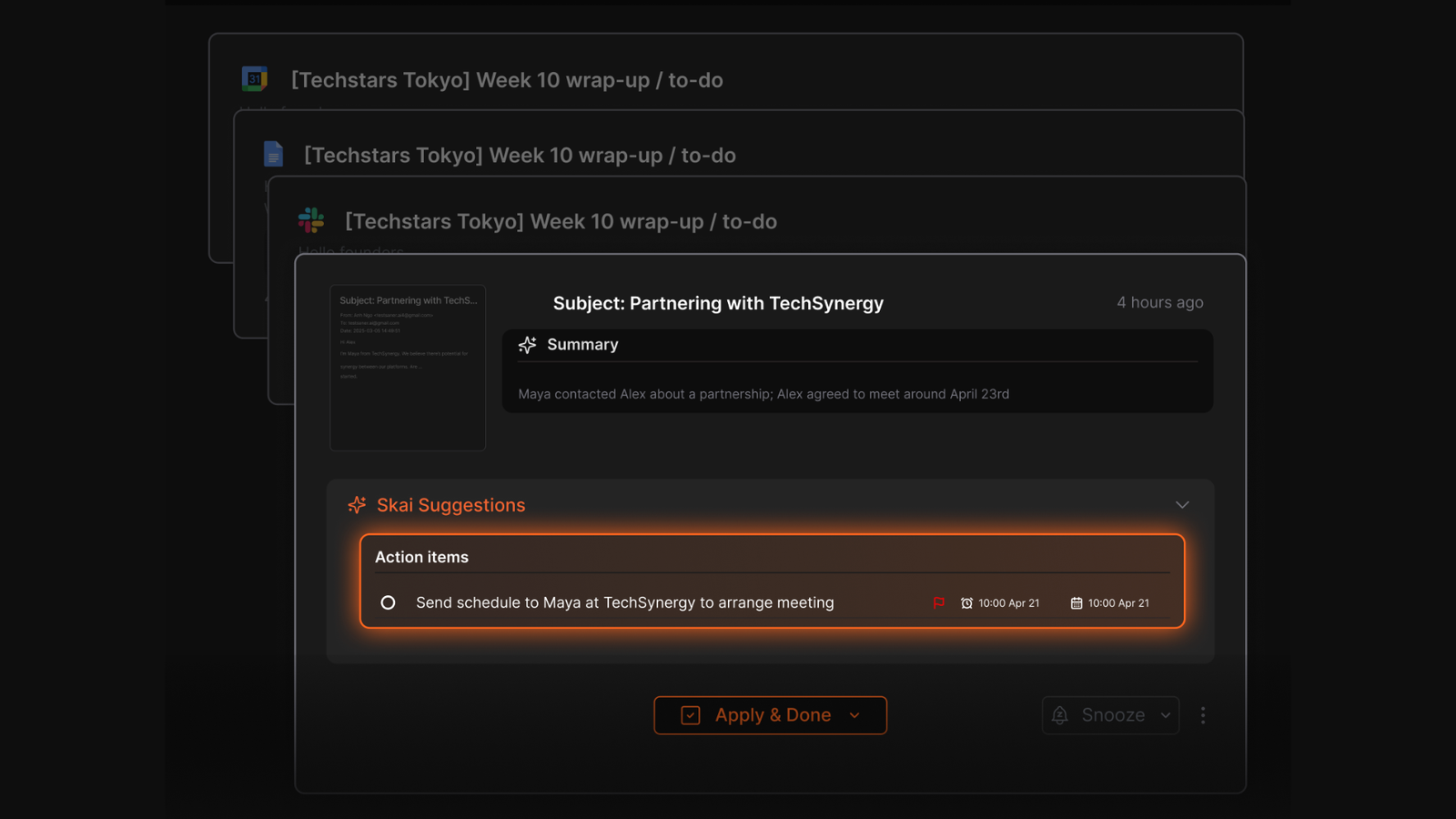
- Lowering the inbox wall. Saner organizes your synced Gmail, suggests next steps, and turns emails into tasks and reminders you can confirm in one click.
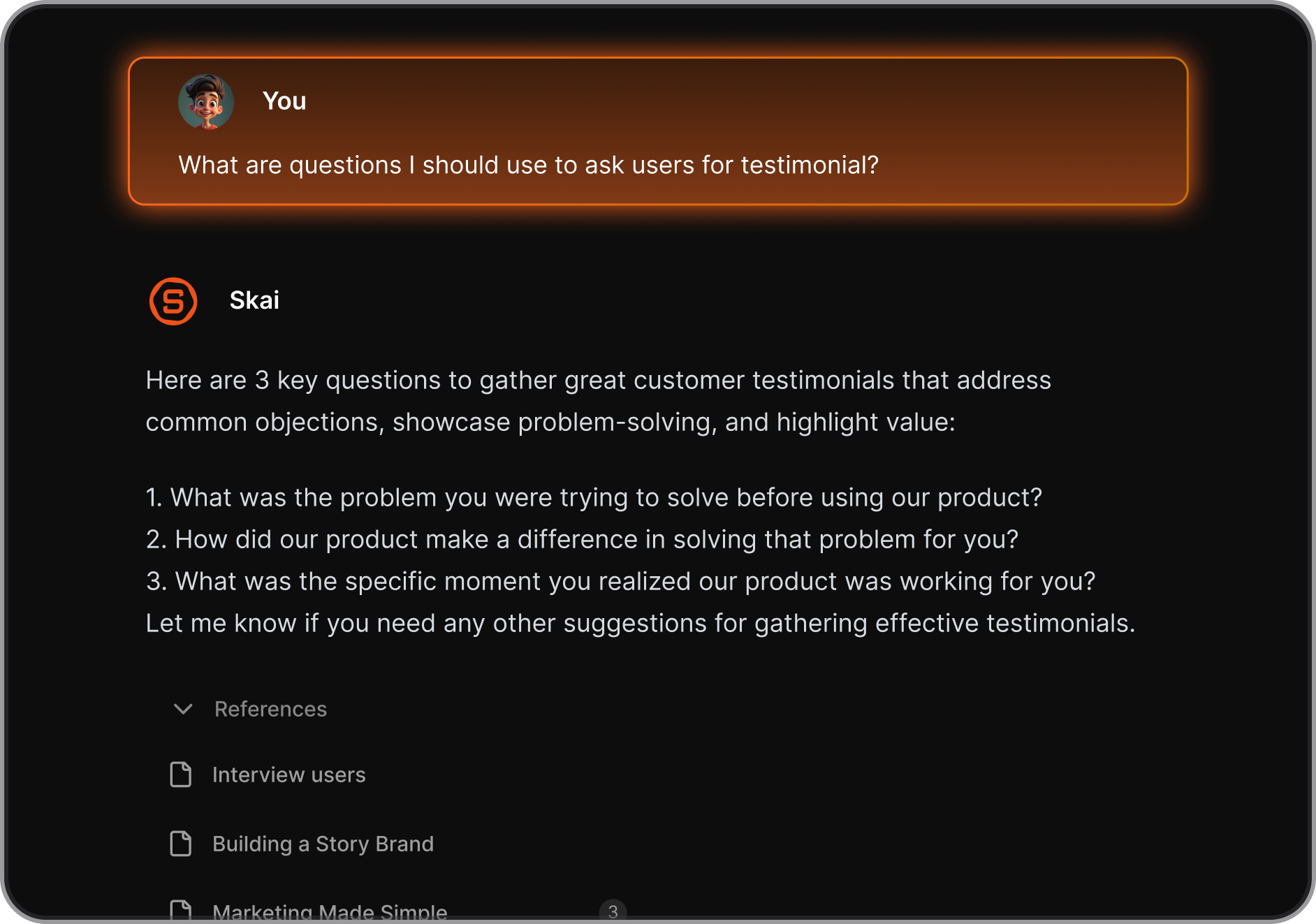
- A trigger journal you won't abandon. Instead of keeping a separate mood journal, jot a quick note when something sets you off. Later, ask Saner's assistant something like "what kept frustrating me at work this month?"
When to talk to a professional
Self-help strategies are a good start, but it's worth reaching out to a doctor or therapist if:
- Your reactions are intense most days, or take a long time to settle.
- They're causing repeated conflict with a partner, family, friends, or coworkers.
- You're acting on impulse more often, like outbursts, risky spending, or other risk-taking.
- You carry constant shame, frustration, or low self-esteem.
- You've tried breathing, journaling, and routines, and they aren't making a dent.
If you ever have thoughts of hurting yourself, contact your local emergency number or a crisis line right away.
FAQ about ADHD and emotional dysregulation
Is emotional dysregulation a symptom of ADHD?
Not officially. It isn't part of the DSM-5 diagnostic criteria, but research shows it's common across the lifespan and a major source of impairment in people with ADHD. Many clinicians consider it a core part of how ADHD shows up in daily life.
Does emotional dysregulation get better with age?
It can. Adults whose ADHD symptoms persisted showed higher rates of emotional dysregulation than adults whose childhood ADHD had eased, which suggests the two tend to improve together.
Is rejection sensitive dysphoria the same thing?
RSD describes one specific piece: intense pain around criticism or rejection. It's a popular term rather than a formal diagnosis, and it overlaps with the broader pattern of emotional dysregulation.
Can ADHD medication help with emotions?
For many people, yes. Treating core ADHD symptoms often improves emotional regulation too, though responses vary and some people feel more irritable on certain medications. Your prescriber is the right person to help sort that out.
Can an app help with ADHD emotional dysregulation?
An app can't treat it, but it can reduce the everyday stressors that make reactions bigger, like forgotten tasks, inbox avoidance, and decision overload. Think of it as lowering the water level, not fixing the dam.
The bottom line
If small things keep knocking you sideways, it's not because you're dramatic or weak. Emotional dysregulation is a well-documented part of ADHD for a large share of adults, and it has real roots in how the brain handles alarms and brakes. You can work with it: name what you feel, notice your patterns, take a few seconds before you respond, protect your sleep and routines, and get professional help when it's too much to carry alone.
And if a big part of your stress comes from the stuff you're trying to hold in your head (the unanswered emails, the follow-ups, the half-remembered promises), let something else hold it. Try Saner.AI for free. The free plan includes task reminders, calendar sync, and note search, no credit card needed. When your brain has less to carry, there's more room to stay steady when that five-word comment shows up.
Stay on top of your work and life effortlessly
👉 You may like this post on how to improve Productivity for adults with ADHD
Sources
- Shaw P, Stringaris A, Nigg J, Leibenluft E. Emotion dysregulation in attention deficit hyperactivity disorder. American Journal of Psychiatry, 2014.
- Beheshti A, et al. Emotion dysregulation in adults with ADHD: a meta-analysis. BMC Psychiatry, 2020.
- Staley BS, et al. ADHD diagnosis, treatment, and telehealth use in adults. CDC MMWR, 2024.
- Lieberman MD, et al. Putting feelings into words: affect labeling disrupts amygdala activity. Psychological Science, 2007.
- Halmøy A, et al. DBT-based group treatment versus treatment as usual for adults with ADHD: a multicenter RCT. BMC Psychiatry, 2022.
- Cleveland Clinic. Why emotional dysregulation can happen with ADHD. 2025.
- Cleveland Clinic. Rejection sensitive dysphoria (RSD).
This article is for general information and isn't a substitute for advice from a qualified healthcare professional.