Untreated ADHD in Adults? What should you do about it? [2026 Guide]


Untreated ADHD in adults refers to Attention-Deficit/Hyperactivity Disorder that persists into adulthood but is never recognized, diagnosed, or supported. Many adults live with ADHD symptoms for years without realizing there is a neurological reason behind their struggles with focus, organization, emotions, or consistency.
Adult ADHD often goes unnoticed because it doesn’t always look like the hyperactive behavior seen in children. Instead, it shows up as chronic overwhelm, missed deadlines, emotional exhaustion, or the feeling of working twice as hard for half the results. People may label themselves as lazy, disorganized, or “bad at adulting,” without knowing ADHD is involved.
Left untreated, ADHD can quietly affect long-term career growth, relationships, self-esteem, and mental health. Understanding ADHD in adulthood is not about assigning blame. It’s about gaining clarity, self-compassion, and practical ways to reduce daily friction.
1. What Is ADHD in Adults?
ADHD, which stands for Attention-Deficit/Hyperactivity Disorder, is a neurodevelopmental condition that affects attention regulation, impulse control, and executive functioning across the lifespan. It does not disappear after childhood, although its outward symptoms often change with age.
In adults, ADHD tends to look less like physical hyperactivity and more like internal restlessness, mental overload, difficulty prioritizing, or emotional volatility. Many adults develop coping strategies - overworking, perfectionism, constant note-taking that mask ADHD symptoms but come at a high cost.
Adult ADHD is often misunderstood because:
- Symptoms overlap with stress, anxiety, or burnout
- High-achieving individuals may still struggle silently
- Social expectations increase while internal capacity stays inconsistent
The core issue is not intelligence or effort. It’s how the brain manages attention, time, and energy.
2. Common Signs of Untreated ADHD in Adults
| 🧩 Area | ⚠️ Untreated ADHD | ✅ Managed ADHD |
|---|---|---|
| 🎯 Focus | Scattered, reactive | Directed with support |
| 🔋 Energy management | Boom-and-bust cycles | More predictable pacing |
| 💬 Emotional regulation | Heightened sensitivity | Improved awareness |
| 💼 Work consistency | Inconsistent output | Stabilized performance |
| 🧠 Mental load | Constant internal pressure | Externalized systems |
Untreated ADHD affects multiple areas of life. Symptoms often cluster rather than appear in isolation.
🧠 Cognitive Symptoms
- Difficulty sustaining attention even on important tasks
- Frequent mental fog or racing thoughts
- Poor working memory, forgetting instructions or conversations
- Trouble starting tasks, especially without urgency
💬 Emotional Symptoms
- Emotional reactivity or mood swings
- Rejection sensitivity, taking feedback personally
- Chronic frustration despite high effort
- Low tolerance for boredom
💼 Work & Productivity Symptoms
- Inconsistent performance (strong bursts, then crashes)
- Missed deadlines despite good intentions
- Overworking to compensate for disorganization
- Difficulty prioritizing or estimating time
🏠 Daily Life & Relationship Symptoms
- Messy living spaces, despite caring deeply
- Forgetting appointments or commitments
- Relationship tension from perceived unreliability
- Feeling “behind” peers in life milestones
What Happens When ADHD Goes Untreated Long-Term?
Untreated ADHD doesn’t mean constant crisis, but it creates ongoing friction that accumulates over time.
- Burnout and chronic overwhelm from compensating nonstop
- Career stagnation despite skill and intelligence
- Anxiety and depression, often secondary to ADHD
- Emotional dysregulation, leading to conflict or withdrawal
- Eroded self-esteem, shaped by repeated “failure” narratives
The problem isn’t a lack of capability. It’s a prolonged mismatch between brain wiring and life demands, without adequate support.
3. Why Many Adults Never Get Diagnosed

Many adults with ADHD are missed by traditional diagnostic pathways.
A. Lack of awareness
One major issue is a lack of awareness. Many people, including those with ADHD and healthcare providers, don't fully understand how ADHD can affect adult behavior. This can lead to missed diagnoses and untreated symptoms.
B. Misdiagnosed
Some clinicians believe that hyperactivity must be present to diagnose ADHD, which can lead them to overlook people who show mostly inattentive symptoms. This is especially common in women, who often present these symptoms and may be underdiagnosed. Additionally, adults with ADHD sometimes hyper-focus on tasks they enjoy, which can mislead clinicians into thinking they don't have concentration problems.
Adults with ADHD may also develop coping mechanisms or self-medicate. They might choose fast-paced or varied careers, or rely on partners to help with organization. Some might use caffeine, alcohol, or drugs like cannabis, cocaine, or amphetamines to manage their symptoms without realizing they have ADHD.
Symptoms of ADHD, such as poor concentration and impulsivity, overlap with those of other conditions like depression, anxiety, bipolar disorder, and borderline personality disorder. This overlap can lead to incorrect diagnoses.
C. Decided not to get treatment
A. Masking & High-Functioning Coping
- People learn to hide struggles through over-preparation, people-pleasing, or working excessive hours.
- Stigma is another barrier. Many adults suspect they have ADHD but avoid seeking an official diagnosis due to fear of being labeled or concerns about medication.
B. Mislabeling
ADHD symptoms are often reframed as:
- Laziness
- Carelessness
- Lack of discipline
C. Gender Differences
Women and girls are more likely to present with inattentive symptoms and internalized stress, leading to underdiagnosis.
D. Workplace & Cultural Bias
Fast-paced, productivity-driven cultures reward short-term output while ignoring sustainability and mental load.
Lastly, poor access to healthcare and a lack of adequate health insurance can prevent people from getting the treatment they need. High healthcare costs further complicate the issue, leaving many without the necessary support.
Popular Treatment
Getting diagnosed with ADHD as an adult often brings a sense of relief. It helps them understand that many of their challenges stem from how their brain works, rather than being personal failings. This realization can be very empowering and comforting.
1. Medications
For treating ADHD, doctors often prescribe stimulant medications, which are effective for both adults and children. There are also non-stimulant options that work well, though they take a bit longer to show results. While medications can help, they can also have side effects.
2. Psychotherapy
Therapy can be incredibly beneficial for adults with ADHD. Different types of psychotherapy can teach new strategies to manage ADHD traits. Cognitive Behavioral Therapy (CBT) is particularly useful because it helps change negative thinking patterns, making it easier to cope with daily challenges. Therapy can also address symptoms of other conditions that might occur alongside ADHD. Additionally, couples or family therapy can improve relationships by helping everyone understand and support the person with ADHD better.
Non-medication methods
4 Tools That Can Help Adults With ADHD
Managing ADHD isn't just about medication. Creating a supportive environment, using task management techniques, and utilizing ADHD apps can make a big difference. These methods help structure daily life in a way that suits the unique needs of someone with ADHD.
Productivity tools act as external scaffolding, helping offload memory, planning, and prioritization. They support consistency, not willpower.
🧰 Quick Overview: ADHD-Friendly Tools at a Glance
| 🛠️ Tool | 🧠 What it helps with | ⭐ Best used when | 🧩 ADHD-friendly reason |
|---|---|---|---|
| Saner.AI | Capturing thoughts, turning notes into tasks, daily planning | Your ideas and to-dos feel scattered or overwhelming | Reduces mental load by letting you capture first, organize later |
| Forest | Staying focused and avoiding distractions | You struggle to start or stay on one task | Uses short focus sessions and visual commitment |
| Google Calendar | Remembering appointments, deadlines, routines | You forget when things are happening | Externalizes time and reduces time blindness |
| Habitica | Building habits and daily consistency | Routines feel boring or hard to maintain | Gamification provides immediate motivation and accountability |
1. Personal Task Management
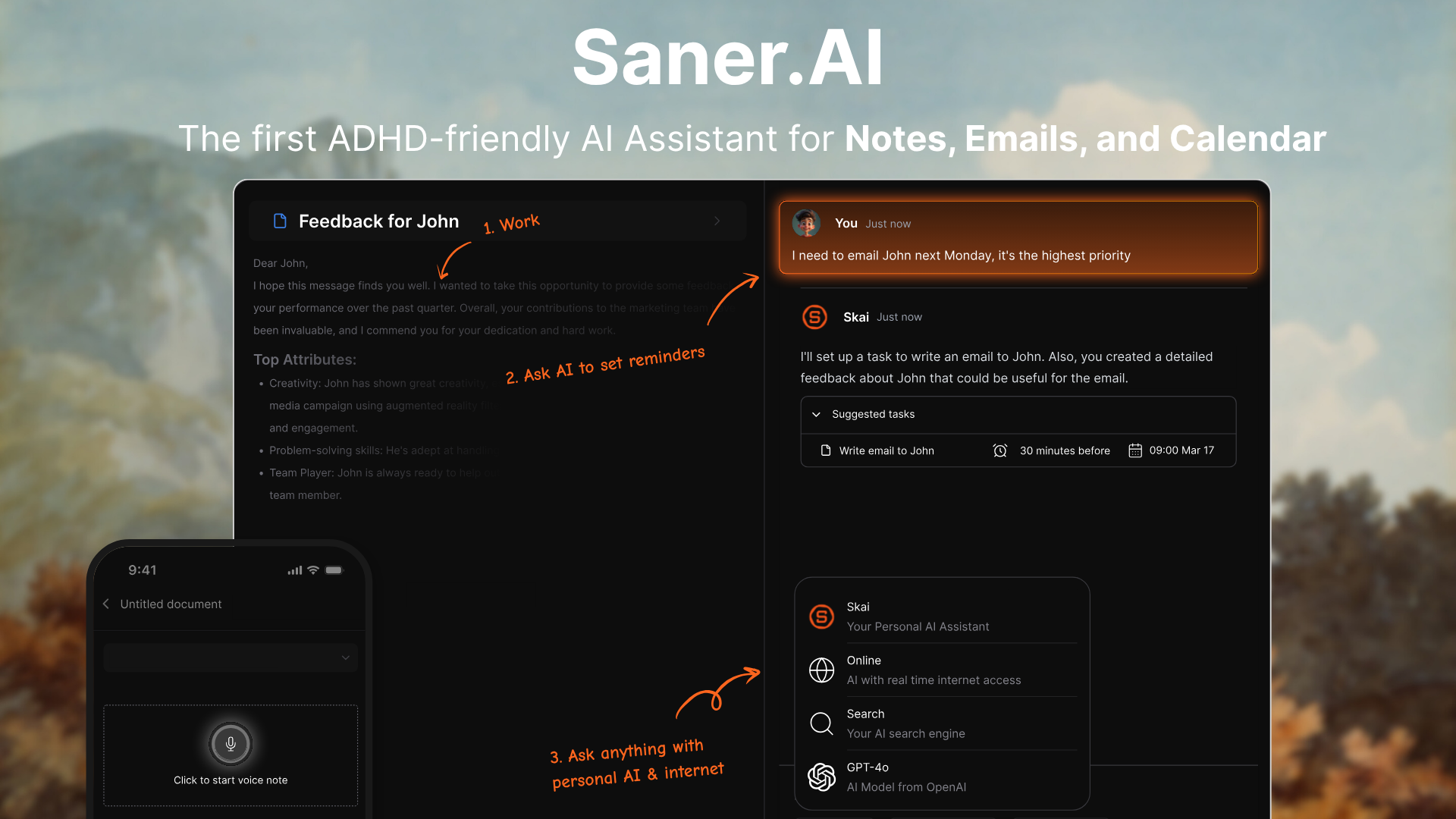
Saner.AI is an AI-assisted personal task and planning tool designed for fast thought capture and low-friction organization. It is especially suited for adults with ADHD who struggle with holding plans in their heads or switching between multiple productivity tools.
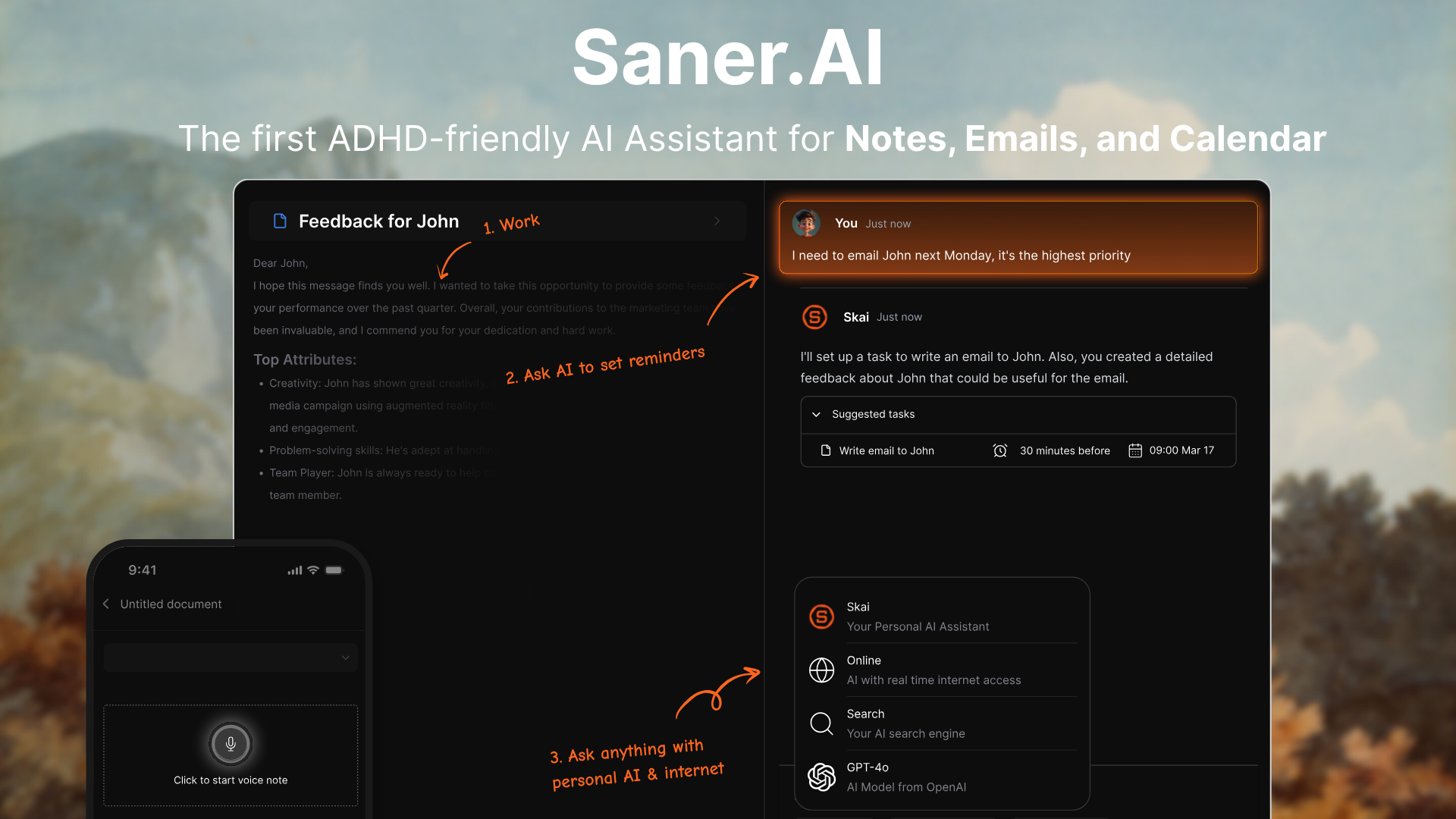
Saner.AI functions as a thinking inbox + daily planning assistant. You write, type, or paste anything, such as tasks, ideas, reminders, notes, worries, and the system helps turn that raw input into structured, actionable items.
Key features
- Instant brain-dump capture: Write freely without deciding where things belong.
- Note → task conversion: Long notes, meeting summaries, or brain dumps can be turned into clear, concrete tasks.
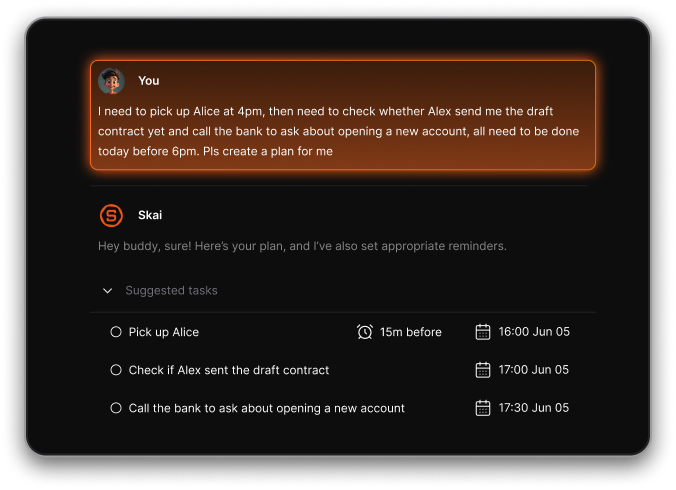
- AI-assisted daily planning: Suggests a realistic plan based on context and workload. The system helps surface what matters today, reducing the need to manually prioritize every morning.
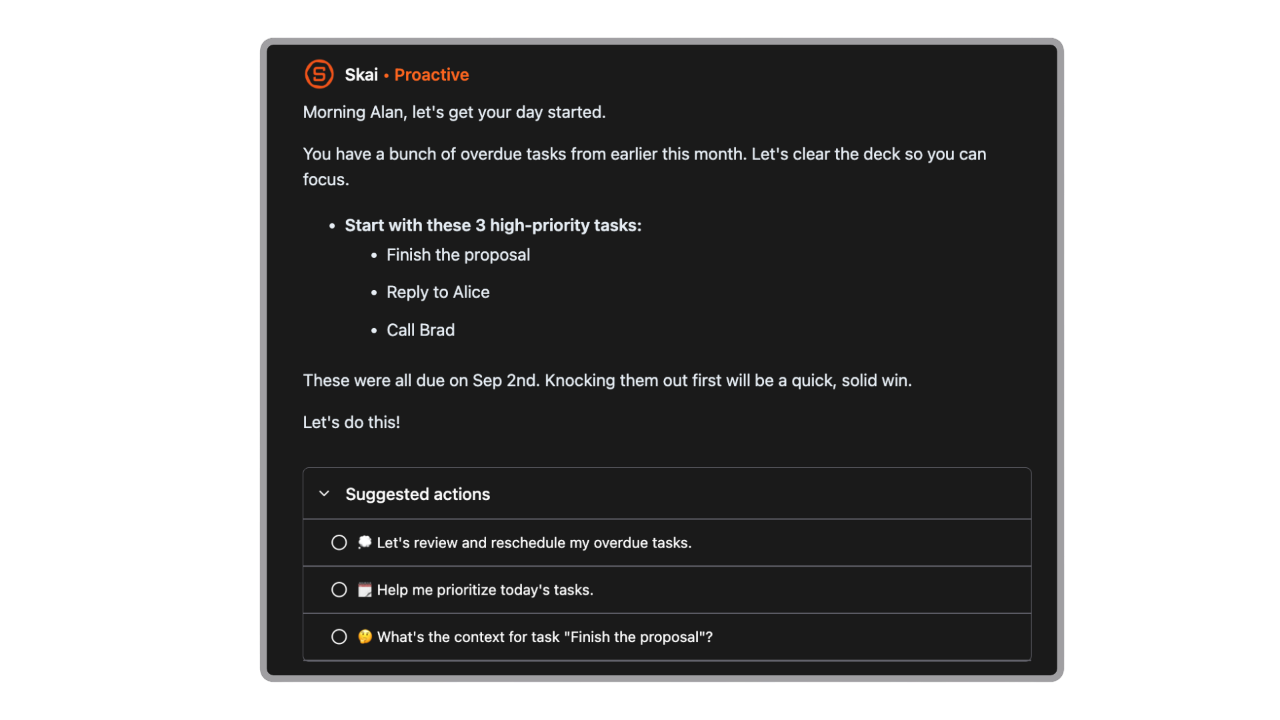
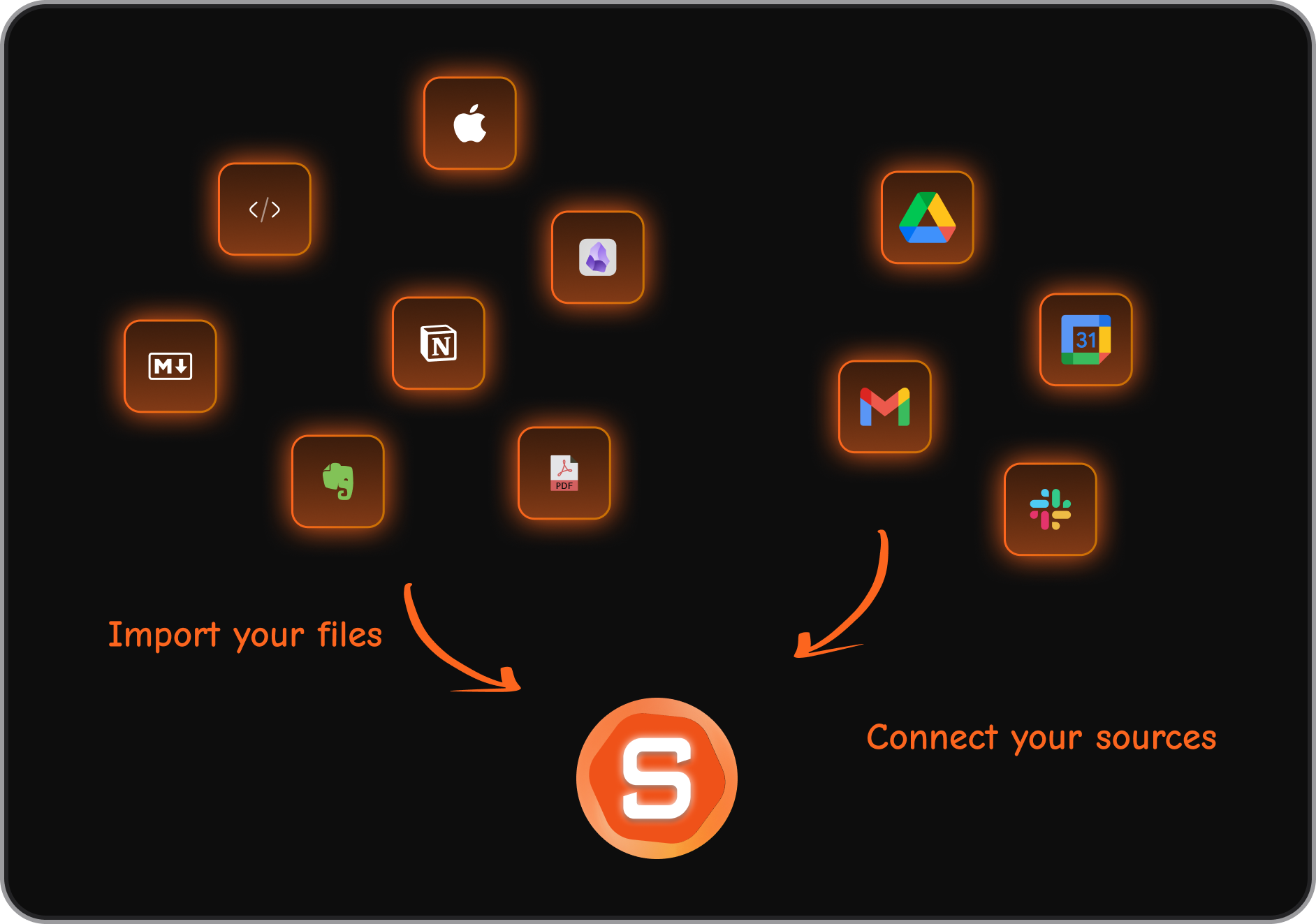
- Unified workspace: Tasks, notes, and plans live in one place instead of scattered across apps.
Why does it work well for ADHD
Adults with ADHD often struggle not because they lack motivation, but because their brains must constantly decide what to do next. Saner.AI reduces this cognitive burden by:
- Externalizing working memory (nothing needs to stay “in your head”)
- Reducing decision fatigue around prioritization
- Allowing messy input first, structure later
- Supporting consistency even on low-energy days
Rather than demanding discipline upfront, the tool adapts to how ADHD brains naturally think, which is nonlinear, fast, and context-heavy.
Saner.AI is particularly helpful when:
- You have many ideas, but struggle to turn them into action
- Tasks feel scattered across notes, chats, and mental reminders
- Planning your day feels overwhelming or mentally exhausting
- You want structure without rigid systems
Important perspective
Saner.AI does not treat or cure ADHD. It functions as an external scaffolding - a support system that reduces mental load, improves follow-through, and makes daily planning more manageable. For many adults with ADHD, this kind of tool can significantly lower stress and increase a sense of control over work and life.
Stay on top of your work and life
2. Pomodoro Timers
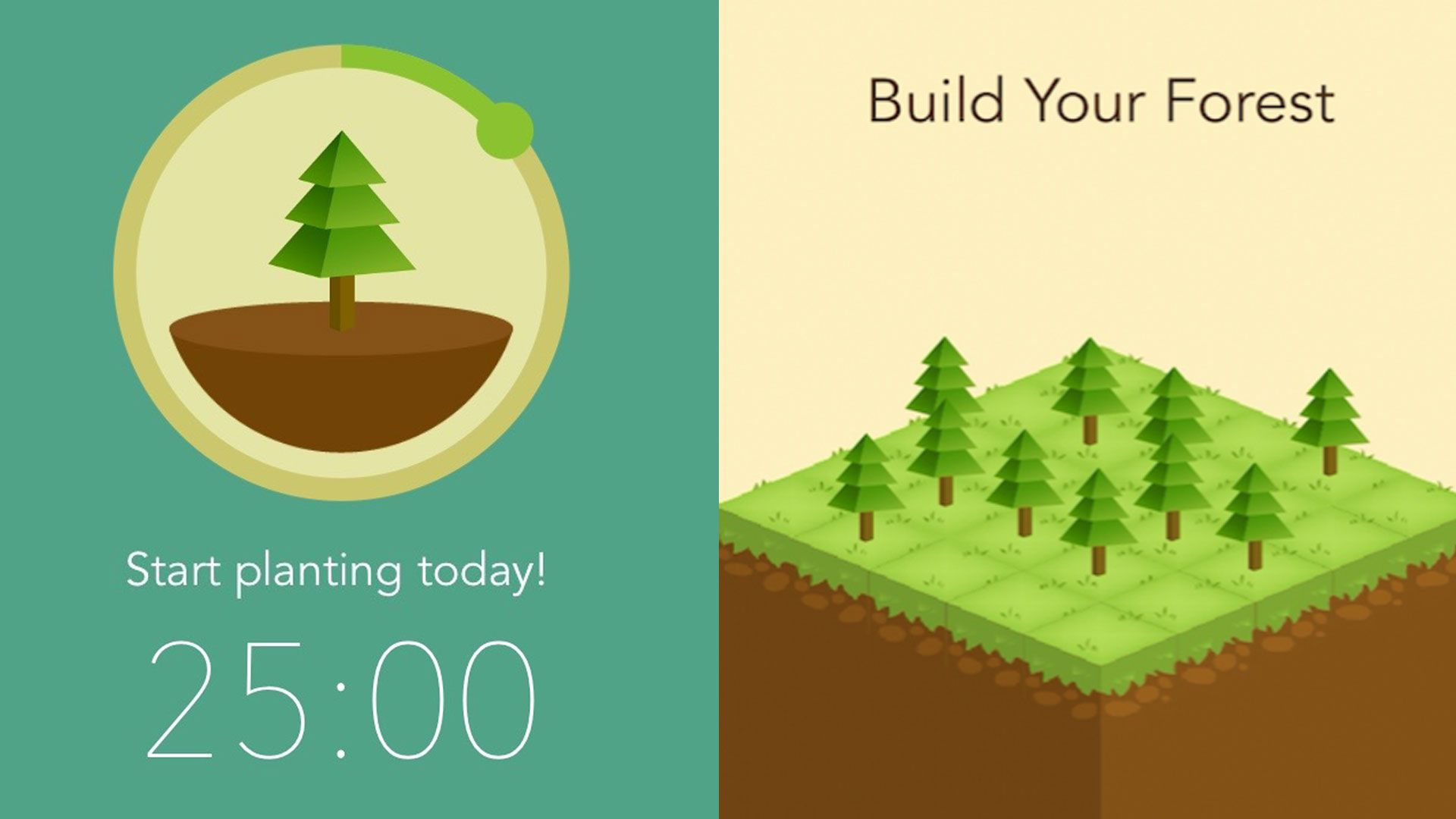
Forest functions as a distraction-reduction and focus commitment tool. When you start a focus session, you plant a virtual tree. As long as you stay focused and avoid using distracting apps, the tree grows. If you leave the app or break focus, the tree withers.
For adults with ADHD, Forest works less as a strict productivity system and more as a behavioral anchor - a small, clear commitment that makes focus feel concrete and emotionally engaging.
Key features
- Pomodoro-style focus sessions: Customizable focus and break intervals (e.g. 25/5, 30/10).
- Visual progress tracking: Each completed session grows a tree, building a virtual forest over time.
- Distraction blocking: Option to block selected apps during focus periods.
- Light gamification: Progress feels rewarding without being overwhelming.
- Cross-device support: Works on mobile and browser extensions.
Why does it work well for ADHD
ADHD brains often struggle with task initiation and resisting immediate distractions. Forest helps by:
- Lowering the barrier to starting (“just plant one tree”)
- Creating a visible, emotional consequence for breaking focus
- Turning abstract time into something tangible and visual
- Encouraging short, achievable focus commitments instead of long sessions
The app leverages external cues rather than internal self-control, which is particularly helpful when attention fluctuates.
When it’s most useful
Forest is especially effective when:
- You procrastinate due to task avoidance
- You reach for your phone impulsively while working
- You need short focus bursts rather than long deep-work blocks
- You want a non-intimidating way to rebuild focus habits
It works best for single-task focus, studying, writing, reading, or any activity where distractions are the main challenge.
Important perspective
Forest does not treat ADHD or increase motivation directly. Its value lies in supporting attention regulation through simple structure, visual feedback, and reduced distraction. For many adults with ADHD, this gentle approach makes focus feel safer and more achievable, especially on low-energy days.
3. Calendar-Based Task Planners
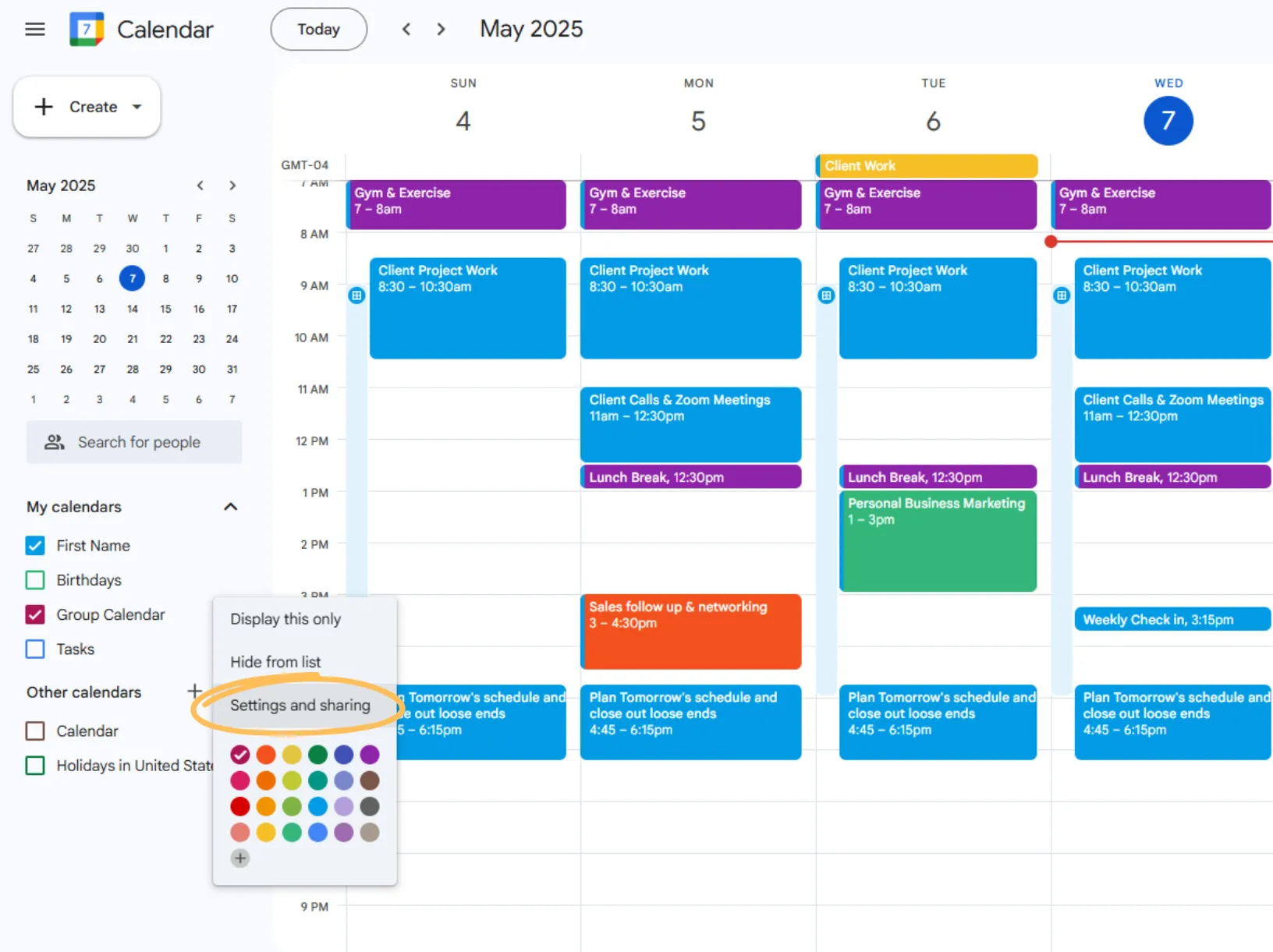
Google Calendar functions as an external memory system for time. Events, tasks, reminders, and routines are placed onto a timeline instead of living in your head. This is especially important for ADHD brains, which often struggle with time blindness - difficulty sensing how long things take or remembering what’s coming next.
Unlike task lists that grow endlessly, Google Calendar forces decisions into specific moments, helping users understand what their day can realistically hold.
Key features
- Meetings, deadlines, and personal commitments are anchored to specific hours and dates.
- Alerts before events reduce reliance on working memory.
- Useful for routines, weekly check-ins, medication reminders, or self-care blocks.
- Separate work, personal, and focus calendars to reduce mental clutter.
- Consistent access on phone, tablet, and desktop.
Why it works well for ADHD
Adults with ADHD often struggle not with forgetting what they need to do, but with when. Google Calendar helps by:
- Making future obligations visible well in advance
- Reducing last-minute stress from forgotten commitments
- Supporting transitions between tasks and contexts
- Anchoring intentions to time instead of vague plans
By externalizing time, it reduces the constant background anxiety of “Am I forgetting something?”
When it’s most useful
Many adults with ADHD use Google Calendar more effectively when they:
- Block time for tasks (not just meetings)
- Add buffer time between events
- Color-code calendars by category (work, personal, focus)
- Schedule reminders earlier than necessary
These small adjustments help the calendar function as a support system, not a source of pressure.
Important perspective
Google Calendar does not increase motivation or focus by itself. Its strength is reducing uncertainty and cognitive load over time. For adults with ADHD, this clarity can significantly lower stress, improve reliability, and create a more predictable daily rhythm.
4. Reminder & Habit Support Tools
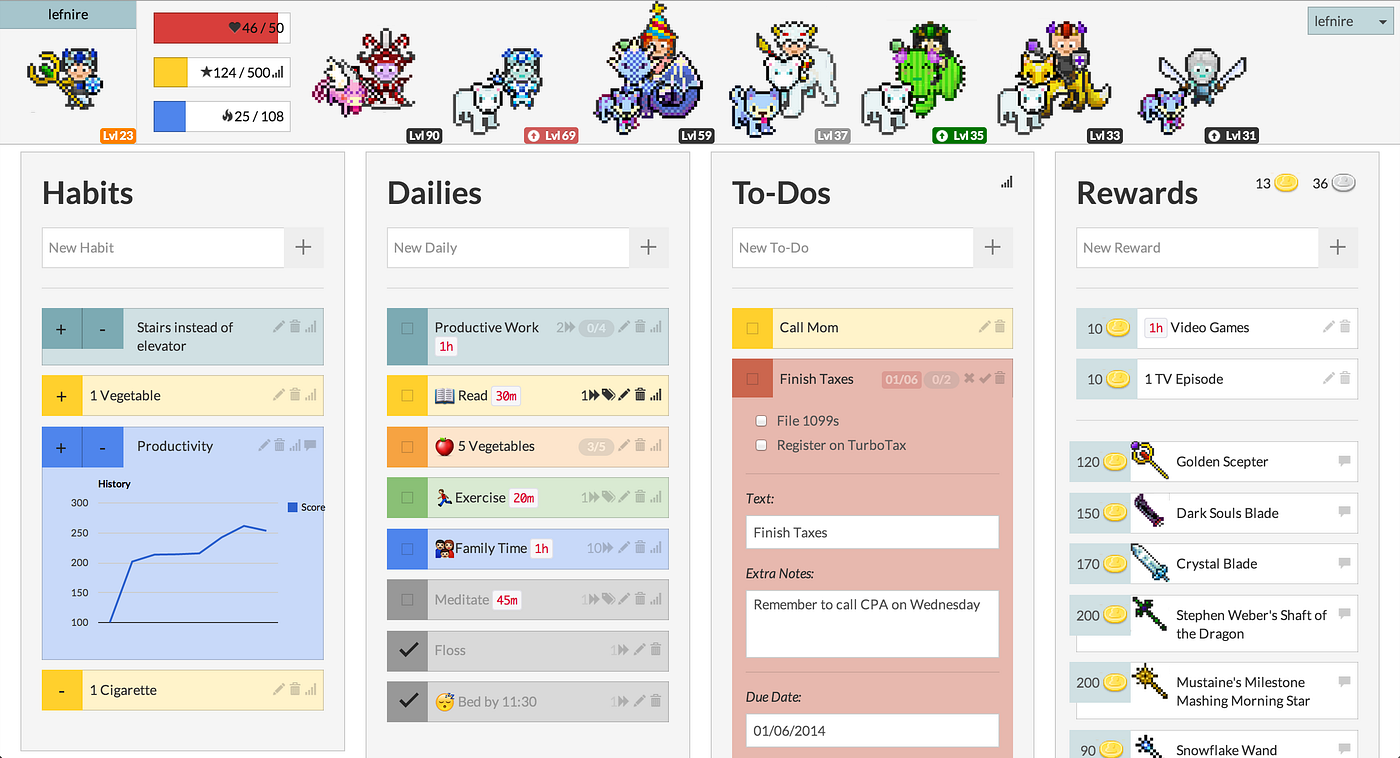
Habitica is a habit and task management app that turns daily responsibilities into a role-playing game (RPG). You create an avatar and earn rewards (experience points, gold, gear) by completing habits, daily routines, and tasks. Missing tasks has consequences, such as losing health points. This creates a clear feedback loop between action and outcome.
For adults with ADHD, Habitica helps translate abstract goals (“build habits,” “be consistent”) into immediate, visible feedback, which ADHD brains respond to more strongly than delayed rewards.
Key features
- Three task types:
- Habits (flexible, repeatable behaviors like “drink water”)
- Dailies (routines you want to do every day or on a schedule)
- To-dos (one-off tasks)
- Gamified rewards system: Completing tasks earns XP, gold, and virtual items.
- Loss-based accountability: Skipping dailies results in health loss, increasing follow-through.
- Social accountability: Join parties, complete group quests, and support others.
- Custom rewards: Users can define their own real-life rewards.
Why it works well for ADHD
Adults with ADHD often struggle with:
- Delayed gratification
- Boring or repetitive routines
- Maintaining habits after initial motivation fades
Habitica helps by:
- Making progress immediate and visible
- Adding novelty and emotional engagement to routine tasks
- Using external consequences instead of self-judgment
- Turning “shoulds” into a game-like challenge
For many ADHD users, the game layer provides just enough stimulation to stay engaged without needing constant willpower.
When it’s most useful
Habitica is especially helpful when:
- You struggle to maintain daily routines
- Habits feel boring or meaningless
- You respond well to games, points, or challenges
- You benefit from social or group accountability
It works particularly well for self-care habits, household routines, and consistency-based goals rather than complex project planning.
Important perspective
Habitica does not treat ADHD or build habits automatically. Its strength lies in creating external motivation and accountability, where internal motivation is unreliable. For adults with ADHD, this can reduce shame around inconsistency and replace it with a more playful, forgiving structure.
When to Seek Professional Help
Consider seeking professional support if:
- Symptoms significantly impair work or relationships
- Burnout, anxiety, or depression persist despite effort
- Coping strategies feel unsustainable
Professionals involved may include psychologists, psychiatrists, or ADHD-trained clinicians. Adult diagnosis is valid, common, and increasingly recognized.
Summary: Untreated ADHD in adults - What you should do?
There’s no single “best solution” for untreated ADHD in adults, because ADHD doesn’t look the same for everyone.
Some adults struggle most with forgetting tasks and losing track of priorities. Others feel overwhelmed by time blindness, constant context switching, or a growing mental load that never shuts off. That’s why non-medication strategies work best when they match how your brain actually operates, not how productivity should look on paper.
For many adults with ADHD, tools can play a powerful supporting role:
- Saner.AI helps capture scattered thoughts instantly and turn them into clear, manageable tasks - reducing cognitive overload and decision fatigue.
- Google Calendar supports calendar-based planning and time blocking for those who benefit from visual structure.
- Forest uses Pomodoro-style focus sessions to limit distractions.
- Habitica adds motivation through gamification for repetitive or routine tasks.
What matters most isn’t the number of tools. It’s whether they lower friction, reduce overwhelm, and help you stay focused without burning out.
Here’s what we recommend if you’re managing untreated ADHD as an adult:
- ✨ Try 2–3 tools that support different ADHD challenges (planning, focus, task capture)
- 🧪 Test them in real life — busy workdays, meetings, personal admin
- 🧠 Track mental clarity and stress reduction, not just productivity metrics
And while tools like Saner.AI can significantly support daily functioning, they are not a replacement for professional care. If ADHD symptoms are interfering with your work, relationships, or well-being, seeking guidance from a qualified healthcare professional is always recommended.
👇 Want a low-friction place to start?
Begin with Saner.AI if you’re looking for a calm, ADHD-friendly personal task manager that adapts to how your mind actually works, not the other way around.
Stay on top of your work and life
AQs: Untreated ADHD in Adults
1. What is untreated ADHD in adults?
Untreated ADHD in adults refers to attention-deficit/hyperactivity disorder that was never diagnosed or managed through therapy, medication, or structured coping systems. Many adults assume their struggles are personality flaws—when they’re actually symptoms like poor focus, emotional overwhelm, chronic procrastination, or mental fatigue.
2. What are common signs of untreated ADHD in adults?
Adults with untreated ADHD often experience:
- Constant mental clutter or racing thoughts
- Difficulty finishing tasks, even important ones
- Poor time awareness (time blindness)
- Forgetfulness and missed follow-ups
- Emotional dysregulation and burnout
These symptoms tend to compound over time without support.
3. How does untreated ADHD affect daily life?
Untreated ADHD in adults can quietly impact work performance, relationships, finances, and self-esteem. Many people stay busy all day but still feel unproductive, overwhelmed, or behind - because effort isn’t the issue, structure is.
4. Can adults have ADHD without knowing it?
Yes. Many adults, especially women and high-performing professionals, are diagnosed late or not at all. Untreated ADHD often hides behind labels like “disorganized,” “lazy,” or “overthinker,” making it easy to miss.
5. What happens if adult ADHD goes untreated long-term?
Over time, untreated ADHD in adults can lead to chronic stress, anxiety, burnout, and reduced career growth. The issue isn’t a lack of intelligence or motivation. It’s the absence of systems that support how an ADHD brain works.
6. Is medication the only option for adult ADHD?
No. While medication helps some people, many adults manage untreated ADHD symptoms using non-medical strategies such as behavioral tools, planning systems, and cognitive supports. The key is reducing mental load, not forcing more discipline.
7. How can productivity tools help with untreated ADHD?
The right tools act as an external structure for the brain. They help capture thoughts, reduce memory strain, and guide attention - especially when focus and prioritization are difficult.
8. What is the best task management approach for adults with untreated ADHD?
Low-friction systems work best. Tools that let you quickly dump thoughts, auto-organize tasks, and surface priorities tend to outperform rigid to-do lists. This is where tools like Saner.AI stand out.
9. How does Saner.AI help adults with untreated ADHD?
Saner.AI helps by:
- Turning messy thoughts into clear, actionable tasks
- Reducing context switching between apps
- Suggesting daily priorities without manual planning
- Retrieving notes and reminders through natural language
It supports follow-through without requiring perfect organization habits.
10. Are Pomodoro tools helpful for untreated ADHD?
Yes, for short bursts of focus. Tools like Forest can help limit distractions and create momentum, especially when motivation is low. They work best when paired with a broader planning system.
11. Can calendar planning help adults with untreated ADHD?
Calendar-based planning can be effective when schedules are predictable. Tools like Google Calendar help visualize time, but they can feel rigid if plans change often, which is common with ADHD.
12. Is gamification useful for managing ADHD symptoms?
For some people, yes. Apps like Habitica add motivation through rewards and streaks. However, novelty can wear off, so sustainability matters more than excitement.
13. What makes a tool ADHD-friendly for adults?
ADHD-friendly tools usually:
- Require minimal setup
- Allow natural language input
- Reduce decision fatigue
- Surface the right task at the right time
They work with attention patterns instead of fighting them.
14. Can AI tools replace therapy or diagnosis for ADHD?
No. AI tools and productivity systems can support daily functioning, but they don’t replace professional diagnosis or mental health care. For adults struggling with untreated ADHD, tools are a complement - not a cure.
15. What’s the first step if I suspect I have untreated ADHD?
Start by observing patterns - where focus breaks down, where overwhelm builds. If possible, seek professional guidance. In parallel, using supportive systems like Saner.AI can immediately reduce friction and help you regain clarity while you explore longer-term options.
Stay on top of your work and life